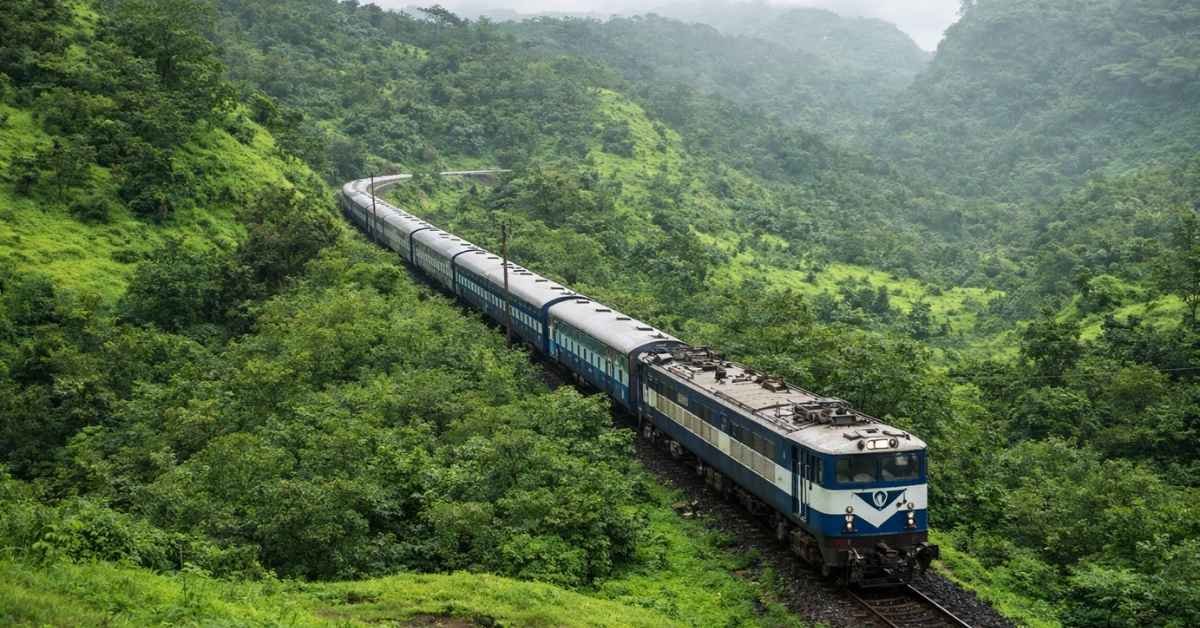
The best time to visit Araku Valley is between September and February. This is when the weather stays cool and pleasant, between 10°C and 25°C, the coffee plantations are ready for harvest, and the waterfalls still have enough water to look beautiful after the monsoon.
The first time I took the winding ghat road to Araku, I had no idea how much the month mattered. I went in the wrong season once, and the famous Vistadome train ride was barely worth it. The hills were dry, the air was hazy, and half the waterfalls had turned into trickles.
That one trip taught me something important. Araku is not a place you visit on a whim. Pick the wrong month, and you might miss the glass-roof train, find the falls dried up, or get stuck on slippery ghat roads.
So in this guide, I am sharing everything I have learned from my own trips, so you don’t make the same mistake.
Here is what we will cover:
- The best months to visit, season by season
- What the weather actually feels like each month
- The right time to catch the Vistadome train
- When the coffee harvest happens
- Tips for booking trains and stays in advance
The Verdict: When is the Best Time to Visit Araku?

If you only remember one table from this guide, make it this one.
| Season | Months | Temperature | Vibe |
| Peak Season | September to February | 10°C to 25°C | Cool, clear, and full of life. Best for sightseeing and the train ride |
| Shoulder/Monsoon | July to September | 18°C to 26°C | Lush and green, but ghat roads can get risky |
| Off-Season | March to June | 25°C to 35°C | Hot and dry. Fewer crowds, but not the best experience |
September to February is the golden window, and there is a simple reason for it. The temperature stays steady between 10°C and 25°C, so you are not sweating through your sightseeing or shivering on the train.
This is also when the air is at its clearest, the hills are green from the recent monsoon, and the famous coffee plantations are gearing up for harvest. Everything just feels alive.
Here is something most people don’t expect. Araku sits at an altitude of around 910 meters, which is almost 3,000 feet above sea level. This makes a huge difference.
When I drove up from Visakhapatnam, the humid coastal heat just melted away as we climbed higher. By the time we reached Araku, I needed a light jacket, even though Vizag was sticky and warm just a couple of hours away.
That altitude is the real secret behind Araku’s pleasant weather. It is not just another hill station claim, it is the actual reason the climate feels so different from the plains below.
Planning a Road Trip in India?
Stop guessing! Calculate your exact fuel cost for Petrol, Diesel, CNG, or EV trips instantly.
🚗 Calculate Fuel Cost NowWinter in Araku: Chilly Mornings and Coffee Blooms (Sept to Feb)

This is the season I always tell people to plan around. If you can only visit Araku once, make it now.
Weather & Temperature
Mornings can feel quite cold, with temperatures dropping close to 10°C, especially in December and January. You will need a jacket if you step out early.
By afternoon, things warm up nicely, often reaching a comfortable 20°C to 25°C. It is the kind of weather where you can walk around all day without feeling tired or sweaty.
I remember sipping hot tea on a misty December morning, watching the fog roll over the hills. That is Araku winter in one image.
Top Experiences
Winter is when Araku truly shows off. A few things you should not miss:
- Borra Caves: These limestone caves are far less humid in winter, which makes exploring inside much more comfortable. The crowds do pick up, so go early in the day.
- Coffee harvesting: Between November and January, the coffee plantations come alive with harvesting. You can see workers picking coffee cherries by hand, and the smell of fresh coffee fills the air.
- Dhimsa dance: This is the traditional tribal dance of Araku. Watching it performed around a campfire on a cold winter night is something I still remember clearly. It feels raw and real, not staged for tourists.
The Vistadome Train Alert
Here is something I wish someone had told me before my first winter trip.
The Vistadome coach on the Kirandul Express (Train No. 18551) is the star attraction for most visitors. It has a glass roof, so you get full views of the valley as the train winds through tunnels and bridges.
But in winter, everyone wants a seat on it. The tickets sell out 30 to 45 days in advance during peak season. I learned this the hard way once, when I tried booking just two weeks before my trip and found nothing available.
My advice is simple. The moment you decide on your travel dates, head straight to the official IRCTC website and book your Vistadome seats. Do not wait, especially if you are travelling between November and January.
Monsoon in Araku: Lush Greenery and Roaring Waterfalls (July to early Sept)
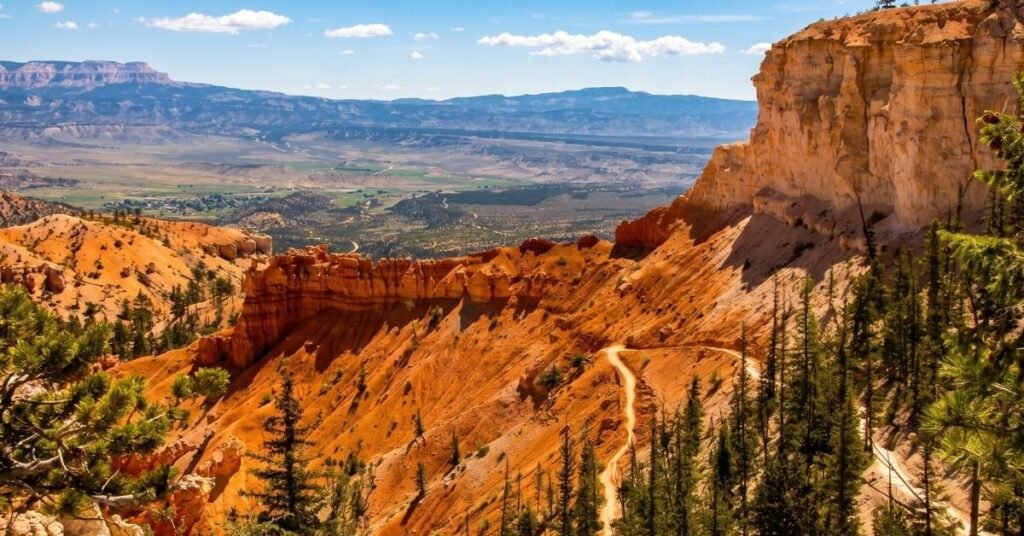
If you love nature at its wildest, monsoon season has its own charm. This is when Araku looks the most alive.
The Good
The rains turn the entire valley into a deep, rich green. Every hill, every tea bush, every coffee plant looks fresh and washed clean.
This is also when the waterfalls put on their best show. Chaparai Water Cascade and Katiki Waterfalls are at full force, with water gushing down so loudly you can hear it from a distance. If you have ever wanted to see Araku at its most dramatic, this is the time.
I have stood near Chaparai during monsoon, and honestly, pictures don’t do it justice. The sound, the mist, the sheer power of the water, it is a completely different experience from the calm winter visit.
The Risks
Now, here is the part you need to be careful about.
The ghat roads leading into Araku can become slippery during heavy rain. There is also a real chance of minor landslides, especially after continuous downpours. These roads twist and turn through hills, so visibility and grip both matter a lot.
This is not meant to scare you away. It just means you need to be smart about how you travel.
My honest advice is this. Either drive very carefully and avoid night travel, or better yet, hire an experienced local taxi driver from Visakhapatnam Railway Station who knows these roads well. They know exactly which stretches need extra caution and can read the weather better than any app.
Monsoon in Araku is beautiful, but it rewards travelers who plan ahead and respect the roads.
Summer in Araku: A Quiet, Budget-Friendly Escape (March to June)
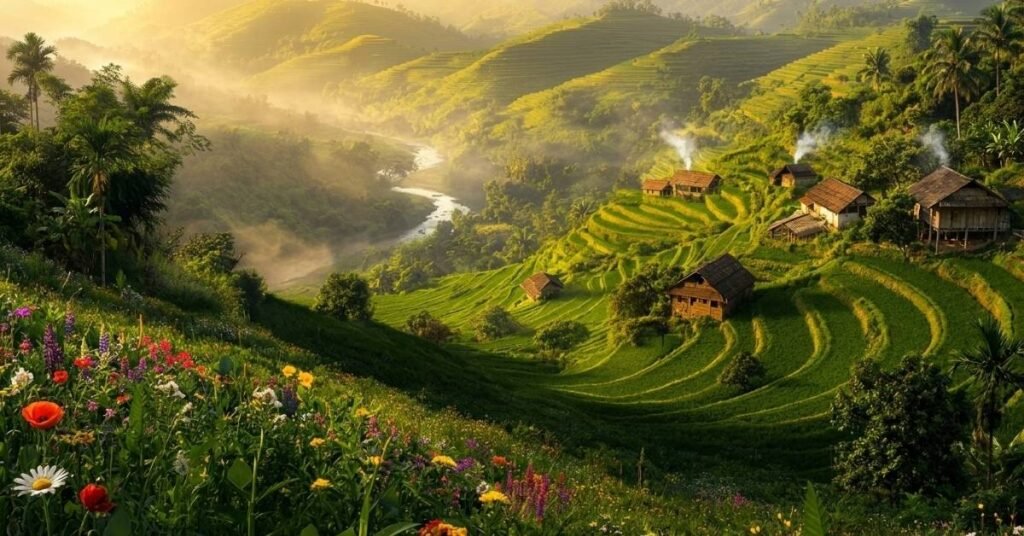
Let’s be honest about summer in Araku, because most blogs won’t tell you straight.
Temperatures during these months can climb to 30°C to 35°C, which is warm. But here is the thing, it is still noticeably cooler than the thick, humid heat of coastal Vizag. The altitude still works in your favor, just not as dramatically as in winter.
Waterfalls take a hit during this season. Most of them, including the popular ones, run quite low or even dry up completely since there has been no recent rain to feed them.
So if you visit in summer, shift your focus to attractions that don’t depend on water levels:
- Araku Tribal Museum: A great indoor escape from the heat, with displays on local tribal life, art, and history
- Padmapuram Gardens: Shaded, green, and pleasant to walk around even on a warmer afternoon
Now for the part budget travelers will love.
Pros of visiting in summer:
- Far fewer tourists, so no crowds at attractions
- Heavy discounts on stays, including official properties like Haritha Valley Resort, run by APTDC
- Easier and cheaper train and taxi bookings, with no last-minute rush
Cons of visiting in summer:
- Daytime heat can feel tiring for long outdoor walks
- Waterfalls and lush greenery are missing
- The Vistadome train experience feels less scenic without the winter mist
If your main goal is a peaceful, pocket-friendly trip and you don’t mind skipping the waterfalls, summer can actually work well for you.
What to Pack for Your Araku Trip
Packing right can make or break your trip, especially with how much the weather shifts between seasons. Here is what I always carry, based on years of getting it wrong and right.
For winter trips:
- Light jackets for daytime sightseeing
- Heavy thermals or sweaters for cold nights, especially in December and January
- A warm cap or scarf if you plan to be out early morning
For monsoon trips:
- A good windcheater that actually blocks rain
- Sturdy, waterproof trekking shoes, a must if you are heading to Katiki Waterfalls
- A compact umbrella for sudden showers
For any season:
- Carry enough cash. ATMs in and around Araku can run dry quickly, especially on long weekends
- Motion sickness pills, no matter how confident you are. The 114 km ghat road from Vizag has constant twists and turns, and it catches people off guard
- A power bank, since charging points can be limited at smaller stays
I never travel to Araku without these basics now. Trust me, the first time you forget cash or motion sickness pills on that winding road, you won’t forget again.
Frequently Asked Questions (FAQs)
Does it snow in Araku Valley?
No, it never snows in Araku. But winter nights, especially in December and January, get very cold and misty, almost making you forget you are still in Andhra Pradesh.
Is 1 day enough for Araku?
You can technically do a day trip from Vizag, but it will feel rushed. Staying at least 1 night is highly recommended so you can explore the Borra Caves and nearby attractions without watching the clock.
Is the Araku ghat road safe for driving?
Yes, the road is generally well-maintained and safe. That said, avoid night driving, especially during monsoon season, when visibility drops and the roads can get slippery.
How many days are ideal for an Araku trip?
Two days and one night is the sweet spot. It gives you enough time to enjoy the Vistadome train, visit Borra Caves, and explore Chaparai or Katiki without feeling rushed.
Can I book Araku train tickets on the same day?
It is risky, especially in winter. The Vistadome coach fills up 30 to 45 days in advance, so same-day or last-minute bookings often mean missing out on that experience entirely.
Is Araku Valley good for a family trip?
Yes, it works well for families. The pace is relaxed, attractions like the Tribal Museum are easy for kids and elders, and winter weather is comfortable for all age groups.
Final Thoughts
After visiting Araku multiple times across different seasons, I can say this with confidence. September to February remains the best window, hands down. The weather is kind, the coffee season adds something special, and the valley simply looks its best.
If you are planning a winter trip, do not delay your Vistadome train booking. Lock in your tickets early, pack smart, and Araku will take care of the rest.