Chitkul, India’s last inhabited village near the Indo-Tibet border, sits at 11,319 ft and has very few but deeply rewarding things to do.
The best things to do in Chitkul:
- Walk to the Mathi Temple and admire its Kath-Kuni wooden architecture
- Spend quiet time by the Baspa River
- Eat Maggi and drink chai at Hindustan Ka Antim Dhaba
- Stand at the ITBP Checkpost, the last point tourists can reach
This village is not for people looking for adventure sports or nightlife. It rewards the ones who slow down. The air is cold, the roads are narrow, and the village is genuinely small. But every corner here feels like something you will want to photograph and remember.
Here is a closer look at each thing worth doing in Chitkul.
Top Things to Do in Chitkul
Chitkul does not have a long list of tourist attractions. That is actually the point. What it has is real, unhurried, and worth your time.
Visit Mathi Temple
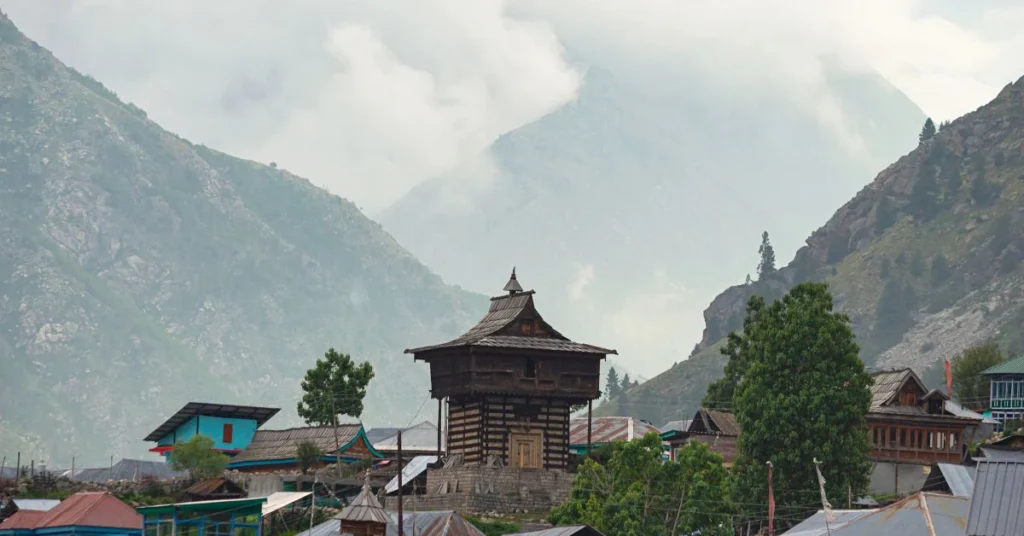
Mathi Temple is the heart of Chitkul village. The locals worship Mathi Devi as their main deity, and this temple is central to village life and culture.
What makes it worth visiting is the architecture. The temple is built in the Kath-Kuni style, which is a traditional Himachali method of construction using alternating layers of wood and stone. No nails, no cement. Just craftsmanship passed down through generations.
The carvings on the wooden panels are detailed and old. You will not find this kind of work in most temples. Go in the morning when it is quieter. Be respectful, dress modestly, and do not enter restricted areas.
Time needed: 20 to 30 minutes.
Spend Time by the Baspa River
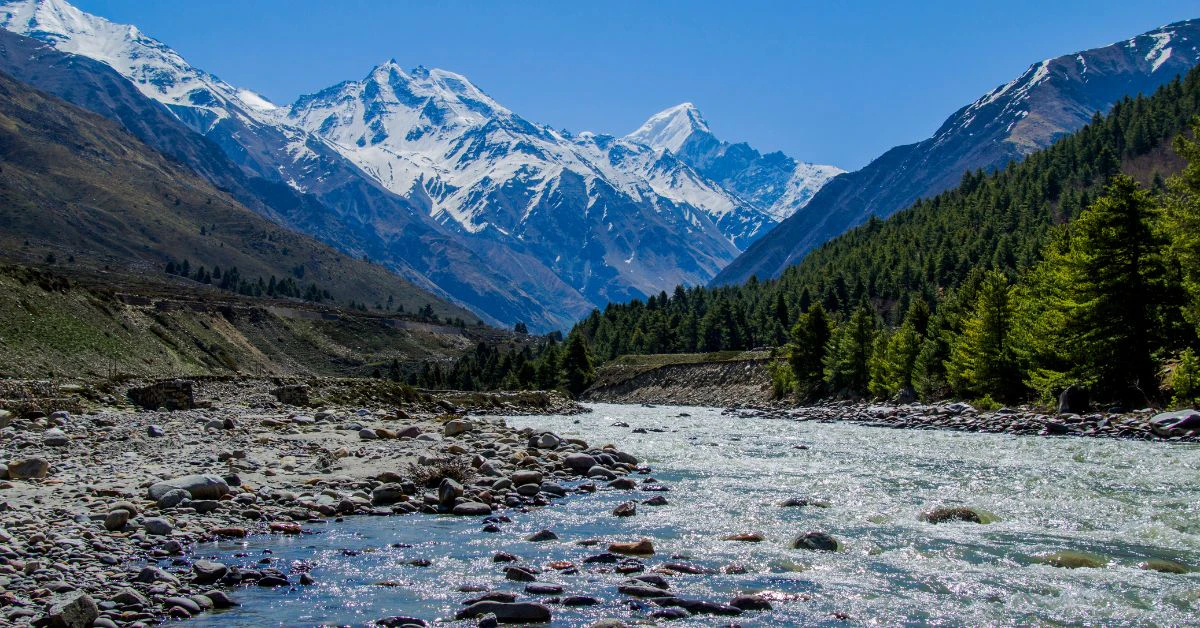
The Baspa River runs right alongside Chitkul village. The water is glacial, fast-moving, and a striking shade of blue-green depending on the light and time of day.
There is nothing “to do” here in the traditional tourist sense. You sit, you watch the water, you breathe the air. That is the whole experience, and it is genuinely good.
The river banks have some flat stretches where you can sit comfortably. Early mornings are the best time to go. The light hits the water well and the village is still quiet. Avoid getting too close to the water’s edge as the current is strong and the rocks are slippery.
Time needed: As long as you want. Most people spend 30 to 60 minutes here.
Eat at Hindustan Ka Antim Dhaba
This small food stall is one of the most photographed spots in Chitkul. The name translates to “The Last Dhaba of India,” and that title alone makes every traveller want a photo in front of it.
But beyond the photo, the food is the real reason to stop. A hot bowl of Maggi and a cup of chai at 11,319 ft, with cold wind around you and the mountains in the background, is one of those simple travel moments that sticks with you.
The dhaba is basic. Do not expect a full menu or fast service. Go with low expectations on the food variety and high expectations on the experience. It delivers.
Time needed: 30 to 45 minutes.
Walk to the ITBP Checkpost
The ITBP (Indo-Tibetan Border Police) checkpost is the last point that civilian tourists are allowed to reach in Chitkul. Beyond this point is restricted territory near the Indo-Tibet border.
Walking up to this checkpost gives you a real sense of how far you have come. There is a psychological weight to standing at the edge of civilian India. The landscape beyond the checkpost is raw and open, and you can see it clearly from where you stand.
You do not need special permits to walk up to the checkpost, but you cannot cross it. The walk from the main village takes about 10 to 15 minutes on foot.
Time needed: 30 minutes including the walk.
Drive or Walk the Rakcham to Chitkul Stretch
The road from Rakcham to Chitkul is one of the most scenic short drives in the entire Kinnaur district. It is only about 12 km but feels like a completely different world.
The route passes through dense pine forests, open alpine meadows, and dramatic rocky cliffs with the Baspa River below. If you have time, stop the car and walk a short stretch of this road. Even 20 minutes on foot here is worth it.
Most travellers drive through without stopping. Do not make that mistake.
Time needed: 1 to 2 hours including stops.
Quick Summary Table
| Place | Activity Type | Time Needed |
| Mathi Temple | Cultural / Sightseeing | 20-30 mins |
| Baspa River | Relaxation / Photography | 30-60 mins |
| Hindustan Ka Antim Dhaba | Food / Photography | 30-45 mins |
| ITBP Checkpost | Sightseeing / Experience | 30 mins |
| Rakcham to Chitkul Road | Scenic Drive / Walk | 1-2 hours |
Beautiful Places Near Chitkul (Sangla Valley)
A lot of travel blogs list Sangla Valley attractions under “things to do in Chitkul.” That is misleading. Sangla is a separate town located about 22 to 24 km before Chitkul. You pass through it on the way up.
That said, if you are driving to Chitkul, you will go through Sangla anyway. These stops are worth your time on the way in or out.
Kamru Fort
Kamru Fort stands on a hilltop above Sangla town. It is a medieval fort that also houses a temple dedicated to Kamakhya Devi. The climb up is short but steep. From the top, you get a clear view of the Baspa Valley and the surrounding peaks. Entry requires removing your shoes and covering your head before entering the temple section.
Bering Nag Temple
This is a small but important local temple in the Sangla area. It is dedicated to the serpent deity and holds cultural significance for the people of the valley. Not heavily visited by tourists, which makes it a more authentic stop.
Tibetan Wood Carving Centre
Located in Sangla, this centre showcases traditional Tibetan woodcraft. You can watch artisans work and buy locally made carved items directly. It is a good place to understand the craftsmanship culture of the region, which also connects back to what you see at Mathi Temple in Chitkul.
Plan these stops during your drive rather than making separate day trips from Chitkul.
Important Travel Tips for Chitkul
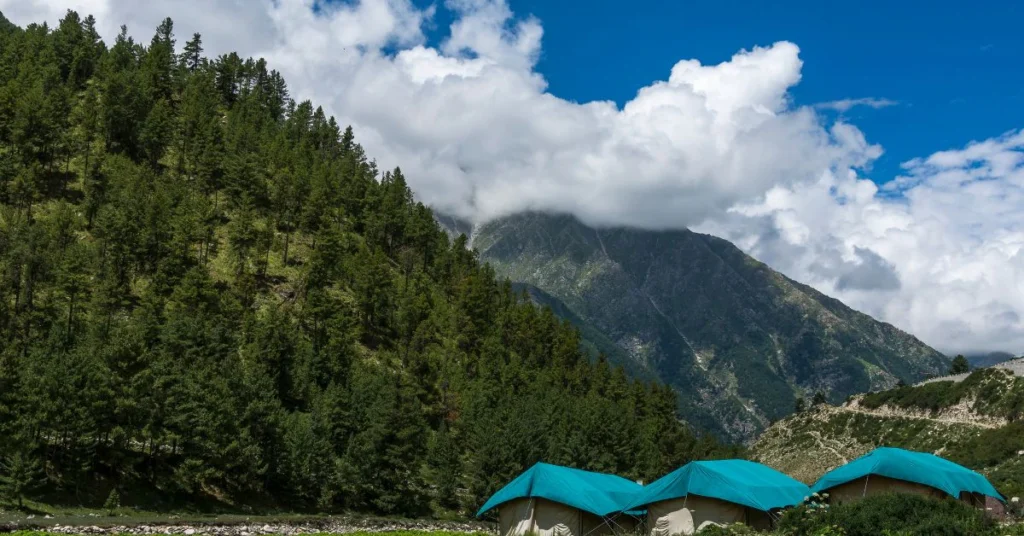
These are the things most people only find out after arriving. Know them before you go.
Money
- There are no ATMs in Chitkul. The last reliable ATM is in Sangla, about 22 to 24 km before the village. Withdraw enough cash before leaving Sangla. Most stays and dhabas in Chitkul are cash only.
Mobile Network
- Airtel and Vi (Vodafone-Idea) barely work in Chitkul. If you have a Jio or BSNL SIM, you will get a decent signal, but do not expect fast speeds or reliable data. Download offline maps before you arrive.
Altitude
- Chitkul is at 3,450 meters (11,319 ft). If you are coming from a low-altitude city, your body needs time to adjust. On your first day, skip strenuous activity. Walk slowly, drink water, and eat light. Headaches and fatigue are common early signs of altitude sickness. Take them seriously.
Accommodation
- Options are limited and fill up fast in peak season (June to September). Zostel Chitkul is a well-known backpacker option and highly rated. Pre-book at least a few days in advance. Do not assume walk-in availability during summer.
Frequently Asked Questions
Is 1 day enough for Chitkul?
One full day is enough to cover everything in the village, including Mathi Temple, the Baspa River, Hindustan Ka Antim Dhaba, and the ITBP Checkpost. But most travellers who stay just one day wish they had stayed two. The place grows on you once the evening quiet sets in.
How is the road from Karcham to Chitkul?
The road is narrow, winding, and passes through landslide-prone sections, especially after Sangla. It is manageable in a good vehicle but can be rough after heavy rain. Check road conditions with locals before heading up. You can also check updates via HPTDC’s official site before your trip.
Can we see snow in Chitkul?
Yes. Chitkul receives heavy snowfall from December through February. By March and early April, snow is still visible on the surrounding peaks and sometimes on the roads. If you want guaranteed snow, visit between January and March, but be prepared for road closures and very limited facilities.
Conclusion
Chitkul is not a place that tries hard to impress you. It just is what it is, and that honesty is exactly what makes it special. A cold river, a quiet temple, a bowl of Maggi at the edge of India. That is the whole trip, and it is more than enough.
If you are planning a Himachal road trip, do not skip this village to save time. It is worth every kilometer.
Which spot on this list are you most excited to visit? Drop it in the comments below.