
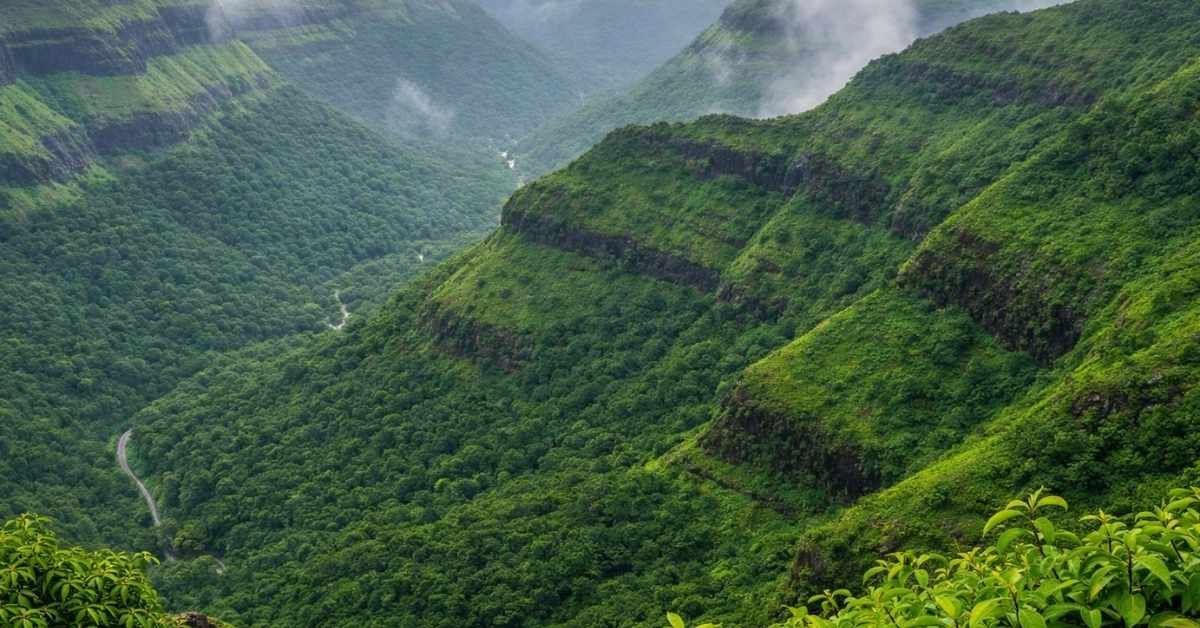
The best time to visit Igatpuri is from June to September for lush monsoons and December to February for cool winter treks. Monsoon brings misty mountains and waterfalls. Winter offers clear skies for camping. Visit in late May for the Fireflies Festival.
Quick Seasonal Overview
| Season | Months | Best For | Weather |
| Peak (Monsoon) | June – Sept | Waterfalls & Fog | 22°C – 28°C (Heavy Rain) |
| Peak (Winter) | Oct – Feb | Trekking & Camping | 12°C – 25°C (Cool) |
| Off-Season | March – May | Fireflies & Discounts | 25°C – 38°C (Hot) |
Igatpuri is no longer a long 4-hour drive from Mumbai. Thanks to the Hindu Hrudaysamrat Balasaheb Thackeray Maharashtra Samruddhi Mahamarg, you can now reach this hill station in about 2.5 hours. Whether you want to chase waterfalls or climb the highest peak in Maharashtra, timing your trip is key to avoiding crowds and high resort prices.
Monsoon (June – September): The “Fog City” Experience

If you want to see Igatpuri at its best, visit during the monsoon. The entire Sahyadri range turns a bright, neon green. You will drive through thick clouds on the Ghats, and every mountain becomes a backdrop for a waterfall. It is the peak season for nature lovers.
What to Do:
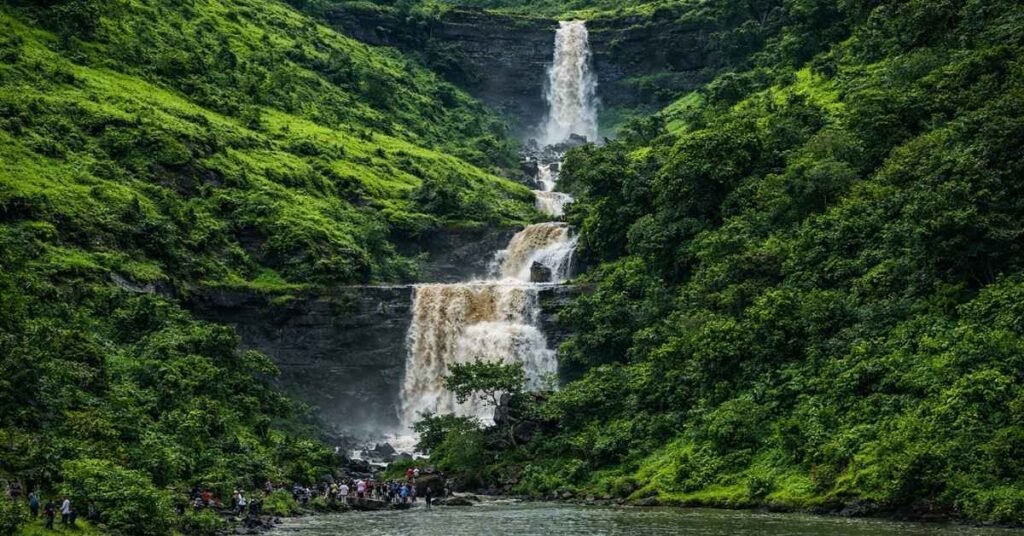
- Waterfall Rappelling: Head to Vihigaon Waterfall (also called Ashoka Waterfall). It is famous for being the filming location of the movie Asoka.
- Cloud Chasing: Visit the Camel Valley Viewpoint. It offers a deep V-shaped valley view where multiple waterfalls cascade down simultaneously.
- Picnic at the Dam: Drive to Bhavali Dam. You have to climb about 100 stairs to reach the top, but the view of the vast blue water surrounded by green peaks is worth it.
Pro-Tip for 2026: Heavy fog can reduce visibility to less than 5 meters on the Kasara Ghat. If you are driving, ensure your fog lights are working. Avoid trekking during extremely heavy downpours as the trails become very slippery and dangerous.
| Highlight | Why Visit? |
| Vibe | Misty, Romantic, and Fresh |
| Best Month | July & August (Peak Waterfalls) |
| Crowd Alert | Very high on Saturdays/Sundays |
Winter (October – February): Peak Trekking & Camping
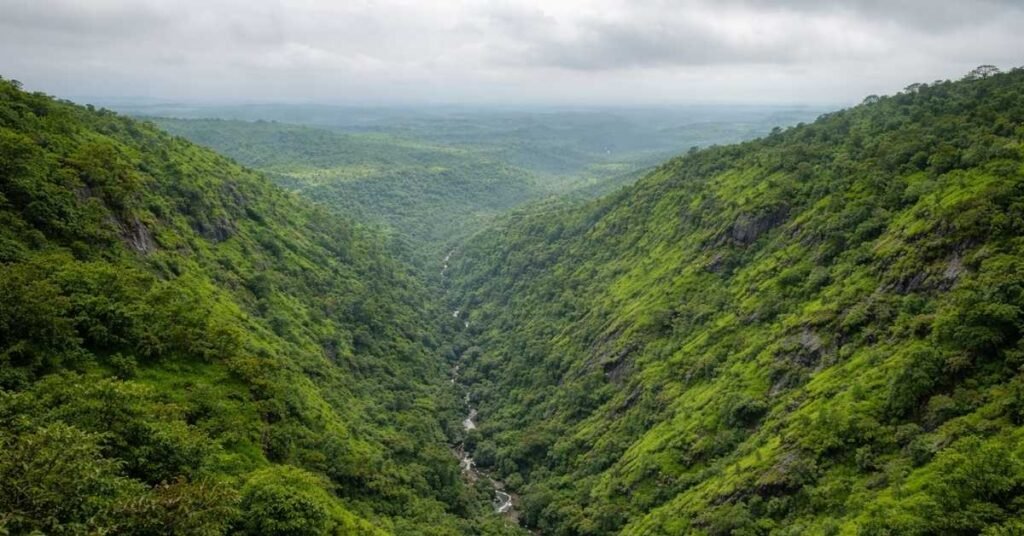
If you prefer adventure over misty views, winter is your season. The air is crisp, the skies are clear, and the temperature stays between 12°C and 25°C. This is the best time for high-altitude trekking and lakeside camping because the trails are dry and safe.
Top Winter Activities:
- Conquer the Highest Peak: Trek to Kalsubai Peak. Known as the “Everest of Maharashtra,” it stands at 5,400 feet. The winter sun is mild, making the 4-hour climb much easier than in summer.
- The Valley of Shadows: Visit Sandhan Valley. It is a 200-foot deep canyon. In winter, you can experience the thrill of rappelling down rock patches and walking through narrow, shadowed paths.
- Starlit Camping: Pitch a tent near Bhandardara Lake (30 mins from Igatpuri). The night sky here is incredibly clear, making it a favorite spot for astrophotography.
Pro-Tip for 2026: Winter nights in Igatpuri can get surprisingly chilly, often dropping to 10°C near the water. If you are camping, carry a high-quality sleeping bag and a heavy jacket.
| Feature | Winter Detail |
| Best Activity | Night Trekking & Rappelling |
| What to Wear | Layered clothing (Light for day, heavy for night) |
| Visibility | 100% (Best for panoramic views) |
Summer in Igatpuri (March to May) – The Peaceful Off-Season
Most travel guides write off summer in Igatpuri without a second thought. That’s actually good news for anyone willing to show up anyway.
From March to May, the Western Ghats dry out, tourist footfall drops sharply, and the whole destination shifts into a quieter, more personal rhythm. Temperatures climb between 25°C and 38°C during the day, but the humidity stays low through April, which makes mornings and evenings genuinely comfortable. If you’ve ever wanted Igatpuri without the weekend crowd jostling for the same viewpoints, this is your window.
Why this season still works:
- Budget advantage is real. Premium properties like Tropical Retreat and Manas Resort regularly offer 30% to 50% off-season discounts during these months. A stay that costs you ₹8,000 in October might come down to ₹4,000 in April.
- Vipassana International Academy is fully operational. The Dhamma Giri centre runs meditation courses year-round. If you’ve been meaning to do a 10-day silent retreat, summer is when your booking request is more likely to be accepted.
- Early mornings at Vaitarna Dam are exceptional. Get there before 10 AM and you get calm water, low light, and no other vehicles parked along the road. By mid-morning, the heat kicks in, so plan accordingly.
What to skip: Any strenuous midday trekking or exposed trail walks. The sun is unforgiving on open ridgelines between 11 AM and 4 PM. Structure your itinerary around early starts and evening walks instead.
The “Hidden” Window: Fireflies Festival (May – June)
Before the heavy monsoon rains arrive, Igatpuri hosts a magical natural event. Thousands of fireflies gather in the trees for their mating season, creating a glowing “fairy light” effect in the forest. This usually happens from late May to mid-June.
Where to See Them:
- Bhandardara Lake Area: The most popular spot for organized firefly camps.
- Purushwadi Village: A dedicated “Firefly Village” about an hour’s drive from Igatpuri that offers authentic rural stays.
Important 2026 Dates:
The festival peak is expected between May 22 and June 20, 2026.
Igatpuri Fireflies Festival 2026 official dates and camping organizers” for the exact weekend schedules as they depend on the first pre-monsoon showers.
Many visitors come too late. Once the heavy rains start (usually after June 20), the fireflies disappear. To see them, you must visit during the hot, humid weeks of late summer. It is sweaty, but the “glow-in-the-dark” forest is a once-in-a-lifetime sight.
| Fireflies Checklist | Recommendation |
| Best Time | 8:00 PM to 11:00 PM |
| Rule #1 | No torchlight or camera flash (it kills them) |
| Essential | Insect repellent (cream, not spray) |
Best Time to Visit Igatpuri Based on Who You Are
Not every traveller wants the same Igatpuri. A couple looking for misty mornings and quiet dinners has a completely different ideal window than a trekker chasing waterfall rappelling. Here’s how to match your travel type to the right season.
For Couples – October to February
The case for this window is easy to make. Fog rolls in through the valleys on winter mornings, the nights are cool enough to need a blanket, and resorts like Rainforest Resort offer private setups with valley views that genuinely feel removed from the world. Romantic dinners, campfire evenings, and slow mornings with coffee overlooking the ghats are at their best between October and February. Private villas are easier to book in November and January compared to the peak December holiday rush.
For Families – November to January or Late September
Families travelling with children need two things: predictable weather and safe road conditions. November to January delivers both. The monsoon has fully withdrawn, NH160 and the surrounding approach roads are dry and clear, and there are no extreme downpours to disrupt a day plan. Late September also works well as a shoulder option. The greenery from monsoon is still vivid, water bodies are full, and the weather is transitioning to pleasant without the rain unpredictability of July or August.
Avoid deep monsoon months (July and August) with young kids. Roads through Kasara Ghat can have reduced visibility and occasional landslip closures.
For Adventure Trekkers – July/August and December/January
Trekkers get two very different peak seasons depending on what they’re after:
| Adventure Type | Best Month | Destination |
| Waterfall Rappelling | July – August | Vihigaon Waterfall, Ashoka Waterfall |
| High-Altitude Trekking | December – January | Kalsubai Peak (5,400 ft, Maharashtra’s highest) |
| Monsoon Trail Walks | Late August – September | Camel Valley, Bhavali Dam trails |
Peak monsoon brings Vihigaon and Ashoka waterfalls to full force. Rappelling here in July is one of the more visceral experiences the region offers. Winter clears the skies entirely, and the trail to Kalsubai Peak offers panoramic views that monsoon haze simply doesn’t allow. The summit at 5,400 feet is well worth the 7-9 hour round trip on a clear December day.
2026 Travel Update: How to Reach Faster
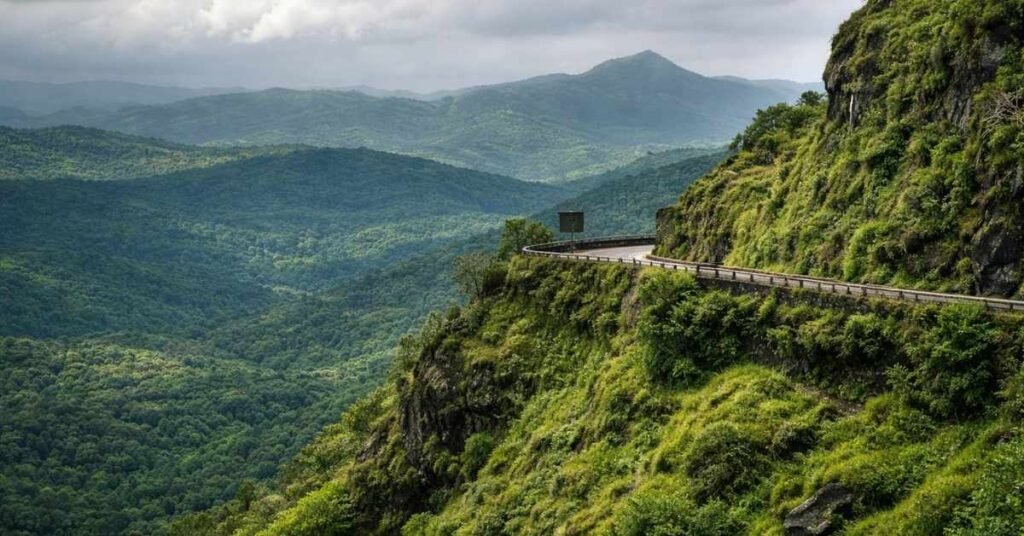
Getting to Igatpuri has changed significantly in 2026. You no longer have to struggle with the old, narrow highway traffic for five hours. The new infrastructure has made this a quick “impromptu” getaway.
By Road (The Fastest Way):
- From Mumbai: Use the Samruddhi Mahamarg. You can enter the expressway at Amane (near Thane/Kalyan) and exit directly at Igatpuri. The travel time is now just 2.5 hours.
- From Pune: Take the Nashik-Pune Highway (NH 60). It takes about 4.5 to 5 hours.
- From Nashik: It is a short 45-minute drive via the Mumbai-Nashik Expressway.
By Train (The Budget Way):
- Closest Station: Igatpuri Railway Station (IGP).
- Almost all major trains from Mumbai CSMT or Dadar heading towards Nashik/Varanasi stop here.
- The “Local” Hack: Take a local train to Kasara, then take a shared taxi or “ST” bus up the ghat to Igatpuri (approx. 30 mins).
Pain Point: Internal Transport
Once you reach Igatpuri station, getting to your resort can be expensive. Local autos often charge a “tourist flat rate” of ₹300–₹500 for short distances. If you plan to visit waterfalls and dams, it is much cheaper to bring your own car or rent a private cab for the full day (approx. ₹2,000–₹2,500).
| Mode | Est. Time (from Mumbai) | Cost Factor |
| Private Car | 2.5 Hours | Fuel + Toll (approx. ₹600) |
| Express Train | 3 Hours | Cheap (₹100 – ₹500) |
| ST Bus | 4 Hours | Very Cheap (₹150) |
Igatpuri Monthly Weather & Crowd Table
Planning your trip depends on the vibe you want. Use this quick chart to see the average temperatures and crowd levels for each month in 2026.
| Month | Temp (High/Low) | Rainfall | Crowd Level | Best Activity |
| Jan – Feb | 29°C / 14°C | None | High | Trekking & Camping |
| Mar – May | 35°C / 20°C | Low | Low | Fireflies (Late May) |
| Jun – Sept | 26°C / 21°C | Very High | Peak | Waterfalls & Fog |
| Oct – Dec | 29°C / 16°C | Moderate | Medium | Sightseeing |
The Verdict: If you hate crowds but want green views, visit in late September. The rain slows down, but the mountains stay lush and green. If you want the best trekking weather, January is the winner.
Pro-Tips for Visitors
To make your Igatpuri trip smooth in 2026, you need more than just a weather report. Here is the “insider” data to help you save money and avoid common travel headaches.
1. Booking & Budget Hacks
- The 3-Week Rule: If you are visiting during Monsoon weekends (July–August), hotels hike prices by 40%. Book at least 21 days in advance to lock in “early bird” rates.
- Mid-Week Magic: If you can visit between Tuesday and Thursday, you can stay at premium 4-star resorts like Tropical Retreat for almost half the weekend price.
2. Local Transport Secrets
Don’t rely on random autos at the station. Instead, look for Local Taxi Packages.
- 8-Hour Sightseeing: Expect to pay ₹1,500 – ₹2,200 for a sedan that takes you to 4-5 spots (Bhavali Dam, Vaitarna, etc.).
- Toll Alert: The Samruddhi Mahamarg toll for a light vehicle from Mumbai is approx. ₹300 – ₹400. Keep your Fastag recharged!
3. What to Pack (Essentials)
- Footwear: Use high-grip sandals (like Crocs or floaters) for monsoon. Do not wear flat-soled sneakers; you will slip on the muddy trails.
- Power Bank: Igatpuri can have power cuts during heavy rains. A 20,000mAh power bank is a lifesaver.
- Food Tip: Try the local Pithla Bhakri (spicy gram flour curry with flatbread) at small roadside tapris. It is the ultimate comfort food in the cold weather.
| Item | Why you need it |
| Windcheater | Heavy rains in Igatpuri come with strong winds. |
| Ziplock Bags | To keep your phone and wallet dry while chasing waterfalls. |
| Mosquito Cream | Essential for Fireflies camping in June. |
Where to Eat & Final Verdict
Since you’ve spent the day trekking or chasing waterfalls, you’ll need a solid meal. Igatpuri has some great spots, but avoid the “tourist traps” directly outside the station.
3 Must-Try Restaurants:
- Tulsi Restaurant (Hotel Ashwin): The best spot for Pure Veg and Jain food. It is located on the Old Agra Road and is very famous for its quick service and hygiene.
- Baithak – Manas Lifestyle Resort: If you want a multi-cuisine experience with a great view, this is it. Their Mutton Curry and Dosa are highly rated by 2026 travelers.
- Hotel Greenland: A perfect family-friendly garden restaurant on the Mumbai-Nashik highway. Great for a heavy lunch before heading back to the city.
Conclusion: When Should You Plan Your Trip?
Igatpuri is a rare destination that changes its soul every few months.
- Go in July/August if you want to see the waterfalls and the “Mini Switzerland” fog.
- Go in January if you want to climb Kalsubai and enjoy a campfire under the stars.
- Go in late May if you want to experience the magic of the Fireflies Festival.
Final Verdict: For most people, the Monsoon (June to September) is the absolute best time to visit Igatpuri. Just remember to use the Samruddhi Mahamarg to save time and book your stay 3 weeks early!
Frequently Asked Questions
How many days are enough for Igatpuri?
A 2-day, 1-night weekend trip covers the essentials comfortably. With that time, you can visit Bhavali Dam, explore Camel Valley, fit in a short trek, and still leave without feeling rushed. If you’re planning a Vipassana course or a longer nature retreat, you’d obviously need to factor in the course duration separately.
Is Igatpuri safe to visit during heavy monsoon?
Yes, for general sightseeing and resort stays. However, trekking to deep waterfalls or ascending Kalsubai Peak during a Red Alert weather day is not advisable. Trails become extremely slippery and some paths near waterfalls experience sudden water surges. Keep an eye on the IMD weather alert for Nashik district before any outdoor plan in July or August.
Can we see fireflies in Igatpuri in July or August?
No. The Fireflies Festival takes place strictly during the pre-monsoon period, typically between late May and mid-June. Once the southwest monsoon arrives with consistent rainfall, firefly activity stops. Searching for them in July or August will only lead to a long walk in the dark with nothing to show for it. If firefly watching is the main draw for your trip, plan specifically for the late-May to mid-June window before the rains fully set in.


