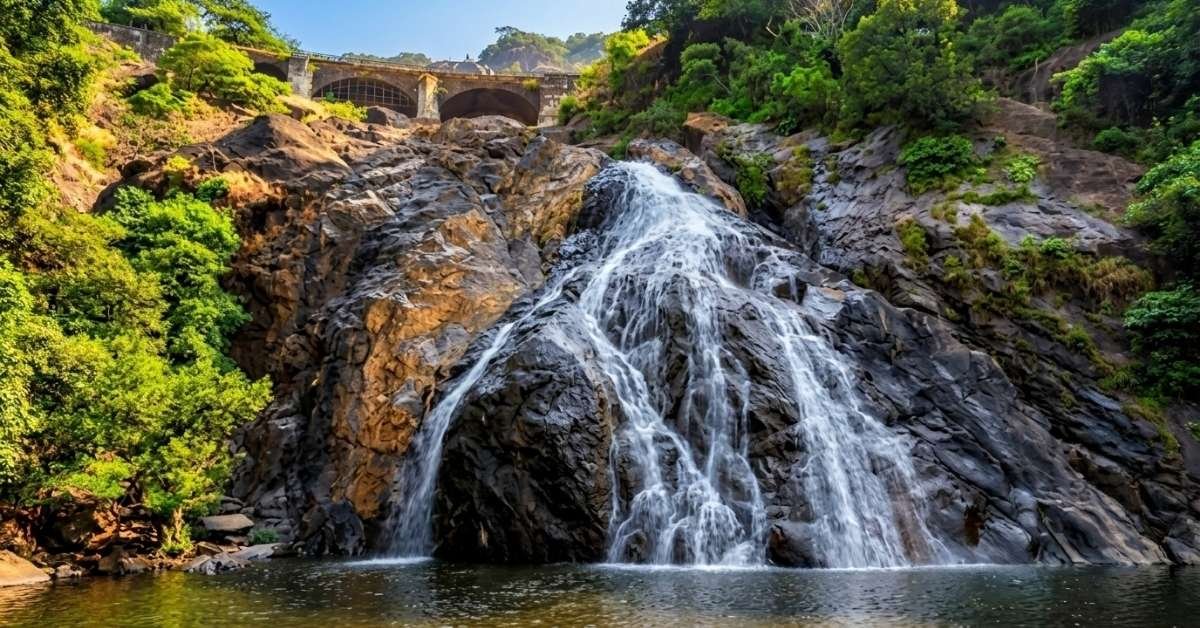
The best time to visit Khandala is July to September for waterfalls and lush greenery. However, for trekking and outdoor activities without rain, choose October to March. Warning: Avoid weekends in Monsoon unless you want to be stuck in 5-hour traffic jams on the Expressway.
The Honest Truth About Visiting Khandala
Most travel guides will tell you that Khandala is a perfect getaway all year round. That is not true. If you visit in May, you will face dry heat up to 37°C. If you visit on a Saturday in August, you might spend more time in your car than at the viewpoints.
I have traveled the Mumbai-Pune Expressway countless times. I have seen the fog at Tiger’s Point and the chaos at Bhushi Dam. This guide covers the real weather, the crowd warnings, and the safety rules you need to know for 2026.
The Khandala Cheat Sheet (Quick Verdict)
| Goal | Best Time | What to Expect |
| Best for Nature | July – September | Waterfalls, fog, and full greenery. |
| Best for Activities | October – February | Cool breeze (12°C-25°C), clear views. |
| Best for Budget | March – May | Cheaper villas, empty pools (dry season). |
| Worst Time | Weekends (July-Aug) | Severe traffic, overcrowding, police restrictions. |
Khandala by Season: What to Expect

Understanding the seasons here is critical. The “best time” depends entirely on what you want to do. If you want to trek, don’t come in July. If you want waterfalls, don’t come in January.
Monsoon (June – September): The “Green” Trap
This is the most popular time to visit Khandala. The entire region transforms from dry brown to lush green. Waterfalls like Kune Falls come alive, and the mist covers the mountains.
- The Vibe: Magical, wet, and very foggy. Visibility can drop to zero on the highway.
- The Reality Check: It rains heavily. Your shoes will get wet. Trekking routes like Duke’s Nose become slippery and dangerous.
- Traffic Alert: If you visit on a Saturday or Sunday, expect 2-3 hour delays on the ghats. The police often block entry to popular spots like Bhushi Dam if the crowd gets too big.
- Best For: Long drives, enjoying corn (bhutta) in the rain, and seeing waterfalls from a distance.
Winter (October – February): The Active Season
This is the safest bet for a family trip. The rains stop, but the green cover remains until December. The weather is cool and perfect for outdoor activities.
- Temperature: Pleasant days (20°C – 25°C) and chilly nights (drops to 12°C).
- Why Go Now: This is the only safe time to hike up to Lohagad Fort or Tiger’s Leap without slipping. The views are clear, not blocked by fog.
- Crowd Factor: Still busy, but the traffic moves much faster than in the monsoon.
- Best For: Trekking, sightseeing, and camping.
Summer (March – May): The Budget & Pool Season
Locals usually avoid Khandala in summer because it gets hot. However, if you want a luxury stay at a lower price, this is your window.
- The Vibe: Dry and warm. Day temperatures hit 35°C – 37°C. The waterfalls are completely dry.
- Why Go Now: Hotels and villas offer big discounts. It is perfect for a “staycation” where you just relax in a pool and don’t leave the property.
- Warning: Do not plan any afternoon sightseeing. The sun is harsh.
- Best For: Budget travelers, couples looking for privacy, and pool parties.
Month-by-Month Weather Breakdown

To help you plan the perfect trip, here is a simple breakdown of what Khandala looks like every month.
June: The Beginning
- Weather: The heat breaks. Light showers start, and the dry brown hills turn light green.
- Verdict: Good for a quiet trip before the crowds arrive.
July & August: The Peak Monsoon
- Weather: Heavy, non-stop rain. Fog is very thick (visibility is low).
- Verdict: Most beautiful but most crowded. Traffic is a nightmare on weekends. Be careful of slippery roads.
September: The Sweet Spot
- Weather: The rain slows down. It drizzles, but the sun comes out occasionally.
- Verdict: Highly Recommended. You get the greenery without the heavy downpour.
October – January: Winter Bliss
- Weather: Cool, dry, and sunny. Early mornings are foggy but clear up by 10 AM.
- Verdict: Best for trekking to Duke’s Nose or visiting Lohagad Fort.
February – May: The Dry Season
- Weather: It gets warmer every day. By April, it is hot (35°C+).
- Verdict: Only go if you want a cheap villa stay with a pool. The waterfalls will be dry.
Who Should Visit Khandala and When
The “best time to visit Khandala” is not a single answer. It depends on who you are traveling with and what you are actually trying to get out of the trip. Here is an honest breakdown segmented by visitor type, based on what I have seen at the viewpoints across different seasons.
Couples: March to May
The pre-monsoon window from March to May is the season most travel content glosses over in favor of monsoon photography. But for couples who want privacy, quiet, and the ability to actually enjoy a meal or a morning on a balcony without either crowds or constant rain, this is the underrated slot. The hill station traffic drops sharply after February, the landscape still holds its greenery in early March, and private villa properties in and around Khandala offer significantly better availability and pricing than peak October or peak monsoon. By April and May, yes, it gets warm, but the elevation keeps temperatures manageable compared to the plains below. The point is not perfect weather. The point is actual solitude, which Khandala in peak season almost never delivers.
Families: October to February
I have watched families try to navigate the wet viewpoint paths in July with young children and elderly parents. It is not a fun observation. The paths are uneven, the railings are sparse, and the mist that looks beautiful in photographs translates to zero visibility and damp clothing in practice. October through February is when Khandala makes sense for family trips. The paths are dry and visible, the waterfalls have wound down from their most violent stage but the landscape is still lush, and the temperatures are genuinely pleasant rather than brutally humid. Viewpoints like Kune Falls overlook and the various Ghats lookouts can actually be approached safely. For a group that includes children under ten or adults with mobility concerns, this is not a preference. It is a practical necessity.
Adventure Seekers: August to September
August and September are when Khandala is objectively at its most dramatic and objectively at its most unforgiving. The waterfalls running off the Sahyadri cliffs are at full volume, the mist is constant, and every trail that exists near the Ghats has standing water somewhere. Solo trekkers and experienced hikers who have done Western Ghats terrain before will find this window genuinely thrilling. The key word is experienced. The trails around the Bhor Ghat area are not maintained for wet-season use. You are moving on rock and mud with limited visibility, which is challenging in the specific way that appeals to people who train for this kind of thing. If you have not done monsoon trekking before, August is not the month to learn. If you have, the intensity of Khandala in full monsoon is difficult to replicate anywhere closer to Mumbai or Pune.
The “Weekend vs. Weekday” Rule (Crucial)

This is the most important tip in this entire guide. Khandala changes completely depending on the day of the week.
- Weekdays (Monday – Thursday): The town is empty. You can drive to Tiger’s Point in 15 minutes. Hotels are 30-40% cheaper. You can take photos at the waterfalls without strangers bumping into you.
- Weekends (Friday – Sunday): It is a different world. The Mumbai-Pune Expressway gets jammed. A 2-hour drive can turn into 5 hours. Restaurants have 1-hour waiting lines.
My Advice: If you can, take a day off work and go on a Wednesday. You will save money and actually enjoy nature. If you must go on a weekend, leave your home at 5:00 AM to beat the rush.
Beyond Waterfalls: Historical Sites and Forts Worth Planning Around
Most Khandala travel content treats the dry months between October and May as the off-season, a placeholder period you simply wait out before the waterfalls return. That framing misses the point entirely. The dry season is when two of the most architecturally significant sites near Khandala become genuinely accessible, and both are worth planning an entire trip around.
Rajmachi Fort: The Case for a Winter Visit
Rajmachi Fort sits 15 km from Khandala, and it is not a single structure. The fort complex contains twin fortresses, Shrivardhan and Manaranjan, which are distinct in layout and require separate climbs if you want to see both properly. During monsoon, the approach trail turns into a slick mud channel. I have walked sections of that route in wet conditions, and the structural staircases carved into the rock become legitimately dangerous when coated with moisture. In the winter months, specifically October through February, those same stairs are dry, stable, and physically demanding in the best way. The views from the top carry none of the monsoon haze, and you can actually identify the valley below instead of staring into low cloud cover.
The fort is not a manicured heritage site. There are no guided audio tours or well-lit corridors. What you get is the original stonework, the steep military geometry, and a sense of how defensible this plateau actually was. That raw quality is better experienced without rain soaking your gear.
Karla and Bhaja Caves: 2nd-Century Architecture on Dry Rock
Located 10 to 14 km from Khandala, the Karla and Bhaja Caves are Buddhist rock-cut caves dating back to the 2nd century BC. These are not reconstructions or replicas. They are original excavations carved directly into basalt cliffs by craftsmen working more than two thousand years ago. The prayer halls, the carved pillars, the relief sculptures of elephants and celestial figures, all of it has survived because the rock itself has held. The interiors stay cool and dim regardless of season, but the approach paths and the surrounding cliff faces are far more rewarding to explore in dry weather. Monsoon brings moss and slippery rock surfaces that make getting a proper look at the exterior carvings genuinely difficult.
For anyone visiting Khandala outside the July to September window, these two sites alone justify the trip. They represent something the waterfalls do not: a reason to be here that has nothing to do with precipitation.
What to Pack (Don’t Forget These)
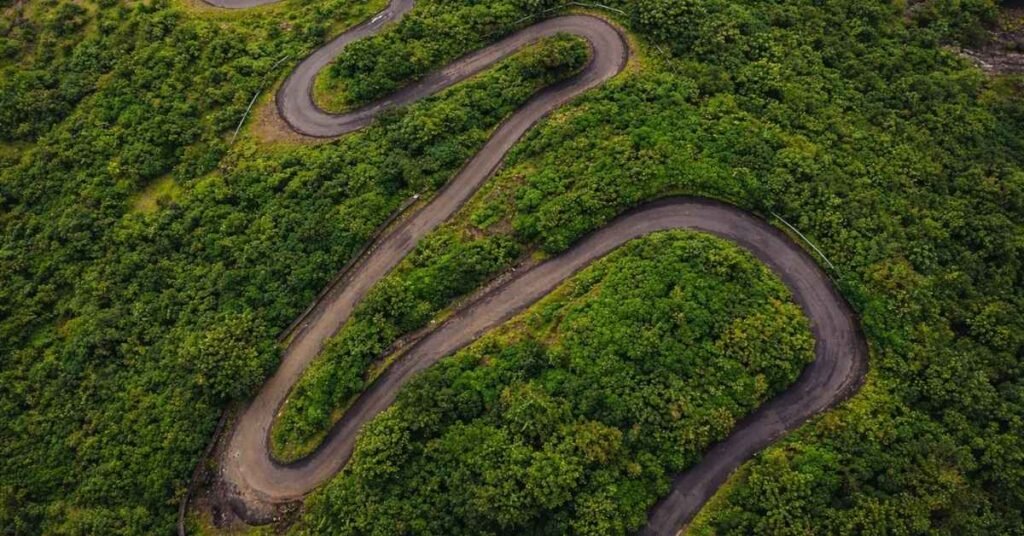
Khandala’s weather is tricky. Pack according to the season so you don’t get stuck buying expensive gear there.
For Monsoon (June – Sept):
- Footwear: Wear sandals or Crocs with a good grip. Do not wear white sneakers; the red mud will ruin them forever.
- Clothes: Quick-dry t-shirts and shorts. Jeans will get heavy and wet.
- Gear: A strong windcheater (umbrellas often flip inside out due to wind). A waterproof cover for your phone.
For Winter (Oct – Feb):
- Clothes: Light woolens or a hoodie for early mornings and late nights.
- Gear: Good trekking shoes if you plan to climb Duke’s Nose. Sunscreen for the afternoon sun.
For Summer (March – May):
- Clothes: Cotton clothes, hats, and sunglasses.
- Gear: Plenty of water bottles. Dehydration happens fast here.
FAQs: What Everyone Asks (But No One Answers)
Here are the real questions travelers ask in private WhatsApp groups, answered honestly.
Q: Is it safe to visit Khandala during heavy rains?
Yes, but strictly before 6:00 PM. In 2025, the police enforced a strict ban on visiting waterfalls and viewpoints like Tiger’s Point after sunset to prevent accidents. Also, do not take selfies at cliff edges. The police issue heavy fines for “risky behavior” at Lion’s Point.
Q: Which is better: Lonavala or Khandala?
They are twin towns only 4 km apart.
- Khandala is quieter, smaller, and better for scenic drives.
- Lonavala is the main market hub with more hotels, noise, and traffic.
- Pro Tip: Stay in Khandala for peace, but drive to Lonavala for dinner.
Q: Are the waterfalls open in 2026?
Yes, but you cannot “enter” all of them. Popular spots like Bhushi Dam are open from 9:00 AM to 5:00 PM. However, climbing the rocks at Kune Falls is often restricted due to slippery moss. Always follow the local police instructions—they are there to save you from flash floods.
Q: How bad is the traffic really?
It can be brutal. In early February 2026, a single accident near the Adoshi Tunnel caused a 30-hour jam. Always use Google Maps to check the “Ghat” traffic before you leave your house.
Conclusion: The Final Verdict
Khandala is not a “go anytime” destination. It is a place that requires timing.
- If you want the classic foggy photos: Go in August, but only on a weekday.
- If you want to trek and explore: Go in January.
- If you hate traffic: Avoid weekends in Monsoon at all costs.
Future Travel Hack: The new “Missing Link” project on the Expressway is expected to open by May 2026. Once this tunnel opens, it will bypass the entire Ghat section, saving you 30 minutes of travel time and reducing traffic jams significantly. Until then, drive safe and plan smart!