

The worst time to visit Meghalaya is June to August. These three months bring extreme rainfall that floods caves, turns clear rivers muddy, and makes roads dangerous. If you are planning your first trip, avoid this window completely.
I have been to Meghalaya twice. And trust me, the monsoon there is not like anywhere else in India.
Meghalaya is home to Mawsynram and Cherrapunji, the two wettest places on Earth. During peak monsoon, it does not just rain. It pours for days without stopping. The kind of rain that soaks through your jacket in seconds.
Most tourists come here for three things: the crystal-clear Umngot River in Dawki, the famous Double Decker Living Root Bridge in Nongriat, and the caves near Cherrapunji. During the worst time to visit Meghalaya, all three of these experiences get badly affected or become completely inaccessible.
Roads get blocked. Treks become dangerously slippery. Caves flood. And that stunning turquoise river? It turns brown and murky.
I am not saying Meghalaya in monsoon has zero charm. The waterfalls are dramatic and the green hills look magical. But if you are traveling for the classic highlights, June to August will leave you deeply disappointed.
This guide will break down exactly what goes wrong, month by month, so you can plan a smarter trip.
My Reality Check: Surviving the Meghalaya Monsoon
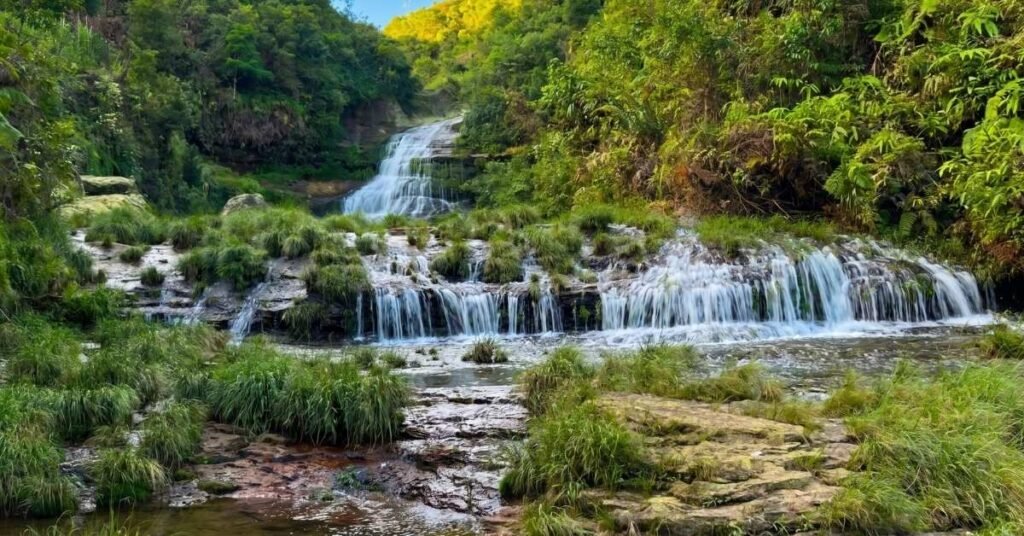
Let me tell you about my July trip to Cherrapunji. It was supposed to be a five-day adventure. It turned into four days of sitting inside a guesthouse, watching rain hammer the windows.
I had done my research. Or so I thought.
I landed in Guwahati at Lokpriya Gopinath Bordoloi International Airport on a Tuesday morning. The sky was already heavy and grey. By the time my cab reached the Meghalaya border, the rain had started. It did not stop for the next four days.
On day two, I tried to visit Mawsmai Cave. The path leading to the entrance was flooded. A local guide told me it had been restricted for nearly two weeks. I had been looking forward to that cave for months.
On day three, I planned to head toward Mawsynram. My driver refused. The roads had minor landslide debris blocking parts of the route. He said it was not worth the risk, and honestly, I trusted his judgment.
Day four, I gave up on sightseeing entirely. I sat at a small dhaba near my hotel, drank cup after cup of tea, and talked to other stranded tourists who had made the same mistake I did.
The worst part was not the rain itself. It was the helplessness. You cannot fight Meghalaya’s monsoon. You just have to wait it out.
I came back from that trip having seen almost nothing on my list. The waterfalls were stunning through my window, I will give them that. But stunning waterfalls alone do not justify the cost of flights, hotels, and cab bookings.
Learn from my mistake. Timing your Meghalaya trip correctly is everything.
4 Reasons Why Monsoon is the Worst Season

After my Cherrapunji experience, I started paying closer attention to exactly what makes the monsoon so problematic for travelers. It is not just the rain. It is everything the rain triggers.
Here are the four biggest reasons why monsoon is genuinely the worst season to visit Meghalaya.
The Rainfall Here is Not Normal
Mawsynram holds the record for the highest average annual rainfall on Earth. During June to August, the region receives an almost unimaginable amount of water in a very short time.
This is not a light shower that clears up by afternoon. This is continuous, relentless rain that can go on for days without a single break. Visibility drops. Paths disappear under water. And even the locals stay indoors when it gets truly bad.
If you are expecting to sightsee between rain breaks, Meghalaya will humble you very quickly.
Landslides Make Roads Genuinely Dangerous
The Guwahati to Shillong highway, NH6, is the main road most travelers use after landing at Guwahati airport. During heavy monsoon spells, this highway regularly faces blockages due to landslide debris and waterlogging.
I spoke to my cab driver about this during my July trip. He told me some stretches had seen blockages almost every second week that season. A journey that normally takes around two and a half hours can stretch to five or six hours, or become impossible entirely.
This is a serious safety concern, not just an inconvenience.
Leech Infestations on Trekking Trails
| Trek | Monsoon Problem |
| Nongriat Double Decker Root Bridge | Heavily leech-infested, extremely slippery steps |
| Mawsynram trails | Waterlogged and largely inaccessible |
| Cherrapunji viewpoint walks | Slippery paths with poor visibility |
The trek to the Nongriat Double Decker Living Root Bridge involves over 3,000 steps. In monsoon, those steps are covered in moss, mud, and leeches. I met a couple at my guesthouse who turned back halfway because of leech bites. They were not prepared for it, and honestly, most tourists are not.
Flight and Transport Delays
Bad weather in Guwahati and the surrounding region frequently causes flight delays and cancellations. Your entire itinerary can fall apart before you even reach Meghalaya.
Local cabs and shared taxis also become unreliable. Many drivers refuse certain routes during heavy rainfall for their own safety, which is completely understandable but leaves you stranded.
The bottom line is simple. Monsoon in Meghalaya creates a chain reaction of problems that hits your trip from every direction at once.
Planning a Road Trip in India?
Stop guessing! Calculate your exact fuel cost for Petrol, Diesel, CNG, or EV trips instantly.
🚗 Calculate Fuel Cost NowPopular Tourist Spots You Will Miss Out On
Most people visit Meghalaya for three or four specific experiences. The sad truth is that during peak monsoon, those exact experiences are either completely ruined or outright dangerous. Let me walk you through each one honestly.
Umngot River, Dawki: The Crystal Clear River That Turns Brown
The Umngot River in Dawki is one of the most photographed spots in all of Northeast India. The water is so clear during winter and spring that boats appear to float on glass. It is genuinely one of the most beautiful sights I have ever seen.
During monsoon, that magic disappears entirely.
Heavy rainfall causes massive surface runoff from the surrounding hills. All that mud and debris flows straight into the river. By July, the Umngot is brown, turbulent, and unrecognisable. Boating is suspended during this period because the current becomes too strong and unpredictable.
If seeing the famous clear water of Dawki is on your bucket list, visiting between June and August will leave you staring at something that looks like any other flooded river in India.
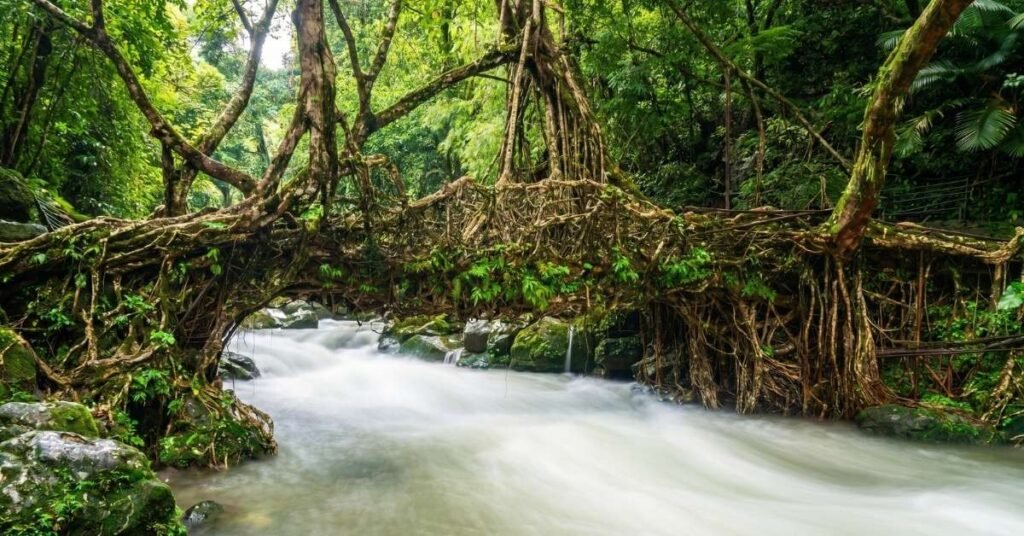
Nongriat Double Decker Root Bridge: Beautiful but Brutal in Monsoon
The Double Decker Living Root Bridge in Nongriat is a UNESCO-recognised natural wonder. The trek involves descending and climbing thousands of steps through dense forest.
In monsoon, every single one of those steps is wet, mossy, and slippery. The leech situation is severe. Travelers I met during my trip described pulling leeches off their ankles every few minutes during the descent.
Beyond the discomfort, the safety risk is real. A slip on those steps in wet conditions can cause serious injury. I would not recommend this trek to anyone during the June to August window, regardless of how fit they are.
Mawsmai Cave: Flooded and Off-Limits
Mawsmai Cave is one of the most accessible caves near Cherrapunji and a top attraction for most visitors. During heavy monsoon spells, the cave gets partially or fully flooded and is regularly restricted by local authorities for safety reasons.
I found this out the hard way on my own trip, as I mentioned earlier. No amount of planning helps when the cave is simply closed.
For updated travel advisories and seasonal attraction information, you can check the official Meghalaya Tourism website before finalising your itinerary.
The pattern is clear. The attractions that make Meghalaya worth visiting are the exact ones that monsoon destroys. Timing is not just important here. It is everything.
What If You Are Already Booked for the Monsoon?

I get it. Flights are booked, hotels are paid for, and leave is approved. Cancelling is not always an option. So if you are already locked into a June, July, or August trip, here is how to make the best of it without putting yourself in danger.
Stay Based in Shillong, Not Cherrapunji
Shillong is significantly safer and more manageable during monsoon than Sohra (Cherrapunji) or Mawsynram. The city has better infrastructure, more hotel options, and easier access to medical help if needed. Use Shillong as your base and take short day trips only when the weather allows.
Trying to stay in Sohra during peak monsoon is asking for trouble. The roads in and out can become blocked with very little warning.
Pack Like You Mean It
Do not underestimate Meghalaya’s rain. Here is what you genuinely need:
- A heavy-duty waterproof raincoat (not a flimsy poncho)
- Waterproof trekking shoes or rubber boots
- Ziplock bags for your phone, passport, and cash
- A small dry bag for your daypack
- Leech-repellent socks if you plan any trail walking
Enjoy Waterfalls From Safe Viewpoints
This is actually where monsoon Meghalaya shines. Nohkalikai Falls, one of the tallest plunge waterfalls in India, looks absolutely breathtaking during monsoon. The volume of water is spectacular.
The key is viewing from designated safe viewpoints only. Do not try to get closer for a better photo. The ground near waterfalls becomes extremely slippery and dangerous.
Build Buffer Days Into Your Plan
Keep at least one or two completely free days in your itinerary. Rain can cancel plans without any notice. Having buffer days means you are not scrambling to fit everything into a ruined schedule.
Flexibility is your best friend in monsoon Meghalaya.
When is the Actual Best Time to Visit Meghalaya?
The sweet spot for visiting Meghalaya is October to April. This window gives you clear skies, manageable temperatures, and the famous crystal-clear water at Dawki that you have seen in every travel reel.
October and November are particularly good. The landscape is still lush and green from the monsoon, but the rain has stopped. You get the best of both worlds.
December to February brings cooler temperatures and excellent visibility for viewpoints and photography. March and April are warm but pleasant, and the Umngot River is at its clearest during this period.
If I had to pick one single month, I would say November or March. Both are outstanding for first-time visitors.
Frequently Asked Questions
Is it safe to drive in Meghalaya in July?
Driving in Meghalaya in July carries real risk. NH6 from Guwahati to Shillong regularly sees landslide debris and waterlogging during heavy spells. Always check local road conditions before heading out and avoid night driving completely.
Does Dawki look clear in August?
No. The Umngot River in Dawki is muddy and brown throughout the monsoon season, including August. The clear turquoise water only returns after the rains fully subside, usually by late October.
Are the root bridges open during monsoon?
The bridges themselves are not formally closed, but the trek to reach them becomes extremely dangerous. Slippery steps, leech infestations, and waterlogged trails make it a genuinely risky undertaking that I would not recommend.
Can I visit Meghalaya in June on a budget trip?
Hotels and cabs are cheaper in June due to low tourist season. However, the savings are rarely worth it. Most attractions are inaccessible and weather-related cancellations can still cost you money without delivering any experience.
What should I do if my flight gets cancelled due to weather?
Always book refundable tickets during monsoon season. Keep the Guwahati airport helpline saved and have a contingency plan for an extra night stay near the airport.
Is Shillong worth visiting during monsoon?
Shillong is the most manageable destination in Meghalaya during monsoon. The city has good cafes, markets, and indoor attractions that keep you engaged even on heavily rainy days.
Final Thoughts
Meghalaya is one of the most beautiful places in India. It deserves to be experienced properly. The worst time to visit Meghalaya is not a myth or an exaggeration. It is a practical reality that catches thousands of travelers off guard every single year.
Go in the right season, plan carefully, and Meghalaya will genuinely blow your mind.


