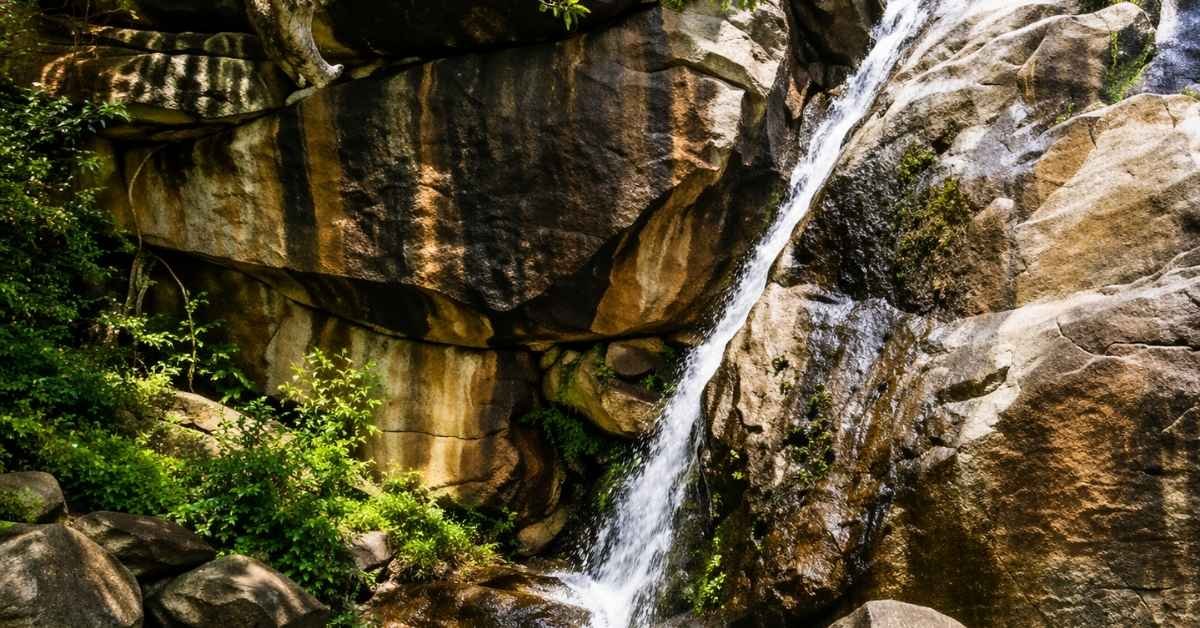
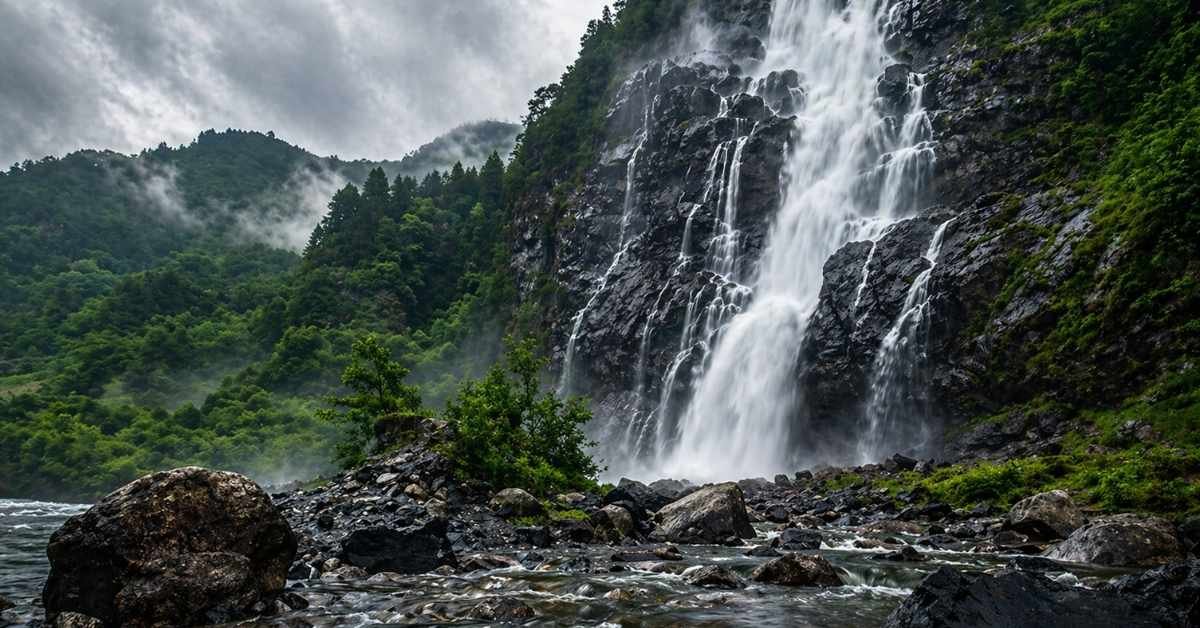
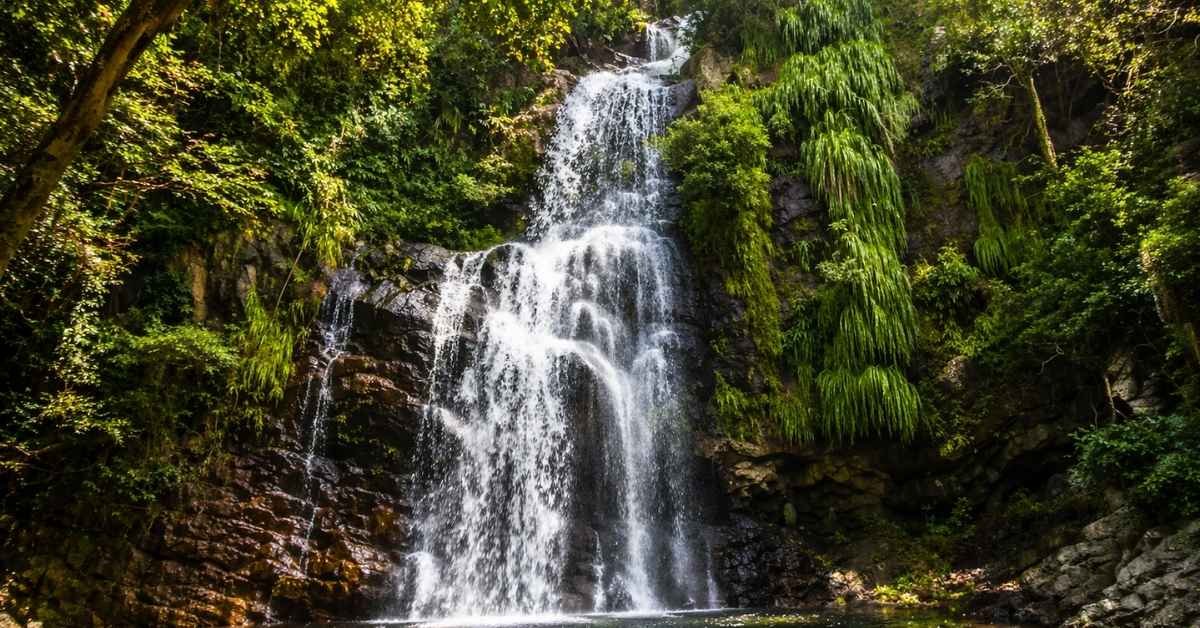
Karkat Waterfall is a 100-foot high, 300-foot wide waterfall on the Karmanasa River in Kaimur district, Bihar. It is inside the Kaimur Wildlife Sanctuary and is being developed as a Crocodile Conservation Reserve. Best visited between October and March.
The Karmanasa River cuts through the rocky hills of Kaimur and drops into a wide, thundering sheet of water. This is Karkat Waterfall, and it is one of Bihar’s most underrated natural wonders.
What makes it different from other waterfalls in India? Crocodiles. The British used this very spot as a hunting ground in the colonial era. Even British officer Henry Ramsay called it one of the finest waterfalls he had ever seen.
Today, Bihar Government is working to protect this place as a full Crocodile Conservation Reserve.
The Hidden History & Crocodile Reserve of Karkatgarh
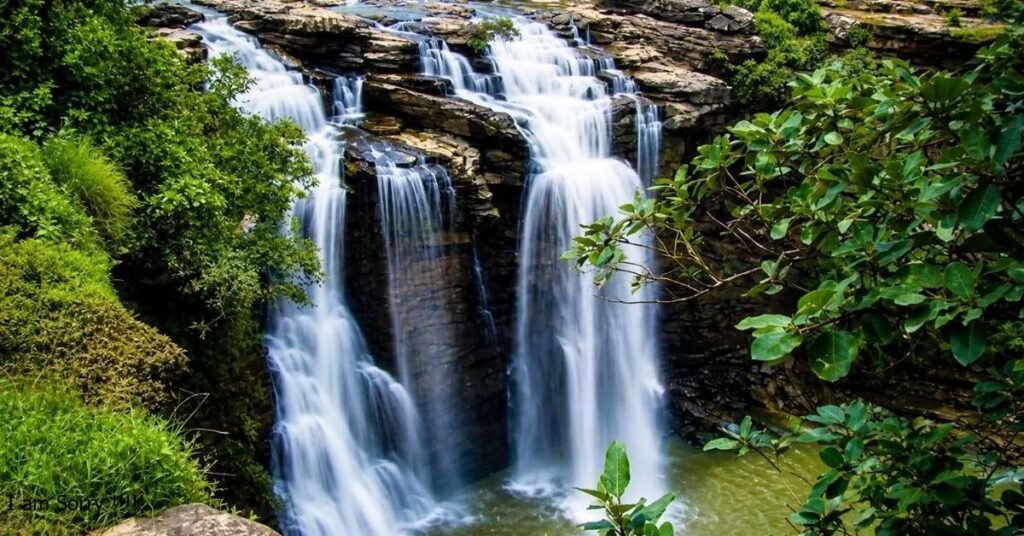
Most people have never heard of Karkatgarh. That is exactly what makes it special.
This waterfall is not just a pretty drop of water. It carries centuries of history in its mist.
A River With a Story
The Karmanasa River is the lifeline of this whole area. It flows through the rocky Kaimur hills and then falls dramatically at Karkatgarh village in Chainpur block, Kaimur district. The river itself sits right on the border of Bihar and Uttar Pradesh, making this a truly unique geographical spot.
What the British Saw Here
During the British era, this place was actively used as a crocodile hunting ground. Colonial officers would travel to this remote corner of Bihar specifically for the hunt.
One name stands out from that period. British officer Henry Ramsay visited Karkatgarh and was so struck by its beauty that he called it one of the finest waterfalls he had ever seen. That praise, from a man who had seen much of colonial India, says a great deal about this place.
A old Dak Bungalow still stands near the waterfall, a quiet reminder of those colonial-era visits.
From Hunting Ground to Conservation Reserve
The story has taken a full turn. The same river that was once hunted is now being actively protected.
Karkat Waterfall is part of the Kaimur Wildlife Sanctuary. The Bihar Government is now developing this area as a dedicated Crocodile Conservation Reserve, giving these ancient reptiles a safe and protected home.
Best Time to Visit & Important Safety Tips
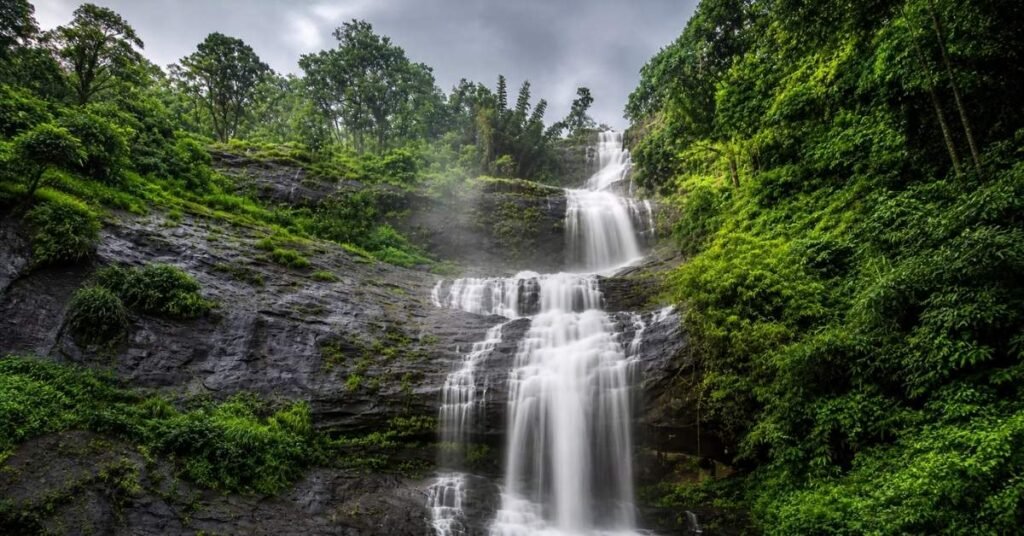
October to March is the window you want. The monsoon has passed, the water flow is at its most powerful and beautiful, and the weather is cool enough to actually enjoy the trek and the views.
Avoid visiting during and right after heavy monsoon months. The water levels get dangerously unpredictable, and forest paths become difficult to navigate safely.
When to Go (Quick Breakdown)
- October to March: Best time. Strong water flow, pleasant weather, clear views.
- April to June: Hot and dry. Water flow reduces significantly.
- July to September: Monsoon season. Roads and trails can become unsafe.
Safety Tips You Must Not Ignore
This is not your average tourist waterfall. There are real risks here, and they deserve serious attention.
- Do not swim in the river or near the waterfall. Crocodiles are present in the Karmanasa River.
- Stay within marked zones. This area falls inside a protected wildlife sanctuary.
- Do not venture into the forest alone. Always go with a local guide or forest department permission.
- Keep children close at all times near the water’s edge.
- Carry enough water and snacks. There are no shops or stalls inside the sanctuary area.
How to Reach Karkat Waterfall, Bihar
Karkatgarh is remote. That is part of its charm. But getting there requires a little planning, especially if you are coming from a major city.
Distance at a Glance
| Starting Point | Approximate Distance | Suggested Mode |
| Patna | ~210 km | Road or Train + Taxi |
| Varanasi | ~100 km | Road or Train + Taxi |
| Bhabua (District HQ) | ~40-50 km | Road |
By Train
The nearest major railway station is Bhabua Road Station, Mohania. It sits on the Grand Chord line and is well connected to both Patna and Varanasi. From Mohania, you will need to hire a local taxi or auto to reach Karkatgarh village in Chainpur block.
You can check train schedules and book tickets directly on the Indian Railways official website.
By Road
Road is the most flexible option, especially if you are traveling in a group.
- From Patna: Take NH 19 towards Sasaram, then head towards Kaimur. Total distance is roughly 210 km.
- From Varanasi: Cross into Bihar via the UP border route. The waterfall is close to the UP border, making Varanasi a very convenient base.
- From Bhabua: The district headquarters is your last major stop before the waterfall. From here, local transport or a hired vehicle will take you the remaining 40-50 km to the site.
The final stretch towards Karkatgarh village runs through forest terrain, so a sturdy vehicle is always a better choice.
Planning a Road Trip in India?
Stop guessing! Calculate your exact fuel cost for Petrol, Diesel, CNG, or EV trips instantly.
🚗 Calculate Fuel Cost NowTop Places to Visit Near Kaimur District
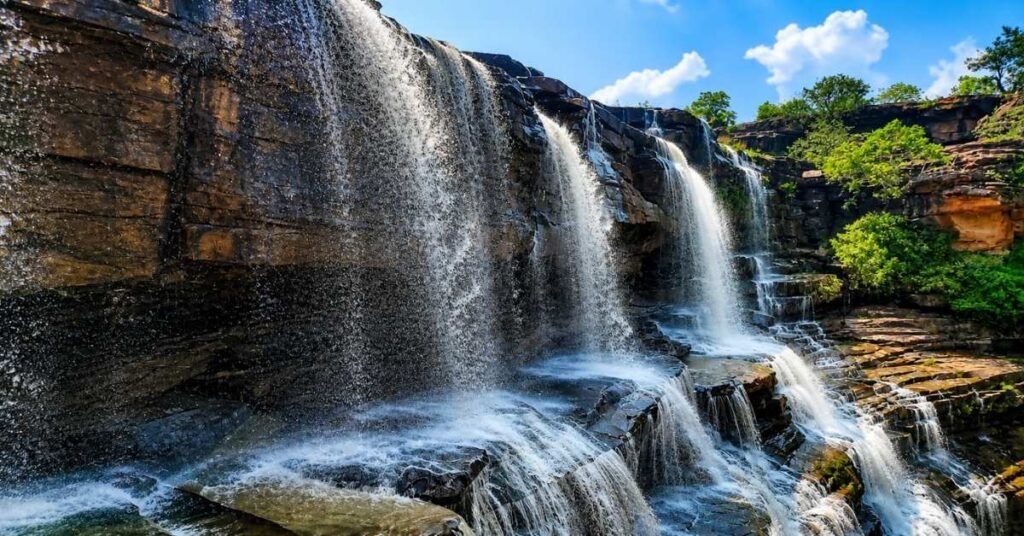
A trip to Karkat Waterfall becomes much more rewarding when you pair it with the other gems that Kaimur district has to offer. All three places below are within the same region and can be covered in a single extended trip.
Kaimur Wildlife Sanctuary
The waterfall itself sits inside this sanctuary, so you are already here. But the sanctuary is much larger than just the waterfall zone.
It stretches across a significant part of the Kaimur hills and is home to a wide range of wildlife. The dense forest cover, rocky terrain, and the Karmanasa River running through it make this one of Bihar’s most important protected areas. If you have extra time, exploring more of the sanctuary with a forest guide is absolutely worth it.
Telhar Kund
Telhar Kund is another waterfall located within Kaimur district and is listed as a key attraction on the Bihar Tourism official website.
It draws visitors who want to see more of the natural water formations that the Kaimur hills produce. The setting is rugged and raw, much like Karkat Waterfall, making it a great addition to your itinerary if you are already in the district.
Mundeshwari Temple
This is not just any temple. Mundeshwari Temple in Kaimur is widely regarded as one of the oldest functional temples in India.
Built on top of a hill, the temple dedicated to Lord Shiva and Goddess Shakti has been an active place of worship for centuries. The architecture is ancient, the views from the hilltop are open and wide, and the spiritual atmosphere is unlike anything you will find in a modern temple. It is a must-visit for history lovers and pilgrims alike.
Where to Stay: Hotels Near Karkat Waterfall

Kaimur is an emerging destination. The waterfall area itself has no hotels or guesthouses inside the forest zone, so you will need to base yourself in one of the nearby towns. The good news is that both Bhabua and Mohania offer clean, budget-friendly options that work perfectly for a travel base.
Plan your stay in town, make an early morning drive to the waterfall, and return before dark. That is the smartest way to structure your trip here.
Staying in Mohania (Closest to Railway Station)
- Hotel Kaimur Vihar, Mohania is a Bihar Tourism registered property, which makes it a reliable and safe choice for first-time visitors to the region. Being in Mohania keeps you close to Bhabua Road railway station, which is useful if you are arriving by train.
Staying in Bhabua (District Headquarters)
- Hotel Kohinoor, Bhabua is a well-rated budget stay located in the district headquarters. Bhabua is the main town in Kaimur district, so you will also find basic amenities, local eateries, and shops here.
Things to Keep in Mind
- Do not expect luxury resorts or branded hotel chains in this area. Kaimur is still developing its tourism infrastructure.
- Book your stay in advance, especially during the October to March peak season, as options are limited.
- Carry cash. ATM availability may be limited once you move away from the main towns.
- The old Dak Bungalow near the waterfall exists but is not a public accommodation option for regular tourists.
Final Thoughts on Visiting Kaimur
Karkat Waterfall is the kind of place that rewards travelers who are willing to go a little off the beaten path. The history, the wildlife, the roaring Karmanasa River, and the sheer scale of the waterfall make it one of Bihar’s most compelling natural destinations.
Go with a plan, respect the forest rules, and leave nothing behind except footprints. This ecosystem is fragile and actively being protected. Every visitor who treats it responsibly helps ensure it stays beautiful for those who come after.
Frequently Asked Questions
Q1. What is Karkat Waterfall and where is it located?
Karkat Waterfall is a 100-foot high and 300-foot wide waterfall formed by the Karmanasa River in Karkatgarh village, Chainpur block, Kaimur district, Bihar. It falls inside the Kaimur Wildlife Sanctuary near the Uttar Pradesh border.
Q2. Is it safe to visit Karkat Waterfall?
Yes, but with caution. Swimming is strictly not recommended as crocodiles are present in the Karmanasa River. Always visit with a local guide, stay within marked zones, and carry your own food and water as no shops are available inside the sanctuary.
Q3. What is the best time to visit Karkat Waterfall?
October to March is the best time to visit. The weather is pleasant, the water flow is strong and scenic, and forest trails are easier to navigate after the monsoon season ends.
Q4. How far is Karkat Waterfall from Varanasi and Patna?
Karkat Waterfall is approximately 100 km from Varanasi and around 210 km from Patna. The nearest major railway station is Bhabua Road at Mohania, which connects to both cities.
Q5. Are there crocodiles at Karkat Waterfall?
Yes. The Karmanasa River has crocodiles, which is why the Bihar Government is developing this area as a dedicated Crocodile Conservation Reserve. Visitors must not enter the water under any circumstances.
Q6. What other places can I visit near Karkat Waterfall?
Within Kaimur district, you can visit Telhar Kund waterfall, the ancient Mundeshwari Temple, and explore the broader Kaimur Wildlife Sanctuary. All three are worth adding to your itinerary during the same trip.