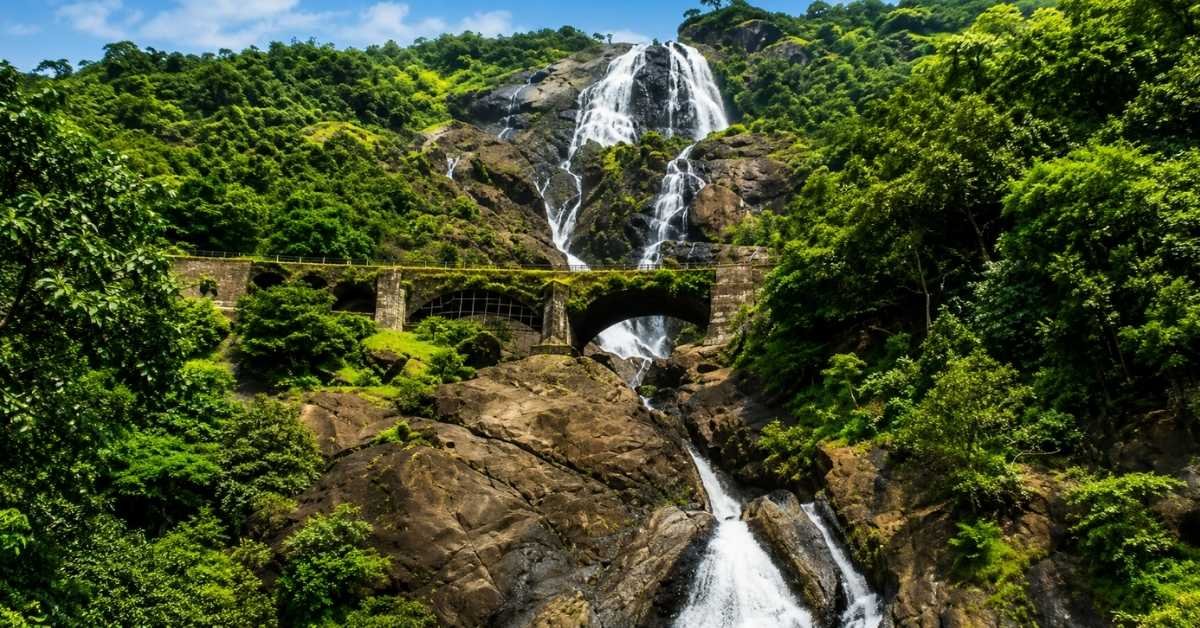
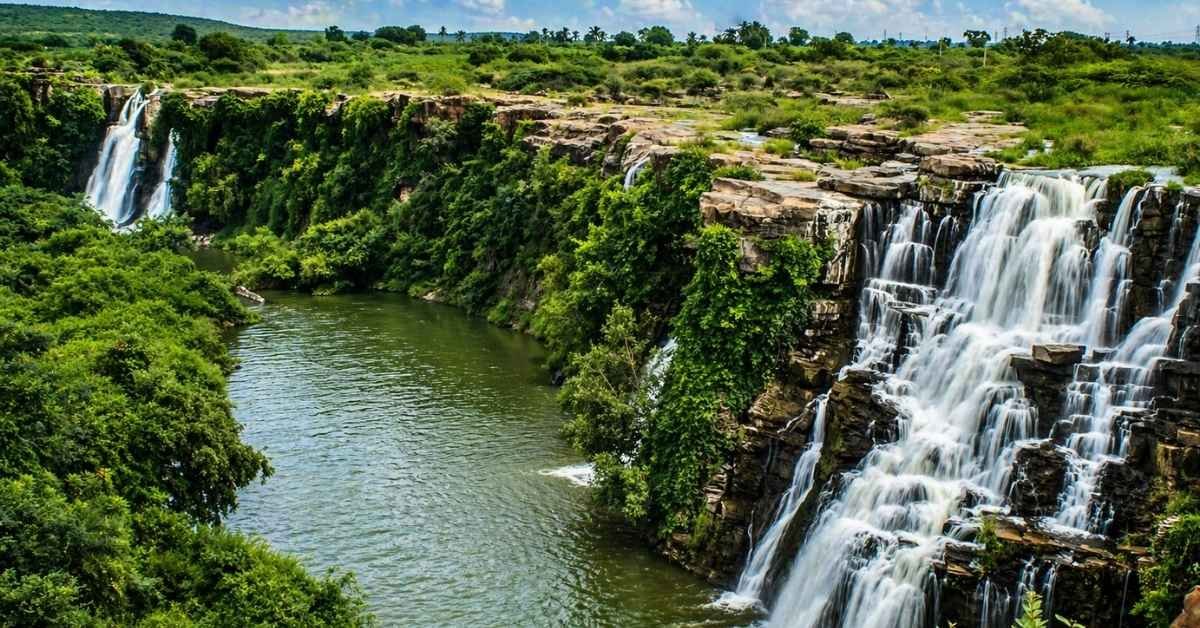
Bihar’s best waterfalls are Kakolat (Nawada), Karkatgarh, Durgavati Falls, Kashish, Telhar Kund, Tutla Bhawani, Manjhar Kund, Dhua Kund, and Tons Waterfall. They are spread across Kaimur and Rohtas districts, best explored as a two-plateau road trip circuit through southern Bihar.
Most people think Bihar is just ancient temples and Ganga ghats. They are dead wrong.
Tucked inside the Kaimur and Rohtas plateaus is a chain of raw, thundering waterfalls that barely show up on tourist maps. Each bihar waterfall on this list drops into jungle-carved gorges where crocodiles sun themselves and pilgrims bathe in sacred mist. This is not one waterfall. This is a full circuit. And it will change how you see this state.
The Kaimur Plateau Circuit: Untouched Eco-Tourism

The Kaimur hills are not on most travel itineraries. That is exactly why you should go.
This western plateau of southern Bihar is still raw, still quiet, and still largely undiscovered. The roads get rough, the jungle gets thick, and the waterfalls get absolutely spectacular. If you love places that feel genuinely off the beaten path, start your circuit here.
Karkatgarh Waterfall
This one stops you cold.
Karkatgarh Waterfall crashes 100 feet down and spreads an extraordinary 300 feet wide across the Karmanasa River. During the monsoon, the width of the fall is almost hard to believe. It feels more like a wall of water than a single stream.
What makes Karkatgarh extra special right now is its future. The area is actively being developed as a crocodile conservation reserve. That means you may spot mugger crocodiles basking along the rocky banks. This is wild, living nature, not a theme park.
| Detail | Info |
| Height | 100 ft |
| District | Kaimur |
| Best Feature | 300 ft wide curtain drop + crocodile sightings |
| Trek Difficulty | Easy |
Telhar Kund
Do not let the modest height fool you.
Telhar Kund drops 80 feet into a plunge pool carved deep at the base of the Durgavati River. The real drama here is not the fall itself but the sheer cliffs that wrap around it on both sides. You feel enclosed, like the plateau is folding in on you.
The nearby Karamchat Dam adds a unique layer to this spot. The surrounding water body and forest make it a genuinely peaceful place to sit and breathe for a while. Families visiting Kaimur hills tourism often pair this with Karkatgarh on the same day trip.
| Detail | Info |
| Height | 80 ft |
| District | Kaimur |
| Best Feature | Dramatic cliff walls around the plunge pool |
| Trek Difficulty | Easy |
Durgavati Falls (Kadhar Koh)
This is where the Kaimur circuit saves its biggest punch.
Durgavati Falls, also known as Kadhar Koh, plunges a full 260 feet from the sharp edge of the Rohtas Plateau straight into a deep, shadowy glen below. Standing at the viewpoint, the drop feels violent and beautiful at the same time.
The Rohtas-Kaimur border location makes this a perfect bridge point between the two plateau circuits. It is taller than most waterfalls in eastern India and somehow still flies under the radar. Trek down carefully, the terrain gets steep fast.
| Detail | Info |
| Height | 260 ft (80 meters) |
| District | Kaimur/Rohtas Border |
| Best Feature | Dramatic plateau-edge drop into a deep glen |
| Trek Difficulty | Moderate |
The Rohtas Hills Circuit: Spiritual Sites and High Drops
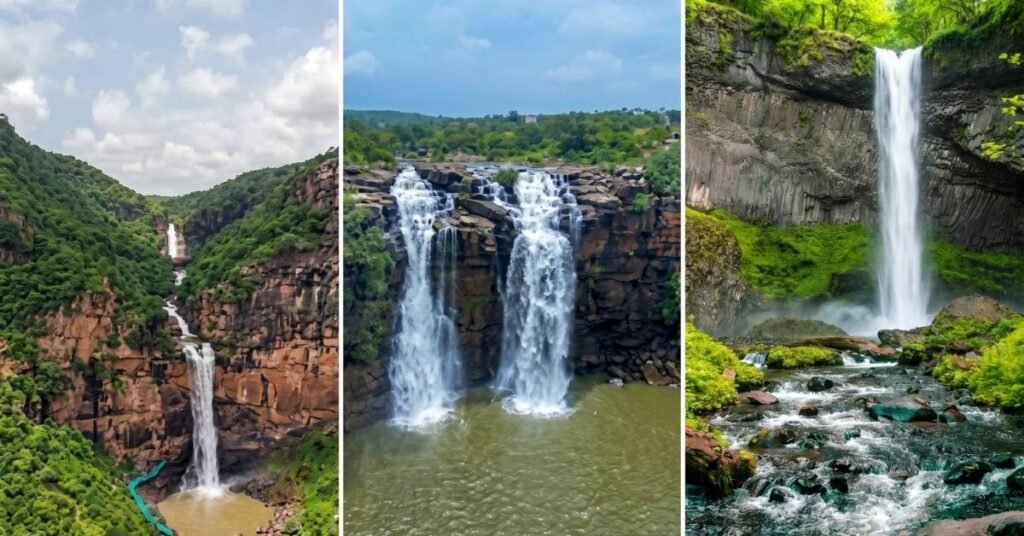
The Rohtas plateau hits differently.
Where Kaimur gives you raw wilderness, Rohtas gives you something layered. These waterfalls carry stories. Some are tied to ancient temples. Some are gathering places for communities. Some are so tall they make your stomach drop just looking up. This circuit is for people who want their nature trip to mean something.
A real heads-up before you go: Rohtas waterfalls are stunning but demand respect. Rocks near the base get extremely slippery after rainfall. Flash water flows can rise without much warning during heavy monsoon. Stay behind marked points, wear grip footwear, and never enter the water during or right after heavy rain.
Now, on to the falls.
Tutla Bhawani Waterfall (Tutla Dham)
Few picnic spots in Rohtas Bihar feel as complete as this one.
Tutla Bhawani is built around the Kachhuar river and carries serious spiritual weight. The site is a major devotional center, drawing families and pilgrims who come not just to see the waterfall but to seek blessings at the Bhawani temple nearby. The energy here is warm, communal, and deeply rooted.
What makes the journey even more memorable is the suspension bridge you cross to reach the falls. It sways gently over the river gorge and gives you a full open view of the water below. Kids love it, and honestly, so do adults.
| Detail | Info |
| Height | Not officially recorded |
| District | Rohtas |
| Best Feature | Suspension bridge + active spiritual center |
| Trek Difficulty | Easy |
Planning a Road Trip in India?
Stop guessing! Calculate your exact fuel cost for Petrol, Diesel, CNG, or EV trips instantly.
🚗 Calculate Fuel Cost NowManjhar Kund and Dhua Kund
These twin falls are hiding a surprisingly rich cultural story.
Located just 10 kilometers from Sasaram Junction, Manjhar Kund and Dhua Kund are among the most accessible hidden tourist places in Bihar. The mist here is thick enough that Dhua Kund, meaning smoky pond, earns its name every single monsoon season.
What sets this spot apart is the Sikh community tradition tied to it. After Raksha Bandhan, a large local mela takes place here. The water from these falls is locally believed to support mineral digestion and gut health. Whether or not you believe it, watching hundreds of families gather here with that kind of faith is genuinely moving.
| Detail | Info |
| Height | Not officially recorded |
| District | Rohtas |
| Best Feature | Post-Raksha Bandhan Sikh community mela |
| Trek Difficulty | Easy |
Kashish Waterfall
Nothing on this entire circuit prepares you for Kashish.
Located in Amjhore, Rohtas, this multi-tier giant drops approximately 800 feet across several cascading levels. That alone would make it remarkable. But Kashish goes further. Water pours in from four different directions, meaning no matter where you stand, you are surrounded by falling water on multiple sides.
This is not a casual stop. The terrain is steep and demanding. First-time trekkers should go with a local guide and never attempt the descent alone. But for experienced hikers chasing the best waterfalls in Bihar, Kashish is the undisputed crown jewel of this entire road trip.
| Detail | Info |
| Height | ~800 ft (multi-tier) |
| District | Rohtas (Amjhore) |
| Best Feature | Water falling from 4 directions simultaneously |
| Trek Difficulty | Hard |
Beyond the Plateaus: Nawada and Champaran
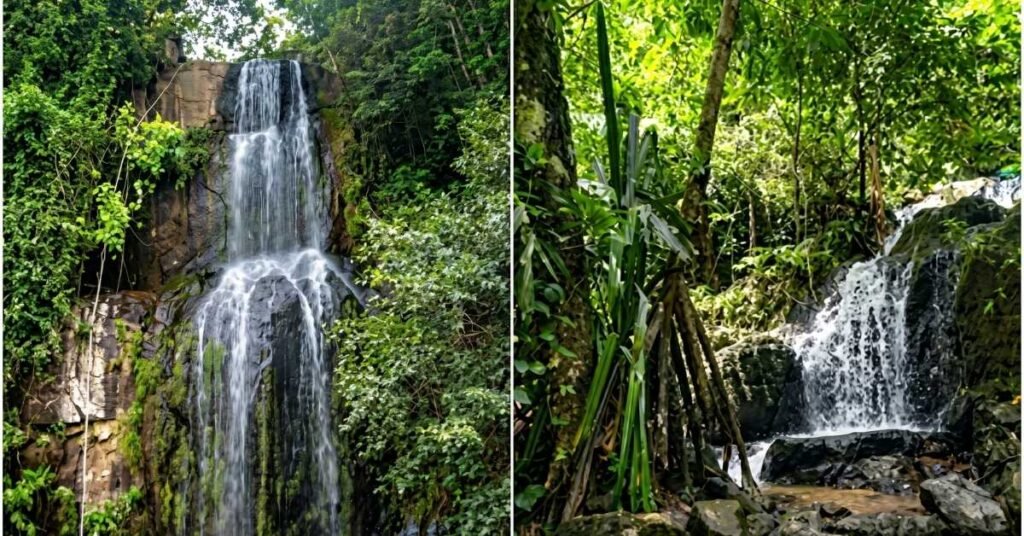
The Kaimur and Rohtas circuits cover the heart of Bihar’s waterfall country. But two more falls deserve a spot on your radar, and they sit in completely different corners of the state.
Kakolat Waterfall
Kakolat carries a story that goes all the way back to the Treta Yug.
Legend says a king was cursed to live as a python near these falls. He was finally freed from that curse only after bathing in Kakolat’s sacred waters. That myth has kept pilgrims and curious travelers coming here for centuries.
The waterfall itself drops between 150 and 160 feet into a wide natural pool in Nawada district. That pool is what makes Kakolat stand out from every other bihar waterfall on this list. It is genuinely safe for swimming during the right season, and locals have been doing it for generations. If you want one waterfall where you can actually get in the water, this is it.
| Detail | Info |
| Height | 150-160 ft |
| District | Nawada |
| Best Feature | Natural swimming pool + Treta Yug mythology |
| Trek Difficulty | Easy |
Tons Waterfall
For travelers who genuinely love going where nobody else goes, Tons is your reward.
Tucked inside West Champaran district near the Indo-Nepal border, Tons Waterfall is peaceful in a way that feels almost accidental. There are no crowds, no vendors, and no noise. Just water, forest, and silence. It pairs well with a visit to Valmiki National Park if you are already in that part of Bihar.
| Detail | Info |
| Height | Not officially recorded |
| District | West Champaran |
| Best Feature | Remote, crowd-free, near Indo-Nepal border |
| Trek Difficulty | Easy to Moderate |
Important Safety Tips for Visiting Bihar Waterfalls
- Wear proper trekking shoes with grip. Wet rocks near every fall here are extremely slippery.
- Avoid entering water during peak monsoon months. Currents become dangerous fast and without warning.
- Carry your own snacks and water. Local shops near remote falls like Kashish and Tons are very limited or nonexistent.
- Visit with at least one local guide for Hard-rated treks. Kashish especially should never be done solo.
- Start early in the morning. Most of these locations have no lighting and trails get harder to read after 4 PM.
Final Thoughts
Bihar’s waterfalls are not waiting to be discovered. They are waiting for you to stop making excuses.
Pack your trekking shoes, charge your phone offline, and pick your circuit. The Kaimur plateau, the Rohtas hills, Nawada, Champaran, each one delivers something the other cannot. This is one of those road trips where every stop earns its place. Go before everyone else figures that out.
Frequently Asked Questions About Bihar Waterfalls
Which is the most famous waterfall in Bihar?
Kakolat Waterfall in Nawada district is the most well-known waterfall in Bihar. It drops between 150 and 160 feet and has a natural swimming pool at its base. Its mythological connection to the Treta Yug also makes it a popular spot for pilgrims and tourists alike.
What is the best time to visit waterfalls in Bihar?
The best time to visit Bihar waterfalls is from August to November. Monsoon fills the falls to their peak, but visit after heavy rain settles for safer trekking conditions. October and November offer the best mix of full water flow and manageable trails.
Which is the highest waterfall in Bihar?
Kashish Waterfall in Amjhore, Rohtas district, is the tallest waterfall in Bihar at approximately 800 feet across multiple tiers. Water falls from four different directions making it a truly unique natural formation.
Are Bihar waterfalls safe for families with children?
Yes, several Bihar waterfalls are family-friendly. Kakolat, Tutla Bhawani, and Manjhar Kund are all rated easy and suitable for children. Avoid hard-rated treks like Kashish with young kids and always stay away from deep water zones during monsoon season.
How do I reach Karkatgarh Waterfall in Kaimur?
Karkatgarh Waterfall is located in Kaimur district on the Karmanasa River. The nearest major town is Mohania. From there, local transport or a hired vehicle can take you to the waterfall. It is best to hire a local guide as road signage in the area is limited.
What makes Rohtas district special for waterfall tourism in Bihar?
Rohtas district has the highest concentration of waterfalls in Bihar. It includes Kashish, Tutla Bhawani, Manjhar Kund, and Dhua Kund all within driving distance of Sasaram. The mix of spiritual sites, dramatic plateau drops, and community festivals makes Rohtas the single best district for waterfall tourism in the state.