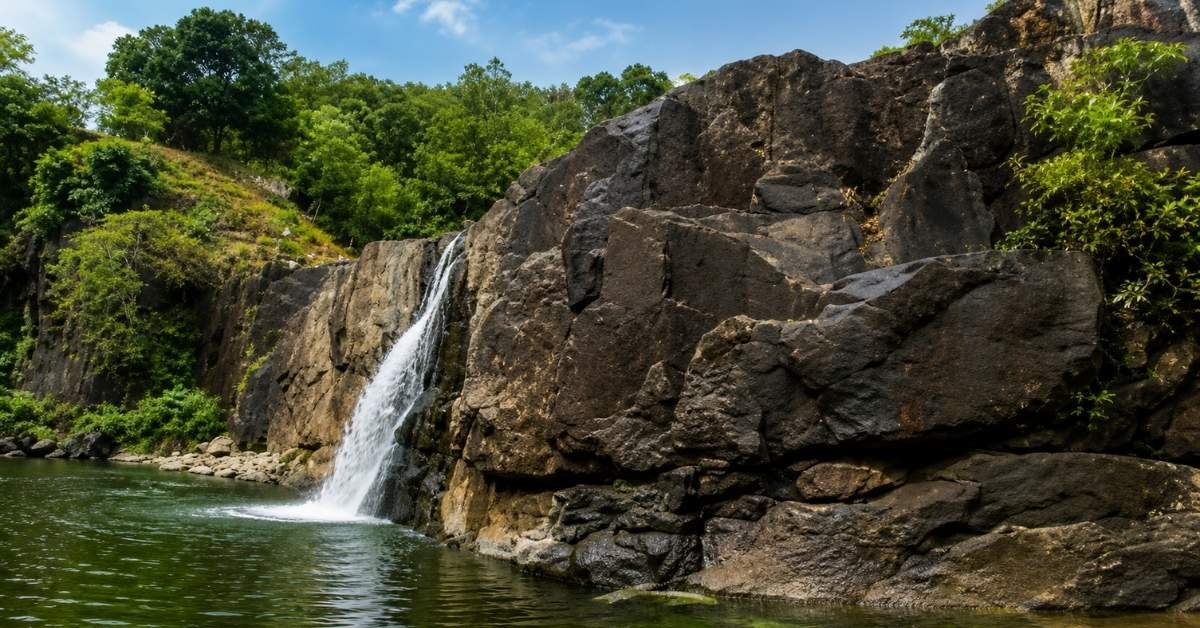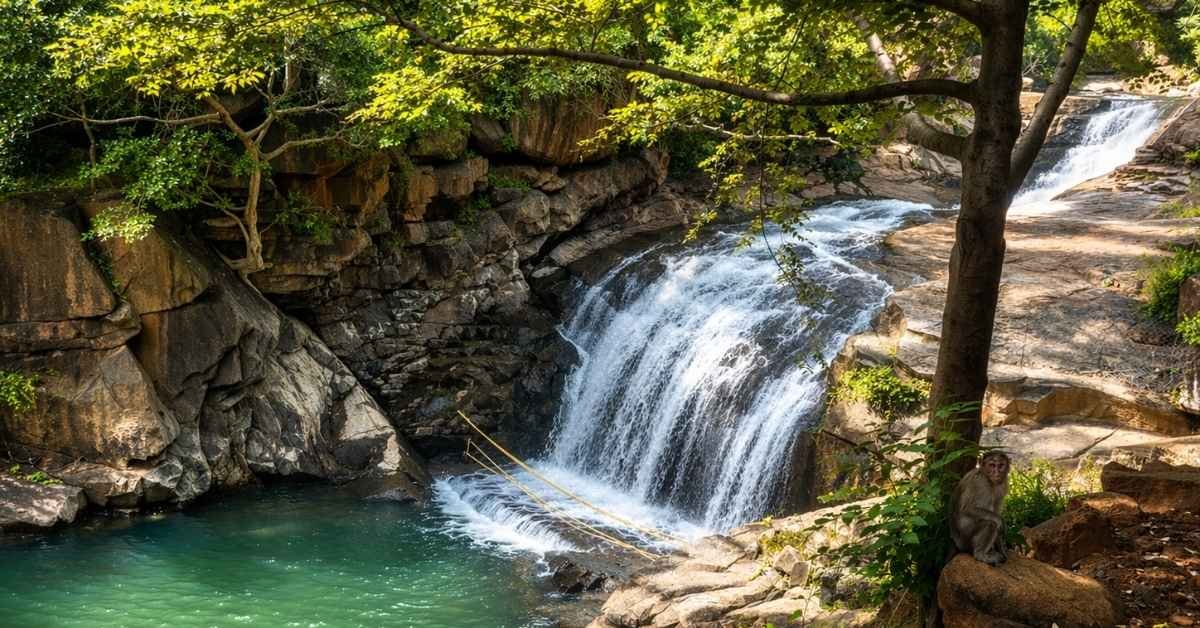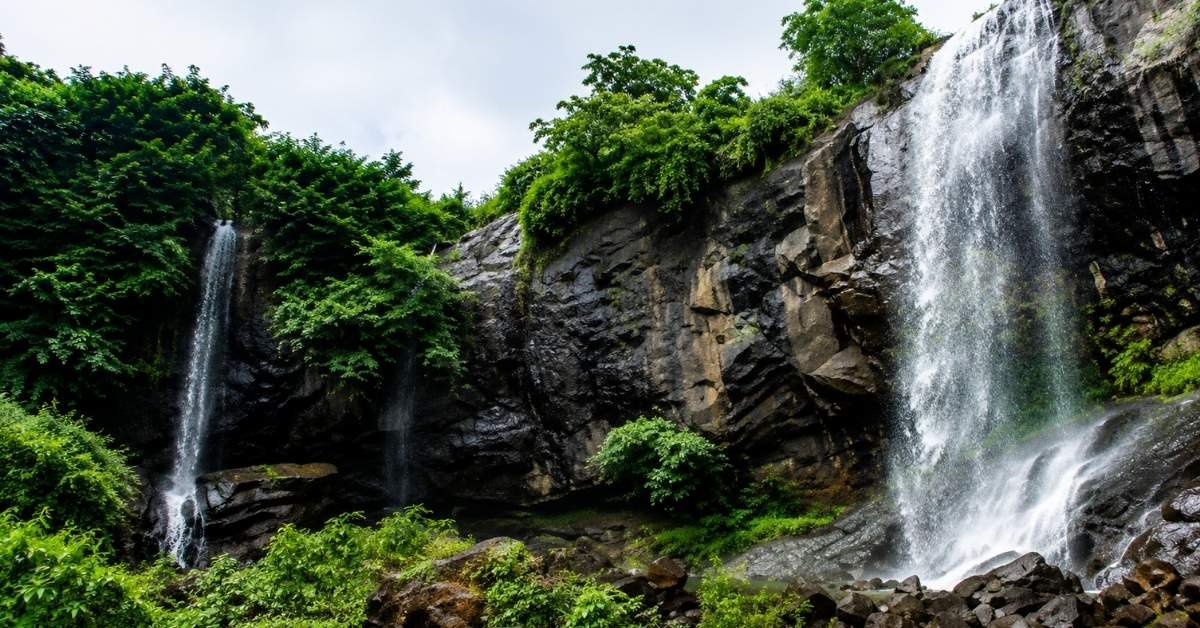
Juinagar Waterfall (also called Shirvane Waterfall) is a peaceful monsoon spot in Shiravane village, Nerul, Navi Mumbai. It is just 2.5 to 3 km from Juinagar Railway Station on the Harbour Line. No heavy trekking needed. A ₹20 auto ride and a short walk gets you there.
This blog covers everything you need to plan your visit: exact location, how to reach, what to carry, and tips to make the most of your trip without any last-minute confusion.
Most people searching for waterfalls near Mumbai end up at crowded spots and come back tired and disappointed. Juinagar Waterfall is different. It is quiet, green, and genuinely refreshing. Whether you are planning a solo morning trip or a quick weekend escape with friends, this guide gives you all the real, on-ground details from transport to safety.
Why Juinagar Waterfall is Navi Mumbai’s Hidden Gem
Most waterfall spots near Mumbai have one big problem: too many people. Take Kalu Waterfall, for example. On any given weekend during monsoon season, it gets flooded with visitors, loud music, and long queues just to get a decent spot near the water. The experience often feels more like a mela than a nature escape.
Juinagar Waterfall is the opposite of that.
The crowd here is thin, even on weekends. The atmosphere is calm. You can actually hear the water falling. This alone makes it worth the trip for anyone who wants a real break from city noise.
The No-Trek Advantage
One of the biggest reasons locals love this spot is how easy it is to reach. Bikes can go all the way to the base of the waterfall. After that, it is just a flat 5 to 10 minute walk. No steep climbs. No slippery jungle paths. No fitness level required.
This makes it a great choice for families with kids, older visitors, or anyone who just wants a relaxed outing without turning it into a workout.
Rare Butterflies and Untouched Green
What makes Shirvane Waterfall genuinely special is its natural setting. The area around it has specific plant species that attract rare butterflies. You will not find this at most waterfall spots near Mumbai. If you carry a camera, this alone gives you stunning shots that look nothing like the usual tourist waterfall photos.
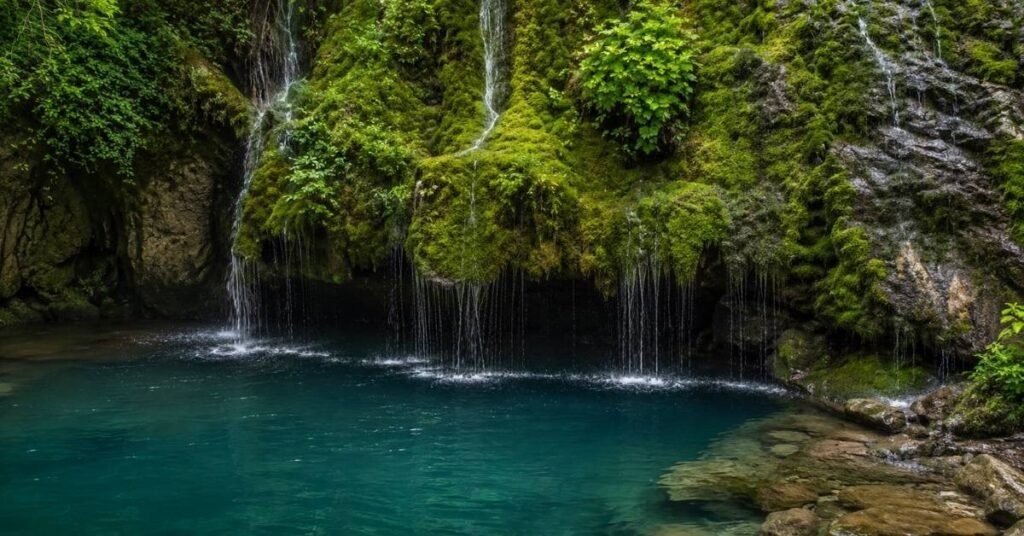
The greenery here during July to September is thick and lush. The water is clean. The air feels different. It is the kind of place that reminds you why Mumbai’s outskirts are still worth exploring.
For more waterfall and nature spots across Maharashtra, you can check Maharashtra Tourism’s official website for verified and updated travel information.
How to Reach Juinagar Waterfall Step-by-Step
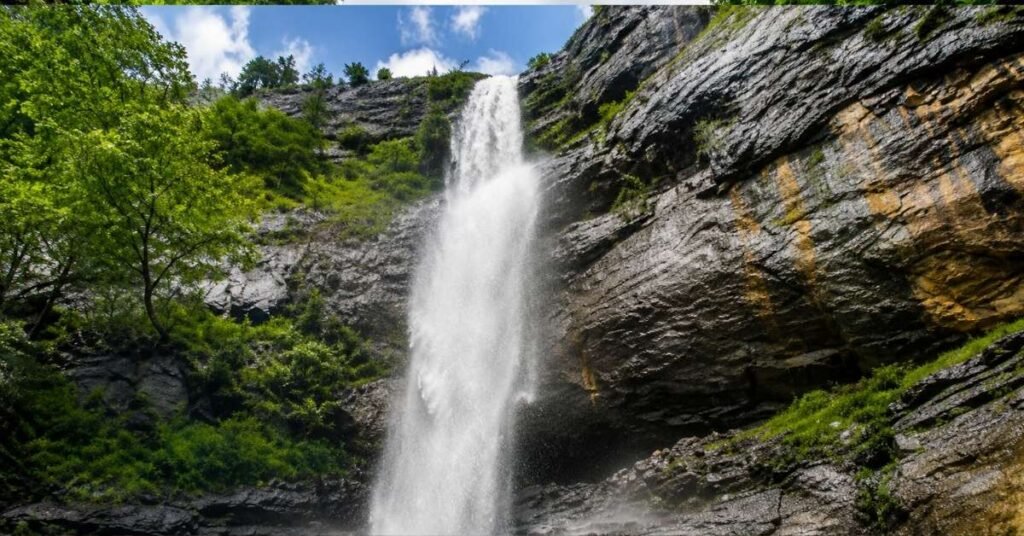
Getting to Juinagar Waterfall is straightforward. No complicated routes, no confusing transfers. Here is every option laid out clearly.
Option 1: By Train (Best Option)
Take the Harbour Line local train to Juinagar Railway Station. This station is well connected from CST (Chhatrapati Shivaji Maharaj Terminus), Panvel, and Belapur. You can check live train schedules and fares on the Indian Railways official website.
Once you exit the station, the waterfall is 2.5 to 3 km away.
Option 2: Sharing Auto from Juinagar Station
Right outside Juinagar station, sharing autos are available. These go towards Shiravane village for around ₹20 per person. This is the most common and cheapest way locals use to reach the waterfall area.
The auto drops you close to the base. After that, a flat 5 to 10 minute walk takes you to the waterfall.
Option 3: Personal Bike or Two-Wheeler
If you are coming by bike, this is actually the most comfortable option. Bikes can ride all the way to the base of the waterfall. You skip the auto wait and the walk is minimal.
Parking at the base is informal but manageable, especially if you go early.
Quick Reference Table
| Mode of Transport | Starting Point | Approximate Cost | Time to Waterfall |
| Local Train + Auto | CST / Panvel | ₹20 to ₹50 (train + auto) | 45 min to 1.5 hrs |
| Sharing Auto | Juinagar Station | ₹20 per person | 10 to 15 mins |
| Personal Bike | Anywhere in Mumbai | Fuel cost only | Depends on your location |
Final Walk to the Waterfall
No matter how you arrive, the last stretch is a short, flat walk of 5 to 10 minutes. Wear comfortable footwear. The path is not paved but it is not difficult either.
What to Expect When You Arrive
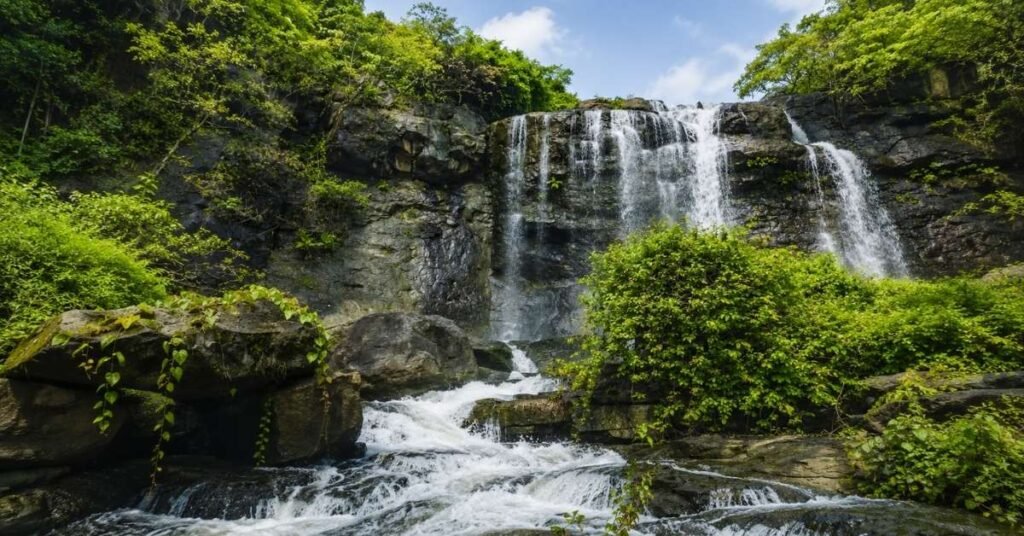
Juinagar Waterfall transforms completely during monsoon season. From July to September, the water flow is strong, the surroundings turn a deep shade of green, and the whole place feels alive. This is the only time of year worth visiting. Outside of monsoon, the waterfall is either very weak or completely dry.
When you reach the base, the waterfall greets you with a natural pool area where visitors sit, relax, and enjoy the view. It is not a massive waterfall by any standard, but the setting around it makes up for everything. The trees, the butterflies, the sound of water, it all comes together in a way that feels genuinely refreshing.
One Important Thing: No Food Stalls Here
Do not expect any chai tapri, snack vendor, or shop near the waterfall. There are none. This is both a downside and the reason the place stays clean and peaceful.
Carry everything you need before you leave home.
Facilities Available vs. Not Available
| Available | Not Available |
| Natural water pool | Food stalls or vendors |
| Open green space to sit | Paid parking |
| Basic entry (free) | Changing rooms |
| Scenic photo spots | Dustbins or waste disposal |
| Butterfly sightings in season | Guides or signboards |
Weekday vs. Weekend Experience
On weekdays, the place is almost empty. You will likely have the waterfall mostly to yourself. On weekends, especially Sunday mornings, small groups of visitors start arriving by 9 AM onwards.
Going early on weekdays gives you the best, most peaceful version of this waterfall. If weekends are your only option, arrive before 8 AM to get ahead of the crowd.
Planning a Road Trip in India?
Stop guessing! Calculate your exact fuel cost for Petrol, Diesel, CNG, or EV trips instantly.
🚗 Calculate Fuel Cost NowSafety Tips and Best Time to Visit
Best Time to Visit
The waterfall is at its best from July to September. This is when rainfall in Navi Mumbai is consistent and the water flow is strong enough to make the trip worth it.
Within those months, the best time of day to arrive is between 7 AM and 9 AM. Here is why:
- The weather is cooler and more comfortable
- Crowds have not built up yet
- Lighting is beautiful for photos
- You get the waterfall mostly to yourself
- You can leave before midday heat kicks in
Avoid visiting after heavy overnight rain without checking conditions first. Water levels can rise quickly and paths can get slippery without warning.
Safety Tips You Should Not Skip
Watch your step near the rocks. The rocks around the waterfall get extremely slippery during monsoon. Wet moss on flat rocks is harder to spot than it looks. One wrong step can cause a bad fall. Walk slowly and test each step before putting your full weight on it.
Broken glass is a real hazard. Some visitors leave behind broken bottles and litter near the waterfall area. Wear proper closed shoes, not slippers or flip flops. Check where you are sitting before you settle down.
Do not enter deep water. The natural pool at the base looks calm but currents during heavy rain can be unpredictable. Stay in shallow areas and keep children close.
Go in a group if possible. The area is generally safe but it is a semi-isolated natural spot. Going with at least one other person is always smarter than going alone.
Carry a fully charged phone. Network coverage in the area can be patchy. Download an offline map before you leave home so you do not get confused on the way.
Things to Carry to Juinagar Waterfall
Since there are zero shops or stalls near the waterfall, packing right before you leave is non-negotiable. This checklist keeps it simple.
Your Complete Packing Checklist
Water and Food
- At least 1 litre of water per person (more if visiting in peak summer months at the edges of monsoon season)
- Light snacks like biscuits, dry fruits, sandwiches, or energy bars
- Avoid carrying glass bottles
Clothing and Footwear
- Closed-toe shoes or trekking sandals with grip
- A spare set of clothes if you plan to get wet near the pool
- Light rain jacket or poncho for sudden showers
Essentials
- Fully charged mobile phone
- Offline map downloaded before leaving (Google Maps works well offline)
- Small first aid kit with band-aids and antiseptic
- Sunscreen if you plan to stay past 10 AM
Responsible Travel
- A small garbage bag to carry your own waste back
- Reusable water bottles instead of single-use plastic
- Nothing that you would not want to carry back out
One Rule Worth Following
Whatever you bring in, carry it back out. The waterfall stays clean because not everyone litters here. Be one of the visitors who keeps it that way. A small garbage bag weighs almost nothing but makes a real difference to the place.
Final Thoughts
Juinagar Waterfall is the kind of place that does not need any hype to impress you. It is simple, accessible, and genuinely peaceful. For anyone living in Mumbai or Navi Mumbai who wants a quick nature reset without burning a full weekend, this spot delivers exactly that.
The fact that it requires no trekking, costs almost nothing to reach, and stays less crowded than most waterfall spots near Mumbai makes it a rare find. Go early, carry your own food and water, wear proper shoes, and leave the place cleaner than you found it.
That is really all it takes to have a great visit.
Frequently Asked Questions
1. What is Juinagar Waterfall also known as?
It is officially known as Shirvane Waterfall or Shiravane Waterfall. It is located in Shiravane village, Nerul, Navi Mumbai.
2. How far is Juinagar Waterfall from Juinagar Railway Station?
The waterfall is approximately 2.5 to 3 km from Juinagar Railway Station on the Harbour Line.
3. How much does it cost to reach the waterfall from Juinagar station?
A sharing auto from Juinagar station to the waterfall area costs around ₹20 per person. Entry to the waterfall itself is free.
4. Is there any trekking involved to reach Juinagar Waterfall?
No. Bikes can ride directly to the base of the waterfall. After that, it is just a flat 5 to 10 minute walk. No difficult trekking is involved.
5. Are there any food stalls or shops near the waterfall?
No. There are no food stalls, vendors, or shops near Juinagar Waterfall. Carry your own water and snacks from home before you start your trip.
6. When is the best time to visit Juinagar Waterfall?
July to September is the best season. Within that period, visiting between 7 AM and 9 AM on weekdays gives you the most peaceful and crowd-free experience.