Fastest route car via Samruddhi Mahamarg (2.5 hours). Cheapest option Panchavati Express train (under ₹200). Trimbakeshwar is 170–180 km from Mumbai, and 2026 infrastructure upgrades have made the journey faster and more comfortable than ever.
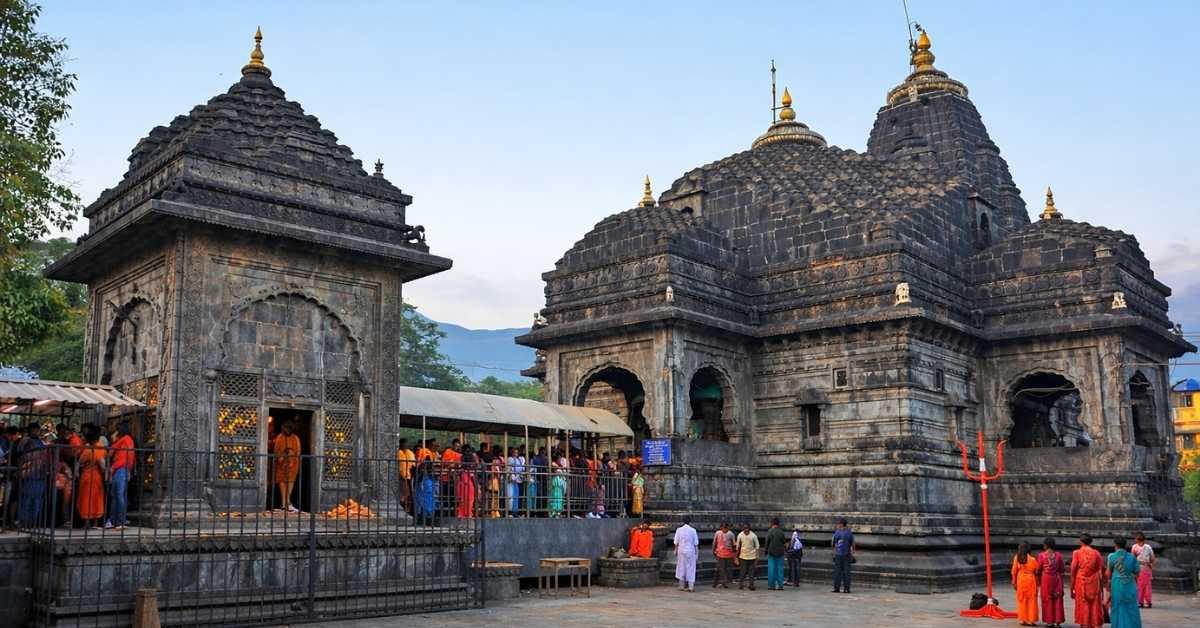
If you are planning how to reach Trimbakeshwar from Mumbai, you now have better road, rail, and bus options than any previous year. Trimbakeshwar is one of India’s twelve Jyotirlinga shrines, located in the Nashik district of Maharashtra. The temple sits at an elevation near the Brahmagiri hills, which is also the origin point of the Godavari river. Pilgrims from Mumbai have been making this journey for generations, but 2026 is genuinely the best year to do it new expressway access, faster trains, and better last-mile connectivity mean less time traveling and more time at the temple. Here is everything you need.
By Road — The 2026 Game Changer

Road travel is the most flexible option, and the Samruddhi Mahamarg has transformed it completely.
Route 1: Samruddhi Mahamarg (Recommended)
Enter the expressway at Thane/Amane. The road takes you straight to Igatpuri, after which a short stretch leads to Nashik and then Trimbakeshwar. Total drive time is approximately 2.5 hours nearly one hour faster than the old highway. The road is wide, well-lit, and has rest stops with food and fuel every 40–50 km.
Route 2: NH160 via Kasara Ghat
The older Mumbai-Nashik Highway via Kasara Ghat is still used but slower. The NH160 8-lane expansion was completed in 2025–26, improving flat stretches, but the ghat section remains a bottleneck on weekends and festival days.
| Route | Distance | Approx. Time | Toll (Approx.) |
| Samruddhi Mahamarg (Thane/Amane entry) | ~175 km | 2.5 hours | ₹280–₹320 |
| NH160 via Kasara Ghat | ~170 km | 3.5–4.5 hours | ₹150–₹200 |
Fuel costs (2026): Petrol car ₹1,100–₹1,300 one way. EV ₹200–₹300 (charging stations now available at Samruddhi rest stops).
Tips: Leave before 5:00 AM. Avoid Shravan Mondays. Carry cash for tolls.
By Train The Commuter’s Choice
The train is the cheapest and most relaxed way to travel. The nearest station is Nashik Road (NK), 28–30 km from the temple.
| Train No. | Train Name | Departure | Arrival at Nashik Road |
| 12109 | Panchavati Express | 6:10 AM (CSMT) | 10:05 AM |
| 17617 | Tapovan Express | 6:20 AM (CSMT) | 10:40 AM |
| 12533 | Pushpak Express | 8:05 AM (LTT) | 12:10 PM |
Best choice: Panchavati Express (12109) departs early, arrives by mid-morning, gives you a full day at the temple.
| Class | Fare (One Way) |
| General (Unreserved) | ₹85–₹100 |
| Sleeper (SL) | ₹175–₹210 |
| AC Chair Car (CC) | ₹480–₹540 |
Book on IRCTC or the Rail Connect app. For weekends and festivals, book 2–3 weeks ahead. General class tickets are available at the station counter on the day of travel.
By Bus Budget Travel

MSRTC runs frequent services from Mumbai to Nashik, with direct connections to Trimbakeshwar.
| Bus Type | AC/Non-AC | Fare | Boarding Points |
| Shivshahi (Semi-Luxury) | AC | ₹380–₹420 | Dadar (Asiad), Thane, Borivali |
| Lalpari (Express) | Non-AC | ₹180–₹220 | Dadar (Asiad), Thane (Teen Hath Naka) |
Shivshahi buses run every 30–60 minutes throughout the day. Buses drop at Nashik CBS (Central Bus Stand), from where shared autos and taxis go directly to Trimbakeshwar in 40–50 minutes. The Shivshahi is the most comfortable government option reclining seats, air conditioning, and fixed fares with no bargaining needed. Book tickets online at msrtc.maharashtra.gov.in or purchase them at the bus stand counter on the day of travel.
Night option: Private sleeper buses (VRL, Orange, Patel Travels) depart Dadar between 10:00–11:30 PM and arrive in Nashik by early morning, giving you a full day at the temple without needing a hotel night in Nashik. Fare: ₹500–₹800 per sleeper seat. Book via redBus or AbhiBus. This is a smart option for budget travelers who want to maximize temple time.
Shared Taxis & Carpooling
Faster than a bus, cheaper than a private cab. Popular with solo travelers and small groups who want door-to-door convenience without paying full cab prices.
- Dadar (TT Circle / Asiad Bus Stand area): Shared taxis depart every 20–30 minutes when seats are full. You simply show up and join the next available vehicle
- Kasara Station: Take a suburban local train to Kasara (around ₹30–₹50), then board a shared taxi onward a good option for travelers coming from Central Mumbai or Thane
| Route | Shared Taxi (Per Seat) | Private Cab (Full Car) |
| Dadar → Trimbakeshwar | ₹750–₹950 | ₹3,000–₹4,000 |
| Kasara → Nashik Road | ₹350–₹450 | ₹1,500–₹2,000 |
BlaBlaCar and Quick Ride list carpool options for this route regularly, especially on weekends. Confirm your drop point before boarding some taxis stop at Nashik CBS, not Trimbakeshwar directly. Carry exact change; drivers rarely have change for large notes. Festival season fares run 20–30% higher than standard rates.
The Last Mile Nashik Road to Trimbakeshwar

Trimbakeshwar is still 28–30 km from Nashik Road Station or Nashik CBS. Do not assume your journey ends at Nashik.
| Mode | Time | Cost |
| Shared Taxi / Tempo | 40–50 mins | ₹80–₹120/seat |
| Private Cab (Ola/Uber) | 35–45 mins | ₹400–₹550 |
| MSRTC Local Bus | 50–60 mins | ₹40–₹55 |
From Nashik Road Station: Exit and walk to the pre-paid auto stand at the main gate. Take a shared auto to Nashik CBS (₹20–₹30), then board a direct shared taxi or local bus to Trimbakeshwar. Alternatively, book an Ola or Uber directly from the station for a seamless ride to the temple gate.
From Nashik CBS (bus travelers): Shared taxis and autos to Trimbakeshwar are available right outside the bus stand exit. No need to go anywhere else just walk out and negotiate or take the next available shared vehicle.
During Shravan month, Amavasya dates, and major festival days, this last stretch gets heavily congested. Add 30–45 extra minutes to your estimate on those days.
The Ideal Same-Day Itinerary from Mumbai (Door to Door)
This itinerary is structured for a traveler departing from Mumbai by private car or a pre-booked taxi via the Samruddhi Mahamarg. Every time block is tight but realistic, tested against actual road and temple conditions.
05:00 AM | Depart Mumbai
Leave no later than 5:00 AM. The expressway is at its smoothest at this hour, and you gain a full head start before temple queues form. Pre-load the route on Google Maps the night before; avoid depending on live navigation at highway speed.
07:15 AM | Breakfast Stop near Ghoti/Bharvir Exit
Pull off at the Ghoti or Bharvir exit for breakfast. Several highway dhabas and petrol pump food courts in this stretch serve poha, misal pav, and chai. Keep this stop to 30-40 minutes max; a longer break here throws off the entire schedule.
08:15 AM | Arrive at Trimbakeshwar, Park Vehicle
Reach the temple town and park at one of the designated municipal parking areas near the temple. Avoid parking on the inner lanes; the streets close to the main temple gate are extremely narrow and prone to gridlock after 9:00 AM.
08:30 AM | Holy Dip at Kushavarta Kund
This sacred tank is a short walk from the main temple. Most devotees take a ritual dip before entering the sanctum. The water is cold in the early morning, so factor this in. The kund is significantly less crowded at this hour compared to midday.
09:00 AM to 11:30 AM | Temple Darshan
Purchase the official ₹200 VIP/Donation pass only from the designated counter inside the temple complex, not from anyone outside. This pass gives you access to a faster-moving queue and brings darshan time down considerably compared to the general line, which can stretch to 3-4 hours on busy days.
12:00 PM | Maharashtrian Thali Lunch
Several restaurants around the temple square serve a proper Maharashtrian thali — puran poli, varan bhaat, bharli vangi. Lunch at this hour means you skip the post-darshan crowd rush that hits these restaurants after 12:30 PM. Budget around ₹120 to ₹200 per person.
01:00 PM | Begin Return Journey to Mumbai
Starting return by 1:00 PM keeps you ahead of the afternoon traffic that begins building near Igatpuri and the Kasara ghat stretch if you take alternate routes. On Samruddhi Mahamarg, the expressway remains manageable until around 4:00 PM, when Mumbai-bound weekend traffic thickens.
04:00 PM | Back in Mumbai
Under standard conditions with a clean run on the expressway, you will reach the Mumbai outskirts by 4:00 PM. Add a 30 to 45-minute buffer on weekends and an additional hour on Shravan Mondays.
Is There a Flight to Trimbakeshwar? Covering the ‘By Air’ Route
There is no airport in Trimbakeshwar. The two airports relevant to this journey are:
- Nashik (Ozar) Airport (IATA: ISK): The nearest commercial airport, approximately 50 km from the temple. From ISK, you would need a prepaid taxi or cab aggregator to cover the remaining distance (roughly 60 to 75 minutes by road).
- Chhatrapati Shivaji Maharaj International Airport, Mumbai (BOM): The major hub, approximately 170 km away from Trimbakeshwar.
The honest assessment: flying from Mumbai to Nashik is not a practical option.
Flights between Mumbai and Nashik are limited in frequency and tend to be disproportionately priced for what is a short sector. When you factor in the time needed to reach the Mumbai airport from the city, check-in and security (minimum 90 minutes for a domestic flight), the actual flight time (~40 minutes), baggage collection, and then a 50 km taxi ride from Ozar to the temple, your total door-to-door time exceeds 4.5 to 5 hours. That is nearly double the time it takes to drive directly via the Samruddhi Mahamarg, which covers the full distance in approximately 2.5 hours.
Flying to Nashik makes practical sense only if you are arriving from another city entirely, such as Delhi, Bengaluru, or Hyderabad, and are planning Trimbakeshwar as part of a multi-city trip. For anyone based in Mumbai or the Mumbai Metropolitan Region, air travel for this specific journey adds time, cost, and logistical complexity with no meaningful benefit.
Verdict: Drive or take the train. Skip the flight.
Best Time to Visit Trimbakeshwar: Season-by-Season Breakdown
The temple is open year-round, but the experience on the ground varies drastically by season. The table below gives you a structured comparison before the detailed breakdown.
| Season | Months | Temperature Range | Overall Experience |
| Winter | October to March | 12°C to 30°C | Best time to visit. Cool, manageable queues, ideal for trekking Anjaneri Hill |
| Monsoon | July to September | 20°C to 28°C | Lush and scenic, but expect 4+ hour darshan queues on Shravan Mondays |
| Summer | April to June | 25°C to 38°C+ | Feasible but demanding; afternoon darshan is physically exhausting |
Winter is the clear frontrunner for a comfortable pilgrimage. Temperatures stay pleasant through the day, queue times are relatively shorter on non-festival dates, and the surrounding landscape, including the Brahmagiri hills and the Anjaneri forest area, is enjoyable to walk through. If trekking Anjaneri (the birthplace of Hanuman as per local tradition) is on your plan, winter is the only season where it is genuinely pleasant to complete.
Monsoon carries a dual character. The region turns intensely green, and the Godavari river (which originates near Trimbakeshwar) is in full flow, making the atmosphere spiritually charged and visually dramatic. However, Shravan (the Hindu month of Sawan, which falls between July and August) draws enormous crowds of devotees, particularly on Mondays. Queues of 4 to 6 hours are not an exaggeration on Shravan Mondays. Rain is heavy and near-continuous; keep waterproofing gear ready for both yourself and any electronics.
Summer is the most underestimated challenge. The stone flooring inside and around the temple complex absorbs heat through the day. By late morning, walking barefoot (mandatory inside the temple) on those stones becomes genuinely uncomfortable, and by early afternoon, it is punishing. If summer is your only option, target an arrival before 8:00 AM without exception.
Pro-Devotee Tips
Timing: Leave Mumbai before 5:00 AM. Arrive at the temple before 8:00 AM for shorter queues. Avoid 11:00 AM–2:00 PM peak crowd and heat.
Darshan options:
| Type | Cost | Wait Time |
| Free General Darshan | ₹0 | 1.5–4 hours |
| VIP / Special Darshan | ₹200/person | 20–45 minutes |
| Rudrabhishek Puja | ₹500–₹1,500 | By appointment |
VIP tickets are available at the temple counter. For Rudrabhishek, contact the Trimbakeshwar Trust in advance.
Dress code: Traditional attire required. Men dhoti or kurta-pajama. Women saree or salwar kameez. Rentals available near the entrance (₹50–₹100). Mobile phones and cameras are not permitted inside the sanctum. Lockers available at ₹10–₹20.
Parking: Available 400–500 metres from the gate. Car: ₹50–₹80. Two-wheeler: ₹20–₹30. Fills up by 7:00 AM on busy days.
Nearby Attractions
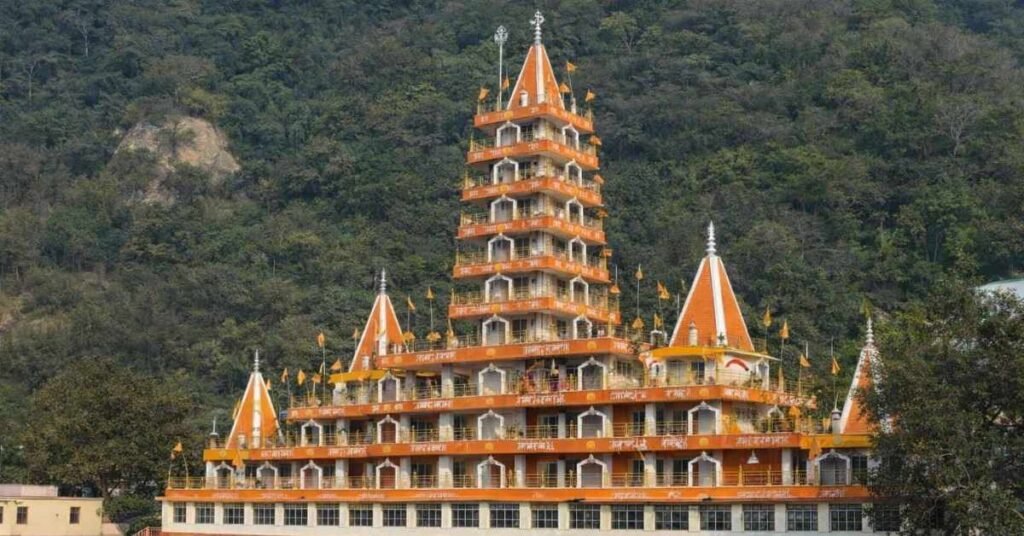
Kushavarta Kund: A sacred tank a short walk from the temple, considered the source of the Godavari River. Take a ritual dip here before darshan it is a core part of the pilgrimage, not optional sightseeing.
Anjaneri Hills (8 km away): Believed to be the birthplace of Lord Hanuman. A moderately challenging trek with sweeping Sahyadri views. Allow 2–3 hours. Carry water and wear sturdy footwear.
Brahmagiri Hill & Gangadwar: A short trek to the exact origin point of the Godavari river. Worth combining with an Anjaneri visit.
Budget Breakdown Full Trip Cost from Mumbai
One of the most searched questions about this trip is: “How much will the whole thing cost?” This section answers it directly.
| Travel Mode | Transport (One Way) | Return | Local Transport | Darshan | Approx. Total |
| By Train (Sleeper) | ₹175–₹210 | ₹175–₹210 | ₹120–₹200 | ₹0–₹200 | ₹470–₹820 |
| By Bus (Shivshahi AC) | ₹380–₹420 | ₹380–₹420 | ₹120–₹200 | ₹0–₹200 | ₹880–₹1,240 |
| By Shared Taxi | ₹750–₹950 | ₹750–₹950 | ₹80–₹120 | ₹0–₹200 | ₹1,580–₹2,220 |
| By Private Car | ₹1,100–₹1,300 fuel | Same | ₹0 (self-drive) | ₹0–₹200 | ₹2,200–₹2,800 |
Additional costs to budget for:
- Temple locker: ₹10–₹20
- Clothing rental (if needed): ₹50–₹100
- Prasad and offerings: ₹50–₹300 depending on puja type
- Meals in Trimbakeshwar: ₹80–₹200 per person (simple thali restaurants near the temple)
- Parking (if driving): ₹50–₹80
Budget traveler benchmark: A solo traveler using the Panchavati Express and shared taxis can complete the full day trip including darshan, Kushavarta Kund dip, and a meal for under ₹800 total.
Comfortable traveler benchmark: A couple traveling by car via Samruddhi, with VIP darshan and a proper lunch, should budget around ₹3,500–₹4,500 for the full day trip.
FAQs
Can I reach Trimbakeshwar directly by train?
No. The nearest station is Nashik Road (NK), 28–30 km away. Shared taxis and autos are available outside the station.
What is the Samruddhi Mahamarg entry point from Mumbai?
The entry point is at Thane/Amane. From there, the expressway reaches Igatpuri in approximately 2.5 hours.
What is the current taxi fare (2026)?
Shared taxi per seat: ₹750–₹950 from Dadar. Full private cab: ₹3,000–₹4,000.
What is not allowed inside the temple?
Mobile phones, cameras, leather items, and non-traditional clothing are prohibited. Lockers are available at the entrance.
What are the temple timings?
Open daily from 5:30 AM to 9:00 PM. Best darshan window: 6:00–8:00 AM.
Final Word
The Samruddhi Mahamarg has eliminated the biggest barrier travel time. The Panchavati Express remains the most affordable option. Buses and shared taxis cover every budget in between. Leave early, book in advance, carry cash, dress traditionally, and take the dip at Kushavarta Kund. These small decisions make the difference between a stressful trip and a fulfilling one.
Safe travels and blessed darshan.