The best time to visit Sundarban is between October and March. Winter months offer cooler temperatures, calmer waters, and the highest chances of spotting a Royal Bengal Tiger. If you can only go once, go in winter.
Planning a trip to the Sundarbans is not like planning a beach holiday. The largest mangrove delta in the world runs on its own rules. The forest is dense, the waterways are unpredictable, and the wildlife does not perform on schedule.
I’m Chris, and I’ve spent years exploring these tidal forests by boat. One thing I learned early: the best time to visit Sundarban isn’t just about avoiding the heat. It’s about understanding the tides. Tiger sightings here depend as much on tidal patterns as they do on the season. That single insight changes everything about how you plan your trip.
The Secret to Sundarban Safaris: Tides Over Temperature
Most wildlife parks in India run on jeep safaris. The Sundarbans work completely differently. Every single safari here is done by boat. There are no jeep tracks, no open gypsies, and no dusty jungle roads. You navigate through a maze of tidal rivers and creeks to reach the watchtowers.
This is where the tide and tiger connection becomes critical. During low tide, the water pulls back and exposes long stretches of muddy riverbanks. Tigers come down to these banks to cool off, drink, or hunt. Estuarine crocodiles do the same. If you arrive at a watchtower during high tide, you will see water and trees. During low tide, you might see a Bengal tiger walking the shore.
When I visited Sudhanyakhali and Dobanki, I planned every watchtower stop around the low tide window. That discipline made all the difference. Always check the daily tide chart before you finalize your itinerary.
Winter (October to February): The Golden Tourist Season
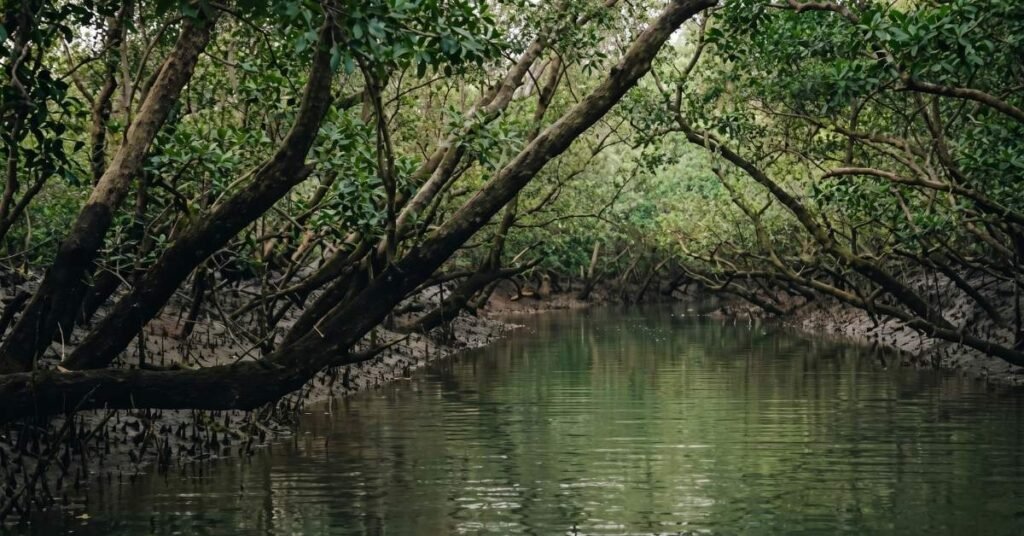
Winter is the undisputed best time to visit Sundarban for most travelers. Temperatures stay between 10°C and 25°C, making long hours on a boat genuinely comfortable. The humidity drops, the air feels cleaner, and the forest comes alive in a way that the other seasons simply cannot match.
Wildlife activity peaks during these months. The muddy banks along the waterways become gathering spots for estuarine crocodiles basking in the morning sun. Spotted deer graze in open clearings near the treeline. The Sajnekhali Bird Sanctuary transforms into a paradise for birdwatchers, with dozens of migratory species arriving from Central Asia and Siberia. I spotted open-billed storks, kingfishers, and grey herons within the first hour of my morning cruise during my December visit.
Tigers are always elusive. That is the honest truth. But winter gives you the best odds. The vegetation is less dense, visibility improves along the banks, and tigers come down to drink more frequently in the cooler hours of early morning.
Some of my strongest Sundarban memories come from winter mornings on the boat. The river would be covered in a thin mist just after dawn. The boat crew would pass around cups of hot chai and freshly made parathas while we drifted silently, watching the banks for movement. That stillness is something you do not forget.
Pros:
- Most comfortable temperatures for long boat safaris
- High wildlife activity, especially crocodiles and migratory birds
- Best visibility due to lower vegetation density
- Ideal conditions for photography
Cons:
- Peak season means heavy boat traffic on popular routes
- Prices for packages and accommodations rise significantly
- Permits and boats at Sajnekhali can book out weeks in advance
Book your authorized boat safari only through verified operators. The West Bengal Tourism Development Corporation (WBTDCL) is the official government body for reliable and regulated bookings. I always recommend starting your planning there before approaching private operators.
Summer (March to May): High Risk, High Reward
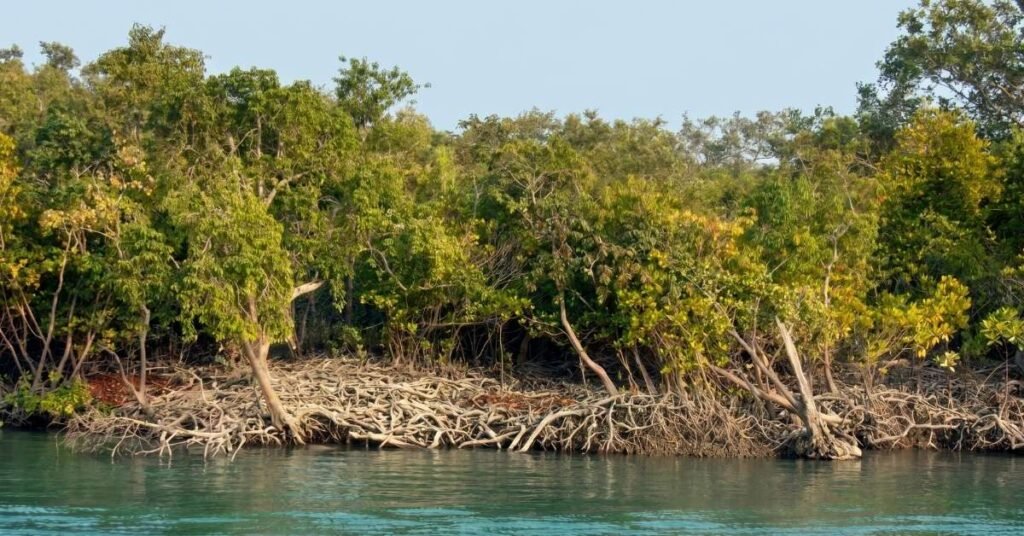
Summer in the Sundarbans is brutal. Temperatures climb up to 38°C and the humidity makes it feel even worse. Spending six to eight hours on an open boat under that sun is genuinely exhausting. This is not the season for casual tourists or families with young children.
But serious wildlife photographers and tiger enthusiasts know something that most travelers miss. Summer is arguably the best season for tiger sightings in the Sundarbans.
Here is why. The freshwater ponds inside the forest begin to dry up during these months. The sweet water pond near Sudhanyakhali watchtower is a well-known example. As inland water sources shrink, tigers are forced to travel further and come closer to the riverbanks to drink. This increases the chance of a sighting dramatically during low tide windows.
I visited in late April once, fully prepared to suffer through the heat. The discomfort was real. But on the second morning, we spotted a Royal Bengal Tiger walking the mudbank near a creek for nearly four minutes. No other season has given me a sighting like that. Every photograph from that trip was sharp, well-lit, and worth every drop of sweat.
One serious warning: the Kalbaishakhi, locally known as Nor’westers, can appear without much notice during late afternoons in this season. These sudden violent storms can make the waterways dangerous very quickly. Always follow your boat captain’s instructions and head back early if the sky changes.
Pros:
- Highest probability of tiger sightings due to water scarcity
- Fewer tourists means quieter waterways and better photography conditions
- Lower package prices compared to peak winter season
Cons:
- Extreme heat and humidity make long boat trips physically draining
- Sudden Kalbaishakhi storms create real safety risks
- Not suitable for elderly travelers or young children
Monsoon (June to September): Lush Greens and Rough Rivers
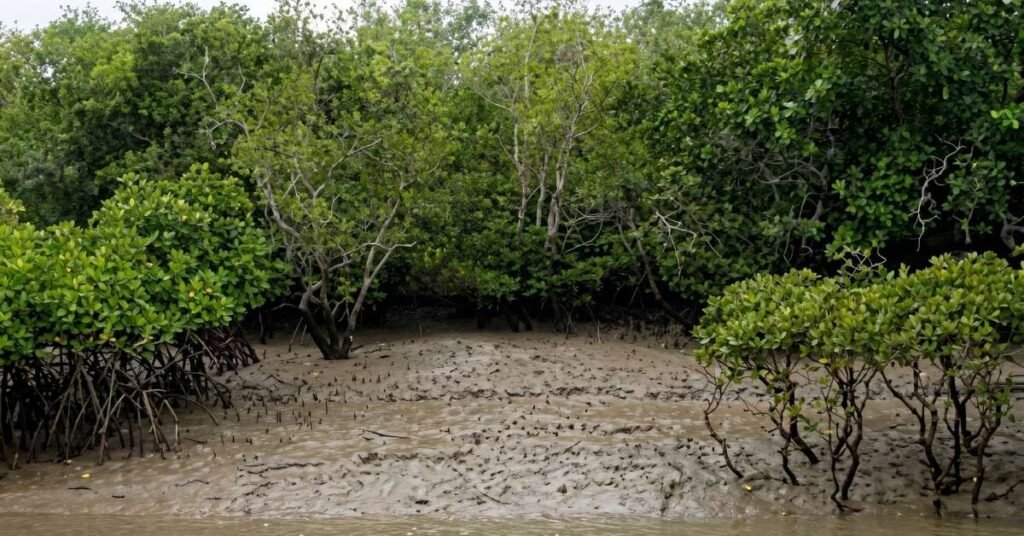
The monsoon season in the Sundarbans deserves a direct warning before anything else. The rivers swell to dangerous levels. Cyclones forming over the Bay of Bengal can make landfall with very little advance notice. This is the most unpredictable and potentially dangerous time to be on these waterways.
The Forest Department frequently restricts or completely closes core safari zones during peak monsoon months. Boat movement in the deeper creek channels becomes unsafe. Even experienced local boatmen will refuse to take tourists into certain areas. Wildlife spotting becomes nearly impossible when the riverbanks are submerged and visibility drops in heavy rain.
That said, there is a silver lining for a very specific type of traveler.
The forest turns an extraordinary shade of deep green during these months. The entire delta feels alive and atmospheric in a way that no photograph can fully capture. Travelers who book a comfortable riverside resort and have no expectation of deep forest safaris can find the monsoon surprisingly beautiful and unusually peaceful. This is also the season of the famous Hilsa fish, locally called Ilish. Many resorts near the Sundarbans run special Ilish festivals with elaborate fish-based menus that are genuinely worth experiencing.
However, my clear advice is this. Families traveling with young children or elderly members must avoid the monsoon season entirely. The rough river crossings cause severe seasickness. Safety infrastructure thins out considerably. The risk is simply not worth it.
Planning a Road Trip in India?
Stop guessing! Calculate your exact fuel cost for Petrol, Diesel, CNG, or EV trips instantly.
🚗 Calculate Fuel Cost NowMonth-by-Month Weather & Wildlife Snapshot
Use this table to pick your window at a glance. Every row is based on what I have personally observed and researched across multiple visits.
| Month | Avg Temp | Crowd Level | Tiger Spotting Chance | Chris’s Verdict |
| October | 25°C – 30°C | Medium | Medium | Good opening window |
| November | 18°C – 26°C | Medium-High | Medium | Excellent all-rounder |
| December | 10°C – 22°C | Very High | Medium | Peak comfort season |
| January | 10°C – 20°C | Very High | Medium | Most popular month |
| February | 14°C – 24°C | High | Medium-High | Great transition month |
| March | 22°C – 32°C | Low-Medium | High | Heating up, rewards rising |
| April | 28°C – 36°C | Low | Very High | Best for tiger sightings |
| May | 30°C – 38°C | Very Low | Very High | Extreme heat, serious visitors only |
| June | 28°C – 35°C | Very Low | Very Low | Monsoon begins, avoid safaris |
| July | 27°C – 33°C | Very Low | Very Low | Core zones often closed |
| August | 27°C – 32°C | Very Low | Very Low | High cyclone risk |
| September | 27°C – 33°C | Very Low | Low | Season slowly reopening |
October and February are the two months I personally recommend for first-time visitors. You get reasonable crowd levels, comfortable temperatures, and genuinely good wildlife activity without the extremes of peak winter or harsh summer.
Essential Travel Checklist & Arrival Logistics

Most travel blogs talk endlessly about seasons but skip the practical details that actually determine whether your trip runs smoothly. Here is what you need to know before you leave home.
Getting There
Road travel from Kolkata takes roughly three to four hours and ends at Godhkhali Ferry Ghat. This is where tarmac stops and the Sundarbans truly begins. From Godhkhali, your entire journey shifts to water. Your assigned boat picks you up here and becomes your primary transport for the rest of the trip.
Permits
Entry into the core forest zones is not optional paperwork. Forest Department permits are mandatory for every visitor and are typically arranged at Sajnekhali, which also serves as the main processing hub. Most reputable tour operators handle this on your behalf, but always confirm before booking.
What to Pack
- Odomos or any strong mosquito repellent (non-negotiable)
- Binoculars, since boats must maintain distance from the banks at all times
- Light cotton clothes for daytime heat
- A windcheater or light jacket for winter morning river crossings
- Sufficient cash, as ATMs are either absent or unreliable inside the island areas
- Personal medications and a basic first aid kit
The Final Verdict: When Should You Pack Your Bags?
Winter gives you comfort, cooler air, and rich birdlife. Summer gives you the raw, unpredictable thrill of tiger sightings. Your ideal month depends entirely on what kind of traveler you are. For most first-timers, November to February remains the safest and most rewarding window.
Frequently Asked Questions
What is the best time to spot tigers in the Sundarbans?
April and May offer the highest tiger spotting probability. Freshwater sources dry up inland, forcing tigers to visit the riverbanks more frequently during low tide.
Is it safe to visit the Sundarbans during the monsoon?
Deep forest safaris are generally unsafe from June to September due to swollen rivers and cyclone risks. Staying at a riverside resort is possible but wildlife experiences will be minimal.
Can we do a jeep safari in the Sundarbans?
No. The Sundarbans is exclusively a boat safari destination. There are no jeep tracks or road-based safari routes anywhere inside the forest.
How far is the Sundarbans from Kolkata?
The road journey from Kolkata to Godhkhali Ferry Ghat takes approximately three to four hours depending on traffic and your starting point in the city.
Which watchtower has the best chance of a tiger sighting?
Sudhanyakhali is widely considered the most reliable watchtower for tiger sightings due to the sweet water pond located nearby that attracts wildlife regularly.
Do I need to book permits in advance?
Yes. Forest Department permits are mandatory and should be arranged in advance through your tour operator. Walk-in permits during peak winter months are difficult to secure at Sajnekhali.