The best things to do in Colaba include visiting the Gateway of India, bargaining at Colaba Causeway, and exploring the Art District. For 2026, the top update is using the Aqua Line Metro (Cuffe Parade Station) to skip the South Mumbai traffic entirely.
Colaba is the soul of South Mumbai. It is where old-world charm meets the city’s trendiest new hangouts. From colonial landmarks to hidden art galleries and high-end cafes, there are endless things to do in Colaba. This guide helps you navigate the neighborhood like a local, using the latest 2026 transit updates to save you time and money.
Getting There: The 2026 Aqua Line Revolution
Navigating South Mumbai has changed forever. You no longer need to rely on expensive taxis or crowded buses from Churchgate.
- The Metro Way: Take the Metro Line 3 (Aqua Line) and get off at the Cuffe Parade Station. This is the southern terminal and puts you right at the edge of Colaba. It is clean, fast, and air-conditioned.
- Walking: Colaba is a “walking neighborhood.” Once you arrive at the station, most major sights are within a 10–15 minute stroll.
- The Classic Taxi: If you prefer the old way, the “Kaali Peeli” (black and yellow) taxis are still available. Always ask them to go by the meter.
| Transport Mode | Best For | Estimated Cost (2026) |
| Metro Line 3 | Avoiding Traffic | ₹20 – ₹50 |
| Kaali Peeli Taxi | Door-to-door comfort | ₹30 (Minimum Fare) |
| Walking | Sightseeing & Photos | Free |
Heritage Icons: The Unmissables

You cannot visit Colaba without seeing its historical pillars. These spots define the Mumbai skyline.
The Gateway of India & The Taj Mahal Palace
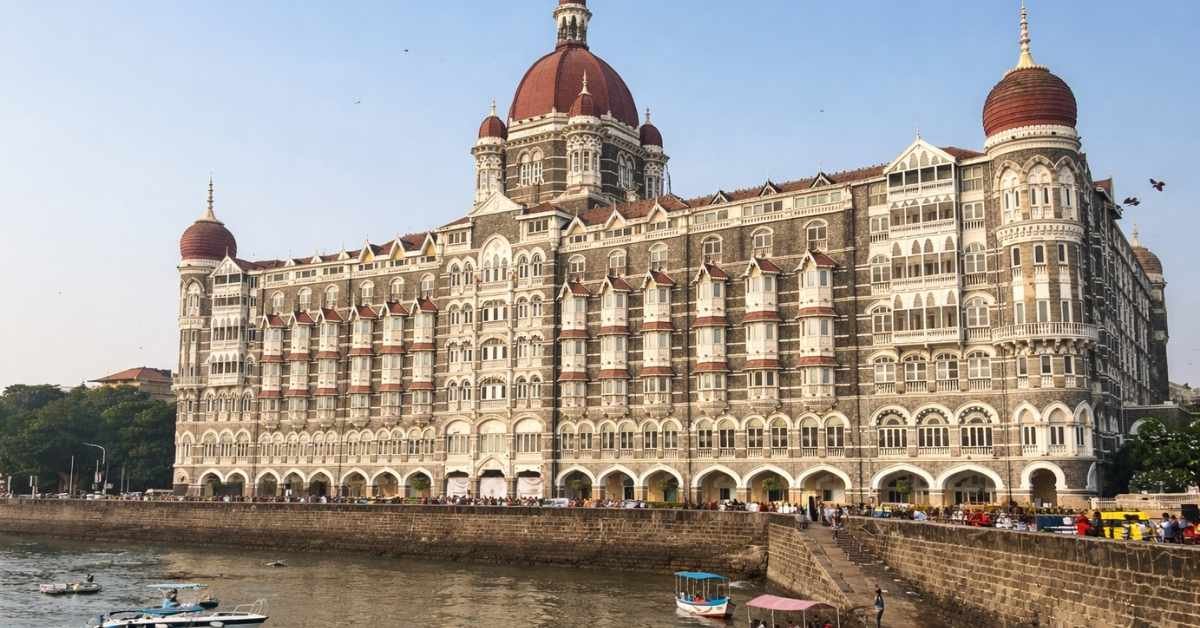
The Gateway is the city’s most famous landmark. It was built to welcome King George V in 1911. Right next to it is the Taj Mahal Palace Hotel. Even if you aren’t staying there, you can walk through the lobby or grab a coffee to experience the luxury.
- Pro Tip: Visit at 7:00 AM to get photos without thousands of tourists in the background.
The Afghan Church
Often missed by basic tour guides, this neo-Gothic church in Navy Nagar is a quiet escape from the city noise. It was built to honor soldiers from the First Afghan War. The stained-glass windows are some of the best in India.
Sassoon Docks
This is one of the oldest wet docks in Mumbai. In 2026, it is famous not just for the morning fish market, but for the Sassoon Dock Art Project. Huge murals cover the walls, making it a dream for street photographers.
Sagar Upvan: The Garden Colaba Doesn’t Talk About Enough
The Colaba Causeway is designed to overwhelm your senses, and it succeeds. By mid-morning, the vendor calls, the traffic, and the sheer density of people create a particular kind of fatigue that hits even seasoned urban navigators. That’s exactly when Sagar Upvan earns its place on any serious Colaba itinerary.
Maintained by the Mumbai Port Authority, this botanical garden stretches across approximately 12 acres (roughly 46,000 sq. m), housing rare botanical species and offering unobstructed views of the Arabian Sea. The contrast with the Causeway, which is a literal five-minute walk away, is almost comical in the best way. I’ve come to treat Sagar Upvan as a mandatory reset point, particularly during morning itineraries. The garden runs two sessions daily, 6:00 AM to 11:00 AM and 4:30 PM to 8:30 PM, and the entry fee sits between ₹2 and ₹10. The morning window is the better of the two: the light is cleaner, the sea breeze is stronger, and the post-walk return to the Causeway feels far less daunting.
Regal Cinema: The Screen That Opened Before Independence
Most people who walk past Regal Cinema on Apollo Bunder don’t register what they’re looking at. Built in 1933 in Art Deco style and positioned directly opposite the Prince of Wales Museum, it holds the distinction of being India’s first air-conditioned theatre. That detail alone earns it a different category of attention than your average multiplex.
Catching a Bollywood or Hollywood film at Regal isn’t just watching a movie; it’s occupying a room that’s been doing this through Partition, through the Emergency, through decades of Mumbai reshaping itself around it. Tickets run ₹100 to ₹350 via BookMyShow, and the first show typically begins at 11:00 AM. For anyone building a Colaba day that wants texture beyond the usual landmarks, this is where you find it.
The Colaba Art District: A Cultural Deep Dive
Colaba is the heart of Mumbai’s art scene. You don’t need to be an expert to enjoy the galleries here. Most are free to enter and offer a quiet break from the busy streets.
- Project 88: Located in an old metal printing press, this gallery shows bold, modern art. In early 2026, look for the large-scale murals by artist Anpu Varkey.
- Akara Modern: This gallery often shows famous Indian masters. Right now, it is hosting a special centenary exhibition for Laxman Pai, featuring colorful paintings from his 60-year career.
- Jhaveri Contemporary: A great spot to see art that mixes tradition with new ideas. It is tucked away in a heritage building with great views of the sea.
- Jehangir Art Gallery: Technically just outside Colaba in Kala Ghoda, it’s a 5-minute walk. Check the plaza outside for local artists selling sketches for a few hundred rupees.
Shopping Strategy: Street Finds vs. Heritage Boutiques
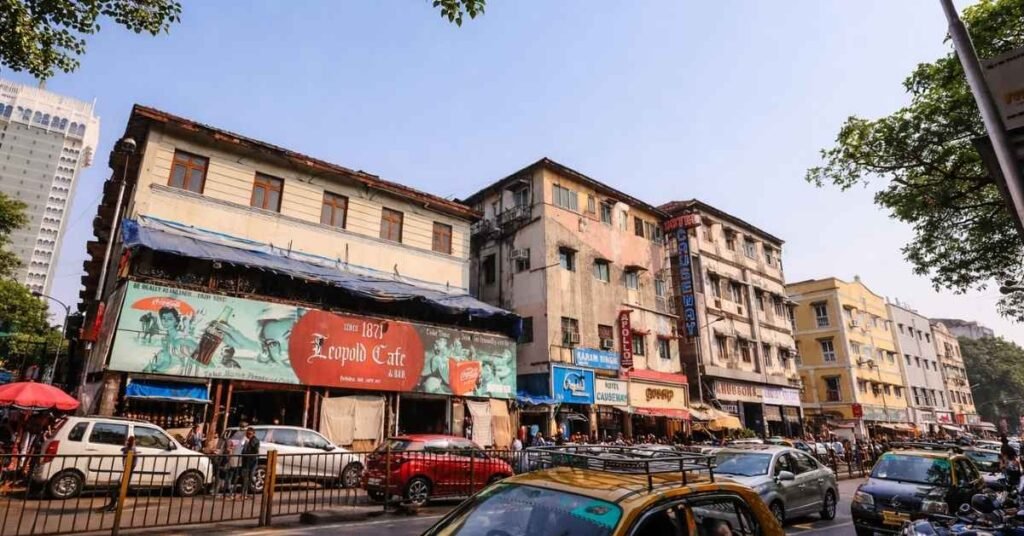
Shopping for things to do in Colaba usually means visiting the famous Causeway. However, the neighborhood also hides high-end stores that offer a very different experience.
Colaba Causeway (The Street Market)
This is a giant open-air market. You can find junk jewelry, leather sandals (Kolhapuris), and “first-copy” branded clothes.
- The 70% Rule: Vendors often quote triple the actual price. Start your bargain at 30-40% of what they ask and meet in the middle.
- Expert Tip: If you see something you like, buy it. You will likely never find that exact stall again in the maze.
Heritage Boutiques (The Luxury Side)
For better quality and a calm vibe, head to the side streets.
- Nappa Dori: Located in Sunny House near the Taj Hotel, this store sells handcrafted leather bags and trunks. It even has a small cafe inside.
- Good Earth: Perfect for high-end Indian home decor and silk clothing. It feels more like a museum than a shop.
| Feature | Colaba Causeway | Heritage Boutiques |
| Vibe | Loud, Crowded, Fun | Quiet, AC, Luxury |
| Pricing | Bargain heavily | Fixed Price (Expensive) |
| Best For | Jewelry & Trinkets | Quality Leather & Decor |
| Payment | Cash is King | Cards & UPI accepted |
Where to Eat: From Heritage Cafes to New-Age Roasteries
Colaba is a food lover’s paradise. Whether you want a quick snack or a fancy dinner, you have plenty of choices.
The Icons: Leopold & Mondegar
These two are the most famous cafes in Mumbai.
- Cafe Mondegar: Famous for the Mario Miranda cartoons on its walls and the vintage jukebox. Order the “Special Beef Chilli” or a “Cold Coffee.”
- Leopold Cafe: A historic spot mentioned in the book Shantaram. It still has bullet holes from 2008 as a mark of resilience. It is great for a chilled beer and “Chicken Pasta.”
The 2026 Trendsetters
If you want something modern, head to these newer spots:
- The Cacao Mill by Subko: This is a massive chocolate factory and cafe. You can watch them make chocolate from scratch while you drink a “Hot Chocolate” or a “Flat White.”
- Araku Coffee: Known for its high-quality organic coffee. The interior is very modern and peaceful.
| Restaurant | Best For | Must-Try Dish |
| Cafe Mondegar | Retro Vibe | Beef Chilli / Draught Beer |
| Leopold Cafe | History | Roast Chicken / Pasta |
| Subko Cacao Mill | Chocolate Lovers | Sourdough Toasties / Cacao Juice |
| Bademiya | Late-night Kebab | Paneer Tikka / Mutton Seekh |
Practical Facts & Local Secrets

To enjoy Colaba, you need to know a few “insider” tips that most tourists miss.
Best Time to Visit
- Mornings (7 AM – 10 AM): Perfect for photography and seeing the Gateway without the crowds.
- Evenings (5 PM – 9 PM): The Causeway is most alive now, but it will be very crowded.
Local Secrets for a Smooth Trip
- Clean Restrooms: Finding a clean toilet on the street is hard. Your best bet is to go to The Museum of Solutions or use the “Woloo” powder rooms located near major transit points.
- Scam Alert: If someone approaches you offering a “cheap heritage walk” or “special gems,” politely say no. Use official guides or apps for tours.
- Ferry Rides: In 2026, the ferry to Elephanta Caves costs roughly ₹200–₹250 for a return trip. Sit on the upper deck for the best view of the Mumbai skyline.
Common Scams to Avoid:
- The “No Change” Trick: Always carry small notes (₹10, ₹20, ₹50). Street vendors often claim they don’t have change for a ₹500 note.
- Fake Antiques: Most “antiques” at the Causeway are mass-produced in factories. Don’t pay “antique” prices for them.
Know Before You Go: 2026 Price Guide & Budget Plan

To help you plan your wallet, here are the updated 2026 entry fees for the major cultural spots in and around Colaba.
The “Colaba on a Budget” Day Plan (Under ₹1,000) If you want to experience the best things to do in Colaba without breaking the bank, follow this itinerary:
- 08:00 AM: Arrival at Cuffe Parade Metro Station (₹30).
- 08:30 AM: Sunrise photos at the Gateway of India (Free).
- 10:00 AM: Breakfast at a local Udipi joint or a bun-maska at a small Irani cafe (₹150).
- 11:30 AM: Visit the Afghan Church and walk through Sassoon Docks (Free).
- 01:30 PM: Lunch at Bagdadi Restaurant (Famous for large rotis and chicken fry) (₹300).
- 03:00 PM: Window shopping and small trinket buying at Colaba Causeway (₹300).
- 05:00 PM: Sunset walk at Cuffe Parade Promenade (Free).
- 07:00 PM: Evening Metro back home (₹30).
- Total Spent: ~₹810.
The 2026 Premium Colaba Experience
Not every Colaba visit should be about stretching the last rupee on street chaat and haggling over cotton scarves. There’s an entirely different layer to this neighbourhood, one built on colonial grandeur, curated fashion, and dining rooms where the lighting alone tells you the bill will sting.
I track budget transit routes for a living, but I’m equally drawn to Colaba’s luxury circuit precisely because of the contrast it creates. One evening last quarter, I watched a family negotiate aggressively over a leather pouch on the Causeway, then walked 200 metres and found myself in a restaurant where a single cocktail cost more than their entire haul. That tension is what makes Colaba unlike anywhere else in Mumbai.
Here’s how to run the premium version of this neighbourhood:
09:00 AM: Breakfast & Heritage Check-in Start the morning by settling into your hotel before the city fully wakes up. The Taj Mahal Palace is the obvious anchor point for this itinerary, but even if you’re staying elsewhere, position yourself in this radius. Coffee and a light breakfast at the hotel gives you a clean runway before the Causeway crowds gather.
11:00 AM: High-End Boutique Shopping Two stops are non-negotiable here. Le Mill is Colaba’s most credible luxury fashion address, stocking international designer labels with a curatorial eye that doesn’t feel like airport retail. Follow that with Nappa Dori, where the leather goods and accessories are crafted with a detailing that justifies every rupee. These aren’t impulse-purchase stores; budget time to actually look.
01:00 PM: Fine Dining Lunch The Table has held its position as one of Colaba’s premier fusion dining rooms long enough that it’s no longer just a recommendation, it’s a benchmark. For a slightly more relaxed afternoon, Woodside Inn delivers on craft beers, thick burgers, and its signature warm wooden interior. Cost for two runs approximately ₹2,500, and they open at 11:00 AM for early arrivals. Both options earn their place on the itinerary for different reasons.
03:00 PM: Art & Culture The post-lunch window is best spent at the National Gallery of Modern Art (NGMA). The building itself carries as much weight as the collection inside. Entry fees are minimal (₹20 for Indians), which makes this one of the most underpriced cultural hours you’ll find in any major city.
06:00 PM: Evening Drinks & Nightlife Colaba Social is the right call to close the evening. It runs late (until 1:30 AM), the crowd shifts interestingly across the evening, and a bill for two lands between ₹1,200 and ₹2,100 depending on what you order. Arrive around 6 PM to grab a table before the dinner rush converts the space entirely.
Conclusion: Why Colaba Remains Mumbai’s Heart
Colaba is no longer just a “tourist stop.” With the 2026 opening of the Aqua Line, it has become a central hub for art, coffee culture, and history that is easier to reach than ever before. Whether you are bargaining for earrings on the Causeway or sipping a high-end cold brew at Subko, the neighborhood offers a layer of Mumbai you won’t find anywhere else.
Put on your walking shoes, keep your Metro card.
Frequently Asked Questions (FAQ)
Q: Is the Mumbai Metro Line 3 (Aqua Line) fully open in 2026?
Yes. As of late 2025, the entire line is operational. You can take the metro from the Airport or BKC directly to the Cuffe Parade Station in Colaba.
Q: What are the ferry timings for Elephanta Caves?
The first ferry leaves the Gateway of India at 9:00 AM.
They run every 30 minutes until 2:00 PM. The last return ferry from the island is at 5:30 PM. Note: Ferries do not run on Mondays.
Q: How much should I bargain at Colaba Causeway?
Start by offering 30-40% of the quoted price. For example, if a vendor asks for ₹1,000, start at ₹350. You will likely settle around ₹500–₹600.
Q: Is Colaba safe for solo female travelers?
Yes, it is one of the safest areas in Mumbai. It is well-lit and busy until late at night. However, always be cautious of overly friendly “guides” on the street.