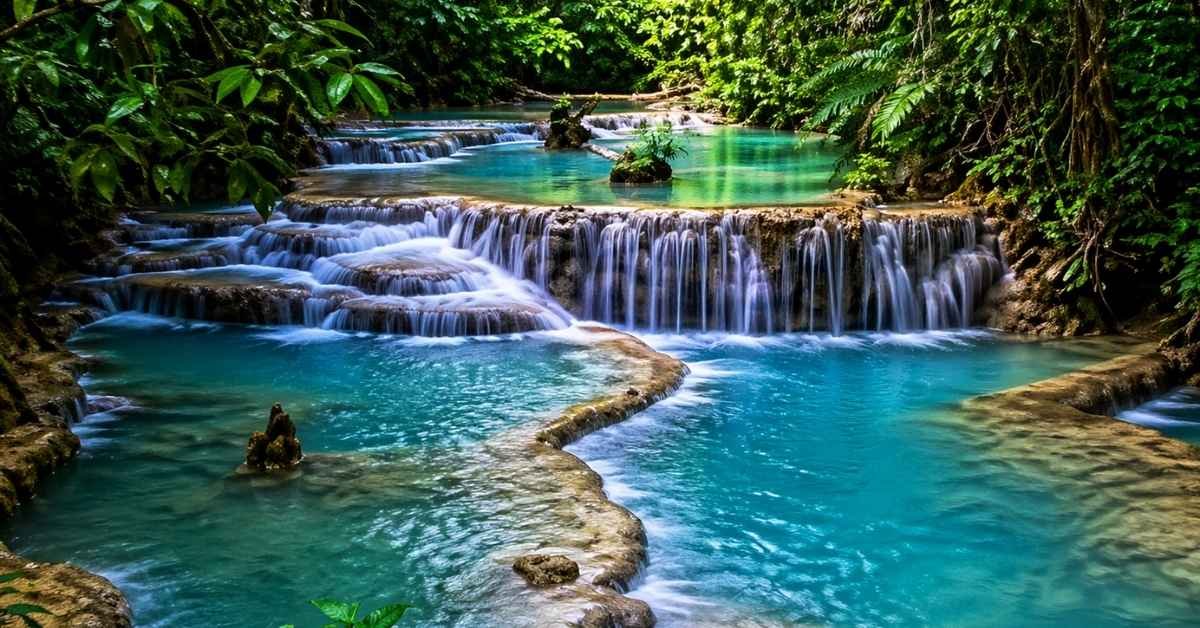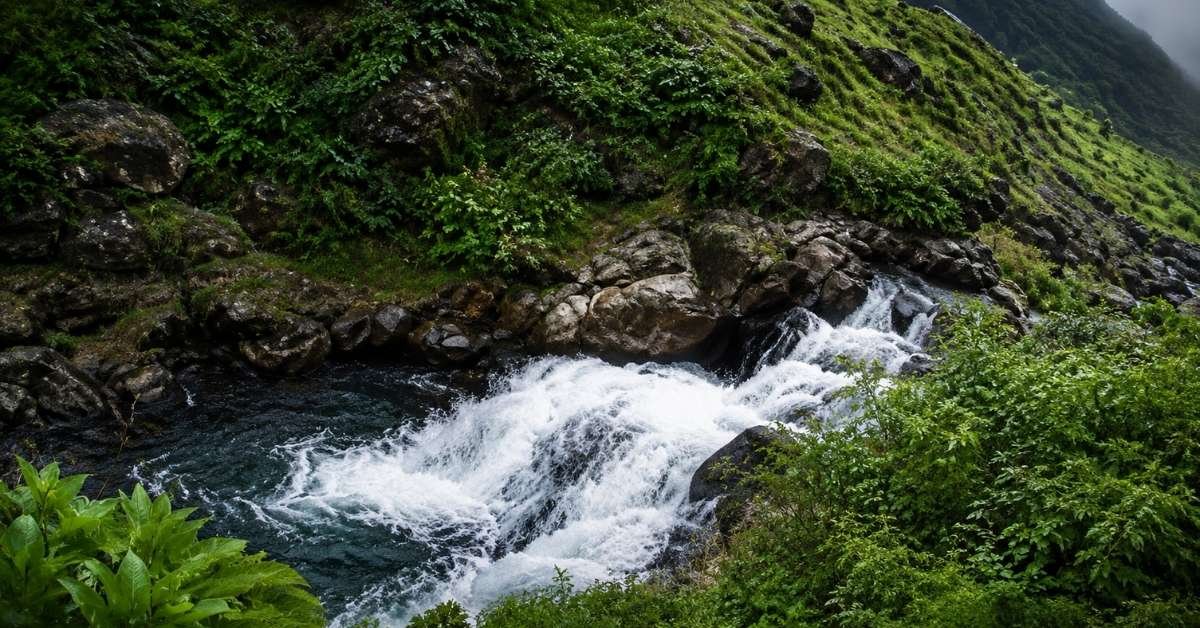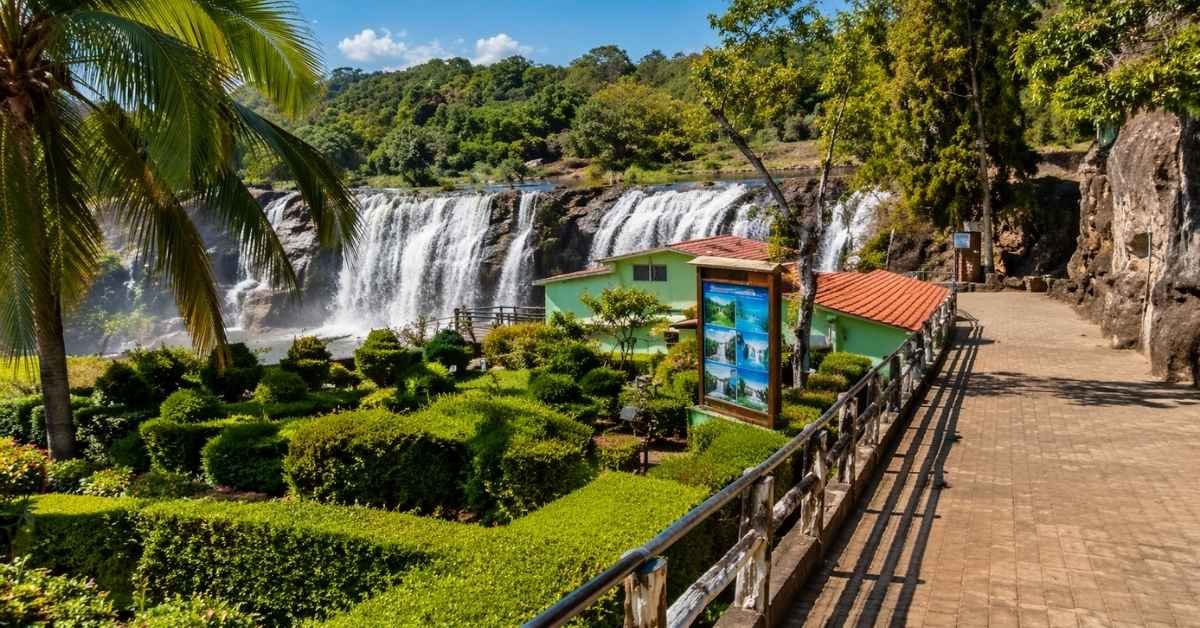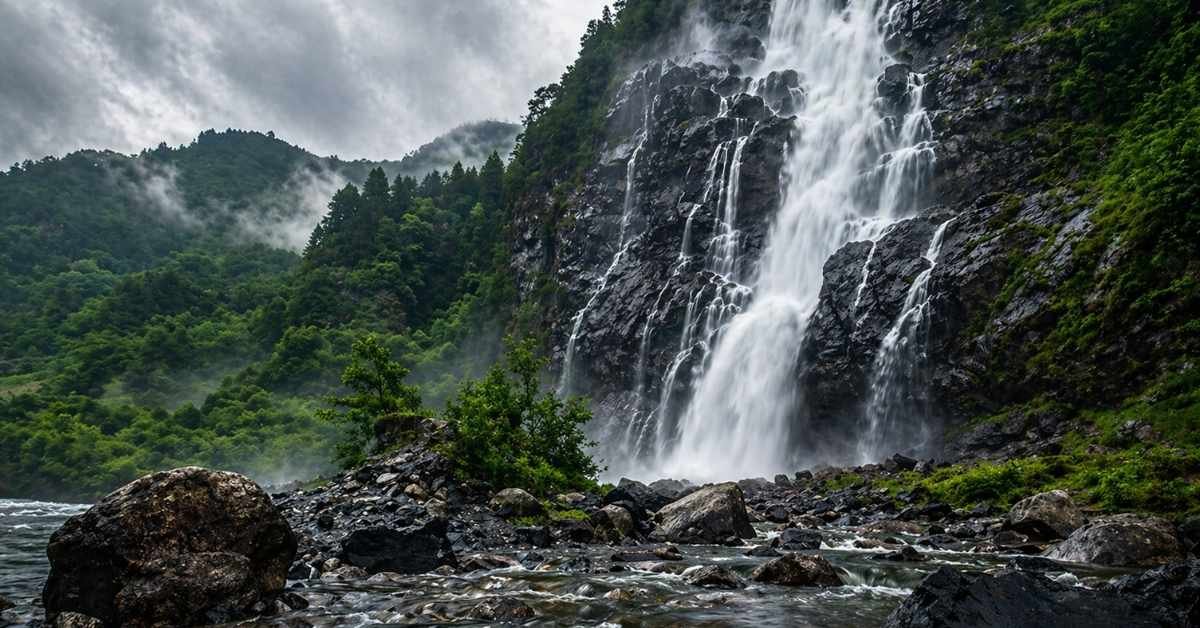
Nuranang Waterfall is a 100-meter high waterfall in the Tawang district of Arunachal Pradesh, roughly 40 km from Tawang city and 2 km from the town of Jang. It is also known as Jang Falls and Bong Bong Falls.
Most travel lists in Northeast India are dominated by Tawang Monastery, Sela Pass, and Bumla Lake. Nuranang quietly sits in the shadow of all three, even though it might be the most jaw-dropping sight on the entire route.
This is not a gentle stream trickling down a hillside. This is a full-force waterfall, fed by glacial meltwater from the slopes of Sela Pass, crashing down 100 meters onto the rocks below. The sound hits you before the view does.
What makes Nuranang even more special is the weight of history behind it. The waterfall is named after a young Monpa girl called Nura, who helped an Indian Army soldier, Rifleman Jaswant Singh Rawat, during the 1962 Sino-Indian War. Her bravery is remembered every single day in the name of this place.
And if you are a Bollywood fan, there is a bonus. A famous song from the 1997 film Koyla, starring Shah Rukh Khan and Madhuri Dixit, was shot right here. That scene brought Nuranang to millions of screens across India, yet somehow, the waterfall still remains underrated and uncrowded.
That is the magic of this place. Raw, real, and quietly waiting for you.
The Legend of Nura and a Touch of Bollywood

A waterfall with three names already sounds interesting. But once you hear why those names exist, the whole place feels different.
So why the three names?
The waterfall is officially called Nuranang Falls. But most locals and travellers call it Jang Falls, simply because the nearest town is Jang, about 2 km away. The name Bong Bong Falls is older and more informal, used by locals for generations before the place became a tourist destination. All three names point to the same magnificent waterfall.
The Story Behind the Name “Nuranang”
During the 1962 Sino-Indian War, the mountains around Tawang were not just scenic backdrops. They were active battlegrounds.
A young Monpa girl named Nura lived in this region. When Indian Army Rifleman Jaswant Singh Rawat was fighting Chinese forces in these very mountains, Nura chose to help him. She provided him with food, information, and shelter at great personal risk. In a time of fear and war, she picked a side and stood by it with full courage.
Rifleman Jaswant Singh Rawat fought with extraordinary bravery in that battle. He is honored today at the Jaswant Garh War Memorial, located close to this route. But the waterfall carries Nura’s memory forward. The name “Nuranang” is believed to be derived from her name, making sure the world does not forget a quiet act of courage that happened in these hills.
Every time someone says “Nuranang,” they are unknowingly speaking her name.
The Bollywood Connection
Now for the lighter side of this waterfall’s fame.
In the 1997 Bollywood blockbuster Koyla, starring Shah Rukh Khan and Madhuri Dixit, a popular song was filmed right here at Nuranang. The waterfall appeared on the big screen, giving millions of Indian moviegoers a glimpse of its beauty, even if most of them did not know the name of the place they were looking at.
That single song brought a rush of curiosity about Northeast India’s landscapes. Yet Nuranang, even after that spotlight, never turned into an overcrowded tourist circus. It stayed raw, accessible, and honest.
A waterfall named after a wartime heroine, moonlighting as a Bollywood film set. There really is no other place quite like it.
How to Reach Nuranang Waterfall: A Complete Road Map
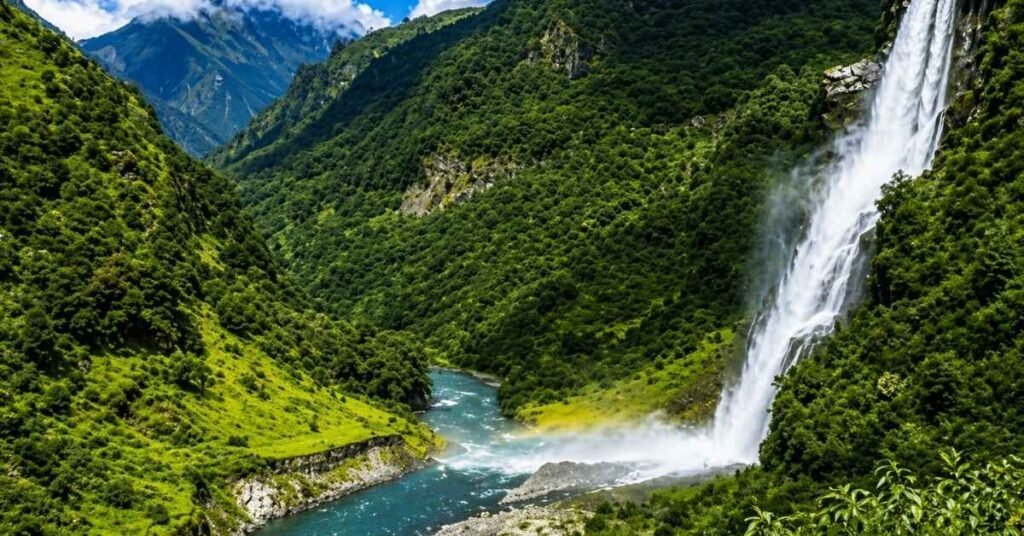
Getting to Nuranang is straightforward once you are inside Arunachal Pradesh. The road journey is scenic, the distances are manageable, and the final short walk to the falls is worth every step.
Quick Distance Reference Table
| Starting Point | Distance to Nuranang | Approx. Travel Time |
| Tawang City | ~40 km | 1.5 to 2 hours |
| Jang Town | ~2 km | 5 to 10 minutes |
| Sela Pass | ~35 km | 1.5 hours |
| Dirang | ~130 km | 4 to 5 hours |
| Guwahati | ~500 km | 14 to 16 hours |
Travel times vary depending on road conditions, weather, and vehicle type. Mountain roads in this region can slow things down significantly after rain.
The Route from Tawang
From Tawang city, you take the road towards Sela Pass. The route passes through stunning high-altitude landscapes before descending into the Jang valley. Once you reach the small town of Jang, Nuranang Falls is just about 2 km further ahead. Most drivers know the spot well. You can also ask any local in Jang and they will point you in the right direction immediately.
The road up to the parking area is motorable. You do not need a special vehicle for this stretch, though a sturdy car is always better on mountain roads.
The Walk Down to the Falls
From the parking area, there is a short descent to reach the base of the waterfall. The path is not a technical trek. It is a walkable trail that takes roughly 10 to 15 minutes on foot. However, the path can get slippery during and after rain, so wear shoes with a good grip. Flip flops and sandals are a bad idea here.
Once you reach the bottom, the scale of the waterfall becomes fully clear. Standing at the base, with mist hitting your face and the sound of crashing water surrounding you, is a genuinely overwhelming experience.
The Inner Line Permit: Non-Negotiable
Before any of this is possible, you need one critical document.
An Inner Line Permit (ILP) is mandatory for all Indian citizens visiting Arunachal Pradesh. Foreign nationals require a Protected Area Permit (PAP) instead. Without the ILP, you will be turned back at the checkpost. No exceptions.
You can apply for the ILP online through the official Arunachal Pradesh government portal. Visit the Arunachal Pradesh ILP Portal to apply before your trip. The process is relatively simple and can be completed online. Carry both a digital and printed copy during your journey, as checkposts will verify it.
Apply for the ILP at least a few days before your planned travel date to avoid last-minute stress.
Planning a Road Trip in India?
Stop guessing! Calculate your exact fuel cost for Petrol, Diesel, CNG, or EV trips instantly.
🚗 Calculate Fuel Cost NowGetting to the Region: Nearest Airports and Railheads
- Nearest Airport: Tezpur Airport or Guwahati Airport in Assam. From there, road travel to Tawang takes roughly 8 to 10 hours depending on the route.
- Nearest Railhead: Tezpur or Rangapara North railway station. Both are in Assam and well connected to major Indian cities.
- By Road: Most travellers hire a private cab or take shared sumos (jeeps) from Tezpur or Guwahati to Tawang. From Tawang, a day trip to Nuranang is very easy to arrange.
Plan your transport in advance, especially during peak season, as vehicles fill up quickly.
The Best Time to Visit Nuranang Waterfall
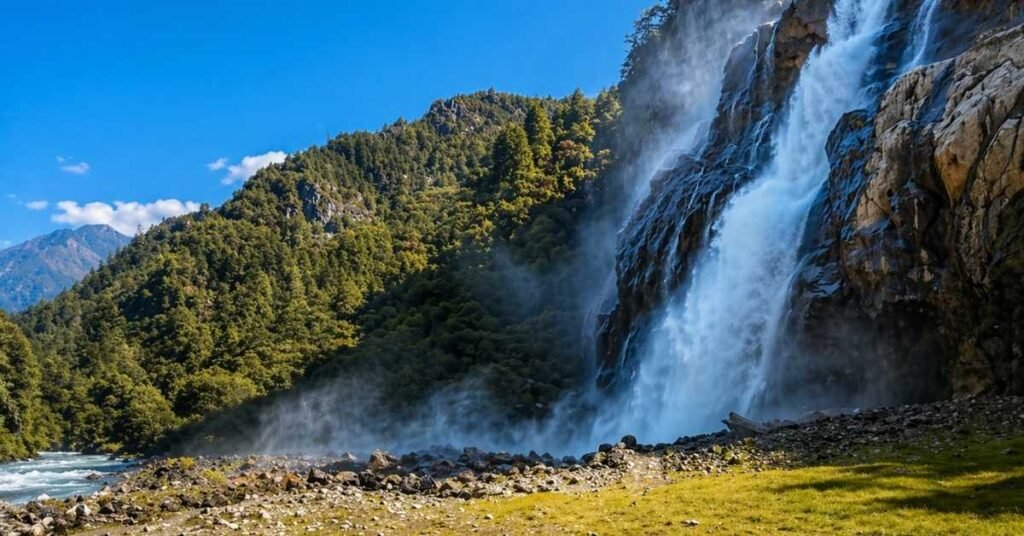
Nuranang looks different in every season. Each version of it is beautiful in its own way, but not every season is equally safe or accessible for travel. Knowing the difference can save your trip.
Season-by-Season Breakdown
- Summer (March to June) This is the most popular and recommended window for visiting Nuranang. The weather is pleasant, roads are generally clear, and the waterfall has a strong, steady flow from snowmelt off Sela Pass. Skies are often clear, making photography ideal. If you want the full experience without weather stress, this is your window.
- Monsoon (July to September) The waterfall is at its absolute loudest and most powerful during monsoon. The volume of water is breathtaking. However, this season comes with serious cautions. Mountain roads in this region become prone to landslides, and the path down to the falls gets dangerously slippery. Road closures between Sela Pass and Tawang are not uncommon. Travel only if you are comfortable with unpredictable conditions and always check local road updates before heading out.
- Autumn (October to November) A sweet spot that many travellers overlook. The rains have eased, skies are clearer, and the waterfall still carries a decent flow. Roads are more stable compared to monsoon season. The surrounding landscape turns golden and crisp. This is genuinely one of the best times to visit if you want beauty without the monsoon risk.
- Winter (December to February) Nuranang in winter is a completely different sight. The waterfall partially freezes, creating dramatic ice formations around the rocks. It is stunning to look at. However, Sela Pass frequently gets heavy snowfall and can close without warning during these months. Road access to the Jang area becomes uncertain. Only experienced winter travellers should attempt this trip during peak winter, and always with a local guide or driver who knows the route well.
A Note on Sela Pass Road Conditions
Sela Pass stands at over 13,700 feet. Snow can appear here even in late autumn and early spring. Before you travel from Tawang towards Jang and Nuranang, always check whether Sela Pass is open. Local guesthouses in Tawang usually have the most current road updates. Do not rely solely on weather apps for high-altitude mountain passes.
Quick Recommendation
If this is your first visit and you want the safest, most rewarding experience, aim for April to June or October to November. Both windows give you a powerful waterfall, accessible roads, and clear skies without the extremes of monsoon chaos or winter snowfall.
Essential Travel Tips for a Smooth Visit
Nuranang is not a difficult destination, but a little preparation goes a long way. These tips come straight from the experience of travellers who have done this trip and wished they had known a few things beforehand.
What to Pack
- Waterproof jacket or raincoat: The mist from the waterfall reaches you well before you get close. Even on a sunny day, you will get wet near the base. A light raincoat or poncho is non-negotiable.
- Grippy shoes or trekking sandals: The path down to the falls has wet, mossy stones. Regular sneakers or flat-soled shoes will have you slipping around. Wear shoes with actual grip on the sole.
- Warm layers: Even in summer, the altitude means temperatures can drop quickly, especially in the morning and evening. Carry a fleece or light jacket regardless of the season.
- A dry bag or ziplock pouches: Protect your phone, camera, and documents from the mist and unexpected rain. A small waterproof pouch costs almost nothing and saves a lot of headaches.
- Cash: There are no ATMs near Jang or the waterfall area. Carry enough cash from Tawang before you leave.
- Printed ILP copy: Always carry a physical copy of your Inner Line Permit. Digital copies sometimes fail at remote checkposts with poor network coverage.
Food and Chai Near the Falls
Do not worry about going hungry. There are small stalls near the parking area selling hot Maggi, chai, and basic snacks. After the walk back up from the falls, a hot cup of chai with a bowl of Maggi honestly feels like the best meal of your life.
Do not expect a full restaurant or menu. This is a remote mountain location. Eat a proper meal in Tawang or Jang before you head to the falls, and treat the stalls as a bonus pit stop.
Photography Tips
- Visit in the morning for the best natural light. The afternoon can get hazy and the sun angle becomes less flattering for waterfall shots.
- Use portrait mode or a wide-angle lens to capture the full 100-meter drop. Standard shots often fail to show the true scale.
- If your phone or camera has a slow shutter or long exposure mode, use it. It turns the falling water into a silky white ribbon and makes the photo look genuinely stunning.
- Shoot from the base, not just the top. The view looking up at the waterfall with the valley and sky behind it is far more dramatic than the top-down angle.
- Be patient with mist on your lens. Wipe it frequently. Some of the best shots come when a light mist is in the air, giving the photo a moody, cinematic feel.
One Last Tip
Start your drive from Tawang early in the morning. Mountain roads are clearest and safest in the first half of the day. Afternoons can bring clouds, reduced visibility, and unpredictable weather changes at altitude.
Top Places to See Near Nuranang Waterfall
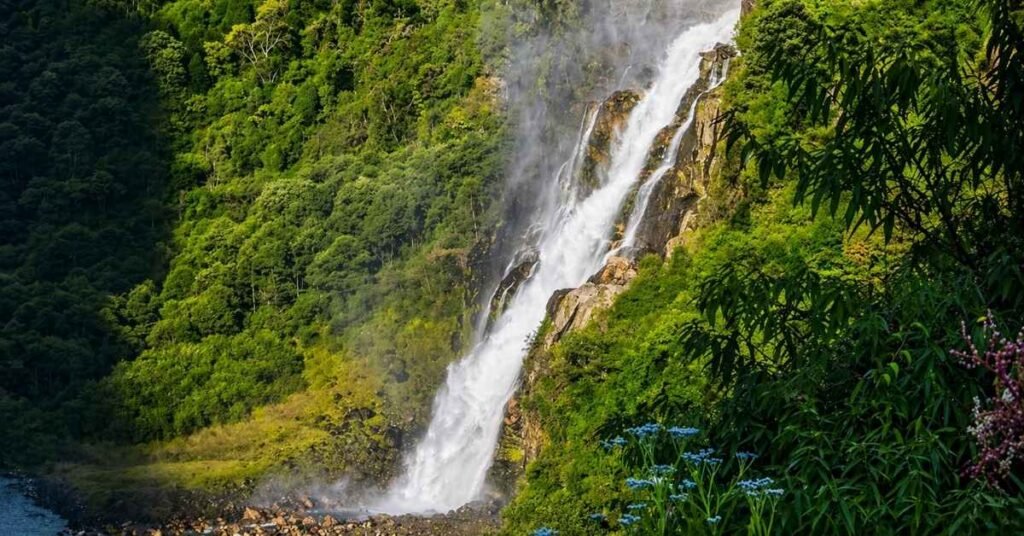
Your trip to this waterfall is just the start of a much bigger adventure. Since the falls are located on the main road to Tawang, you are surrounded by some of the most beautiful and historic spots in India. Exploring these nearby places will help you understand the culture and the brave spirit of Arunachal Pradesh much better.
Jaswant Garh War Memorial
Just about 21 kilometers away from the waterfall, you will find the Jaswant Garh War Memorial. This place is not just a monument; it is a story of extreme bravery. It is built to honor Rifleman Jaswant Singh Rawat, who fought heroically during the 1962 war.
This is where the story of the waterfall connects. Legend says that the local girl, Nura, helped Jaswant Singh during the battle. Today, the Indian Army maintains this memorial with great respect. Visitors often stop here to pay their respects and enjoy the free tea and snacks served by the soldiers. It is a peaceful spot that will make you feel proud of the Indian Army.
Sela Pass and Sela Lake
You cannot visit this region without crossing the mighty Sela Pass. Sitting at an altitude of about 13,700 feet, it acts as the high-altitude gateway to Tawang. Even in the summer, you can often find patches of snow here.
Right at the top of the pass is the stunning Sela Lake, also known as Paradise Lake. The water is crystal clear and often remains frozen during the peak of winter. The prayer flags fluttering in the wind against the backdrop of snow-capped mountains make it a perfect spot for photos. It is one of the highest motorable mountain passes in the world.
Madhuri Lake (Shonga-tser Lake)
If you loved the Bollywood connection of Nuranang Falls, you must visit Shonga-tser Lake. It became famous as “Madhuri Lake” after the actress Madhuri Dixit filmed a song here for the movie Koyla.
The lake was formed after a massive earthquake in 1950. What makes it unique are the dead tree trunks that still stand upright in the middle of the water. Surrounded by blue mountains and clouds, the view is unlike anything else in the country. It is a bit further away from Jang, but the drive is worth every minute for the scenic beauty.
Conclusion: Why You Should Not Skip Nuranang Waterfall
Nuranang Waterfall is much more than just a wall of falling water. It is a place where nature’s beauty meets a powerful story of bravery. Whether you are a fan of Bollywood history, a photography lover, or someone who simply wants to see the raw power of the mountains, this waterfall will not disappoint you. It is the perfect spot to take a break on your long road trip to Tawang. Just remember to carry your camera and a light raincoat, as the mist from the falls can get you wet even from a distance. Visiting this place is a memory you will cherish forever.
Frequently Asked Questions (FAQs)
Where is Nuranang Waterfall located?
Nuranang Waterfall is located in the Tawang district of Arunachal Pradesh, India. It is situated near a small town called Jang, which is about 40 kilometers before you reach the main Tawang city.
Is there an entry fee for Nuranang Waterfall?
No, there is currently no entry fee to visit Nuranang Waterfall. Visitors can enjoy the view and trek down to the base of the falls for free. However, you must have a valid Inner Line Permit (ILP) to enter the state.
Why is Nuranang Waterfall also called Jang Falls?
It is commonly called Jang Falls because it is located very close to the town of Jang. Locally, it is also known as Bong Bong Falls because of the loud, thundering sound the water makes when it hits the rocks.
Which Bollywood movie was shot at Nuranang Waterfall?
The famous 1997 Bollywood movie Koyla, starring Shah Rukh Khan and Madhuri Dixit, was shot at Nuranang Waterfall. Specifically, parts of the song “Tanhai Tanhai” were filmed right here at the base of the falls.
Who was Nura after whom the waterfall is named?
Nura was a local Monpa girl who famously helped the Indian Army during the 1962 war. Legend says she assisted Rifleman Jaswant Singh Rawat in fighting against enemy forces. The waterfall was named “Nuranang” in her honor.
Can I visit Nuranang Waterfall in winter?
Yes, you can visit in winter, but it gets very cold. While the waterfall itself usually flows year-round, the road at Sela Pass may sometimes close due to heavy snow. The best time for a clear visit is between April and October.