

The best time to visit Kabini is from October to May. For the highest chance of wildlife sightings, including elephants and the famous Black Panther, plan your trip between March and May.
Kabini is one of India’s best wildlife destinations. It sits in the southern part of Nagarhole National Park in Karnataka, about 200 km from Bangalore.
People come here hoping to spot the melanistic leopard, known locally as “Saya.” There are also large herds of elephants, tigers, deer, and more. The Kabini River runs through the area, making every safari feel like a scene from a nature documentary.
But the season you choose makes a huge difference in what you actually see.
This guide covers the best time to visit Kabini season by season, what wildlife to expect, safari options, and booking tips.
Kabini Weather and Seasons: What to Expect
Kabini weather changes a lot through the year. Each season gives you a different experience inside Nagarhole National Park. Here is a breakdown to help you plan.
| Season | Months | Weather | Best For |
| Summer | March to May | Hot and dry | Tiger, leopard, elephant sightings |
| Monsoon | June to October | Wet and humid | Lush scenery, boat safaris |
| Winter | November to February | Cool and pleasant | Bird watching, comfortable safaris |
Summer (March to May): Best Season for Wildlife
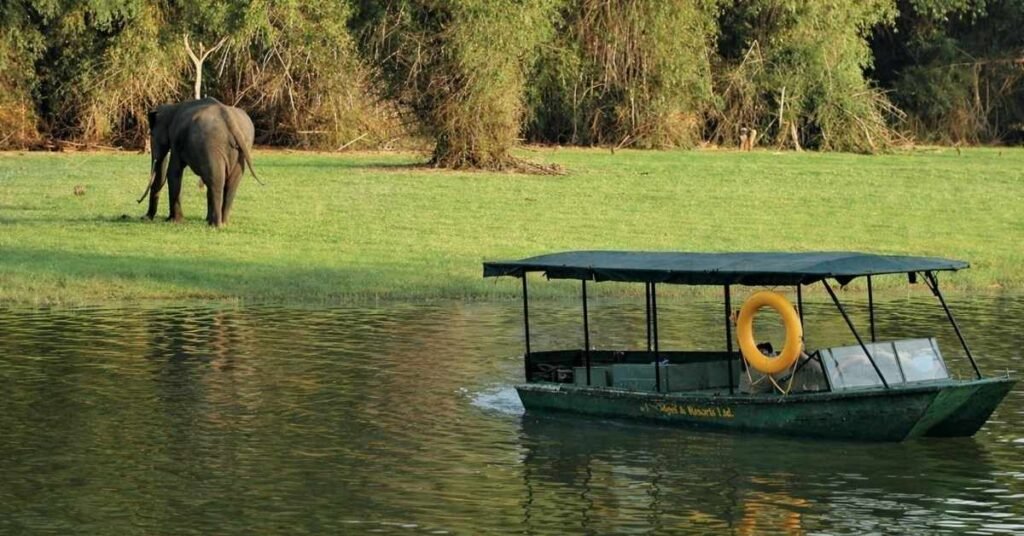
This is the best time to visit Kabini for serious wildlife lovers. The heat dries up most water sources inside the forest. Animals are forced to gather near the Kabini River, making sightings almost certain.
Pros:
- Highest chance of spotting tigers, leopards, and elephants
- Best time to look for the Black Panther “Saya”
- Open grasslands make visibility much easier
- Large elephant herds gather near the water
Cons:
- Temperatures can cross 35°C to 38°C
- Uncomfortable during afternoon hours
- Book safaris and stays well in advance
Tip: Early morning jeep safaris in April and May offer the best wildlife action. Carry water and light cotton clothes.
Monsoon (June to October): Green but Tricky
The forest transforms completely during the monsoon. Nagarhole National Park turns a deep, lush green. The Kabini River fills up and boat safaris become a highlight.
However, heavy rain can make jeep safaris unpredictable. Animal sightings drop because the thick vegetation gives wildlife more places to hide.
Pros:
- Stunning green landscapes, great for photography
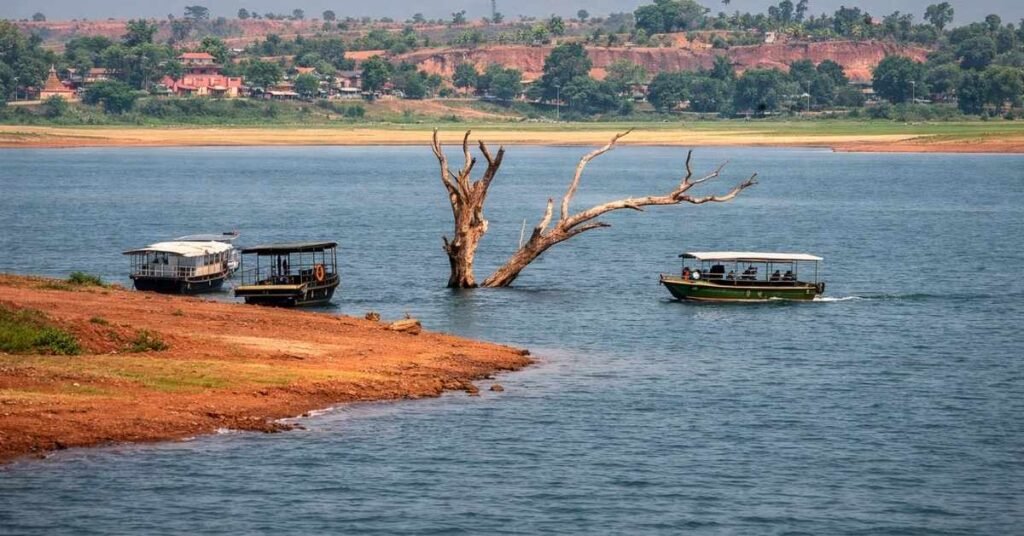
- Boat safaris along the Kabini River are very scenic
- Fewer tourists, lower prices on stays
- Migratory birds start arriving by September and October
Cons:
- Jeep safaris can get cancelled due to waterlogged forest roads
- Lower chances of spotting big cats
- Parts of the park may close during heavy rain
Tip: If you visit between September and October, the rain eases up. Wildlife sightings improve and the forest still looks beautiful.
Winter (November to February): Pleasant and Peaceful
Kabini weather in winter is the most comfortable for travel. Mornings are cool and misty. The forest feels calm and the light is perfect for photography.
Pros:
- Comfortable temperatures between 15°C and 28°C
- Excellent bird watching, especially near the backwaters
- Misty mornings add to the atmosphere
- Good elephant and deer sightings
Cons:
- Dense foliage still makes big cat sightings harder than summer
- Some migratory birds start leaving by February
Tip: December and January are peak tourist months. Book your stay at Kabini River Lodge or other resorts at least 4 to 6 weeks in advance.
Wildlife in Kabini: What to Spot and When
Kabini is one of the few places in India where you can spot a melanistic leopard, also called a Black Panther. The one famously seen here is known as “Saya.” Spotting Saya depends entirely on luck, but summer gives you the best odds.
In summer, the forest waterholes dry up. Animals have no choice but to come to the Kabini River for water. This is what makes March to May so special for wildlife watching.
Animals to look for and the best time to spot them:
| Animal | Best Time | Where to Look |
| Black Panther (Saya) | March to May | Deep forest zones |
| Tiger | March to May | Near river and grasslands |
| Leopard | March to May | Tree lines and rocky areas |
| Asiatic Elephant | Year-round | Near Kabini backwaters |
| Gaur (Indian Bison) | October to May | Open grasslands |
| Migratory Birds | October to February | Kabini backwaters |
Wildlife sightings are never guaranteed. No one can promise you a tiger or a Black Panther. But summer stacks the odds in your favour more than any other season.
How to Book a Kabini Safari: What You Need to Know
This is where most first-time visitors get confused. Here is how Kabini safari booking actually works.
Who Controls the Safaris?
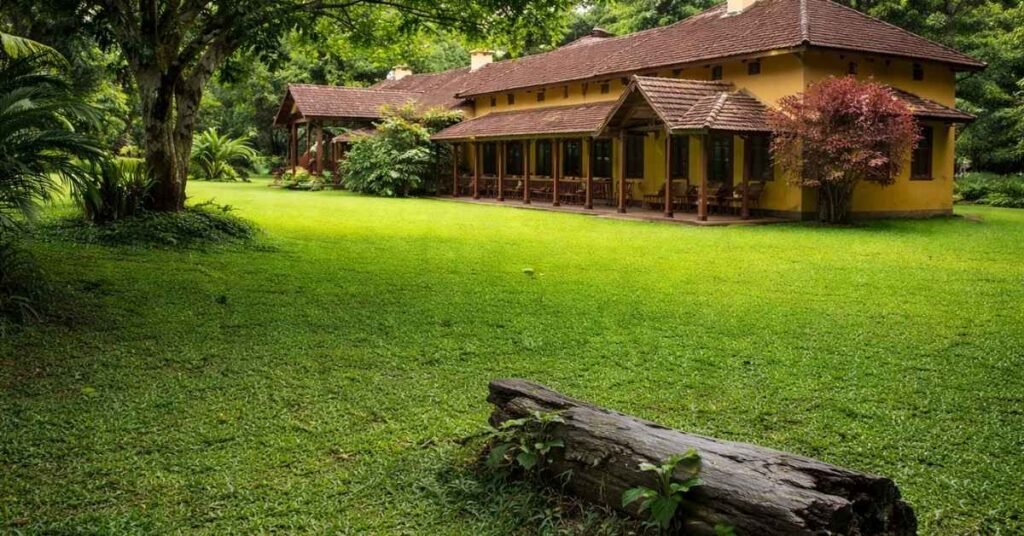
Jungle Lodges and Resorts (JLR), owned by the Karnataka Government, controls most of the jeep safari zones inside Nagarhole National Park. If you stay at their property, the Kabini River Lodge, safari access is much easier and usually included or available at a lower cost.
If you stay at a private luxury resort like The Serai Kabini or Evolve Back, Kabini, the resort arranges the safari on your behalf through JLR or the Forest Department. It is convenient, but expect to pay extra for it.
Jeep Safari vs Boat Safari
Jeep Safari
- Best for spotting tigers, leopards, and the Black Panther
- Goes deep into the forest zones of Nagarhole
- Two slots daily: early morning and late afternoon
- Higher chance of big cat sightings, especially in summer
Boat Safari
- Best for elephants, crocodiles, and birds
- Runs along the Kabini backwaters
- Peaceful and great for photography
- Very popular during monsoon when the river is full
How to Book
Option 1: Stay at Kabini River Lodge (JLR)
- Book directly at junglelodges.com
- Safari slots are easier to get as a resident guest
- Most budget-friendly official option
Option 2: Stay at a Luxury Resort
- Book your stay at The Serai Kabini or Evolve Back
- Ask the resort to arrange safari slots at the time of booking
- Do not wait until you arrive
Option 3: Day Visit
- You can book a safari without staying overnight
- Slots are limited and fill up fast, especially in summer
- Book online through the Karnataka Forest Department portal in advance
Important: Kabini safari slots are limited. During peak season (March to May and December to January), slots get full weeks in advance. Always book early.
How to Reach Kabini
Kabini is about 220 km from Bangalore. The drive takes roughly 5 hours depending on traffic. It is the most convenient way to get there.
By Road: Take the Mysore highway from Bangalore. From Mysore, it is another 80 km to Kabini. Most resorts offer pickup from Mysore if needed.
By Train: The nearest major railway station is Mysore Junction, about 80 km from Kabini. From Mysore, hire a cab or take a bus to reach the forest area.
By Air: The nearest airport is Mysore Airport, though most travellers fly into Bangalore and drive down.
Final Verdict: When Should You Visit Kabini?
If you want the best wildlife experience, go between March and May. Yes, it is hot. But the dry forest and empty waterholes push animals to the river. Your chances of seeing elephants, tigers, leopards, and even the Black Panther are at their highest.
For comfortable weather with decent sightings, November to February works well. Avoid peak monsoon if big cat sightings are your priority.
Book your safari and stay at least 2 to 3 months in advance for summer visits.
FAQS
Is Kabini open during monsoon?
Yes, Kabini remains open during most of the monsoon. However, jeep safaris can get cancelled during heavy rain. Boat safaris usually continue.
Can I take my own car inside the Kabini forest for a safari?
No. Private vehicles are not allowed inside the forest zone. You must book an authorised jeep through JLR or the Forest Department.
Is the Black Panther still spotted in Kabini?
Sightings of the melanistic leopard have been reported in Kabini over the years. Spotting one depends on luck, but summer gives the best conditions for a sighting.