

The best time to visit Dehradun is from March to June. The weather stays pleasant, roads are clear, and all major attractions are open. October to November is a solid second option for those who prefer cooler, quieter trips.
Dehradun sits in a valley at just 435 metres above sea level. It is not a snowy hill station. Think wide roads, tree-lined cantonments, and a relaxed small-city pace.
Unlike Mussoorie (which sits above it), Dehradun itself rarely sees snow. What it offers instead is year-round accessibility, with each season bringing a different experience.
Knowing the best time to visit Dehradun can save you from a rained-out trip or an unnecessarily sweaty one. This guide breaks it all down by season and month.
Dehradun Weather: Season by Season
| Season | Months | Temperature | Vibe |
| Summer | March to June | 17°C to 35°C | Peak season, best sightseeing |
| Monsoon | July to September | 25°C to 35°C | Lush but risky, roads can close |
| Winter | October to February | 3°C to 22°C | Cool and quiet, no snow in city |
Summer (March to June): Peak Season

This is the best time to visit Dehradun, full stop. The weather is warm but manageable, and every attraction including Robber’s Cave (Gucchupani) is open and accessible.
Temperatures range from 17°C to 35°C. Carry light cottons and sunscreen if you are visiting in May or June.
Monsoon (July to September): Beautiful but Risky

Dehradun turns intensely green during the monsoon. The hills look stunning, and if you enjoy rain, the city itself is not a bad place to be.
The problem is road travel. Heavy rainfall causes landslides on the Dehradun to Mussoorie highway, and trips can get cancelled or delayed without warning. Humidity stays high, often making it feel hotter than it actually is.
Winter (October to February): Cool, Quiet, and Often Misunderstood

Here is a myth worth clearing up: Dehradun does not get snowfall. It sits in a valley, and at 435 metres, temperatures simply do not drop low enough.
If you want snow, head 35 km uphill to Mussoorie. Dehradun in winter means cool mornings, light woolens, and far fewer tourists, which some travellers actively prefer.
Which Month Should You Pick?
If you want the safest bet, these four months are your best options:
- March: The city shakes off winter cold. Temperatures are comfortable, skies are clear, and everything is open. Great for families and first-time visitors.
- April: Widely considered the sweet spot. Weather is warm but not punishing, waterfalls at Sahastradhara are flowing well, and hotel rates are still reasonable before the peak rush.
- October: Monsoon has just ended. The greenery from the rains is still visible, roads are clear again, and the air feels fresh. Rajaji National Park also reopens around this time.
- November: One of the quietest months to visit. Temperatures start dropping pleasantly, crowds thin out, and you get Dehradun largely to yourself.
Avoid May and June if you are sensitive to heat. Avoid July to September if you have road trips to Mussoorie on your itinerary.
The clearest skies, the least risk, and the most things to do all line up in these four months.
Where to Go When the Weather is Right
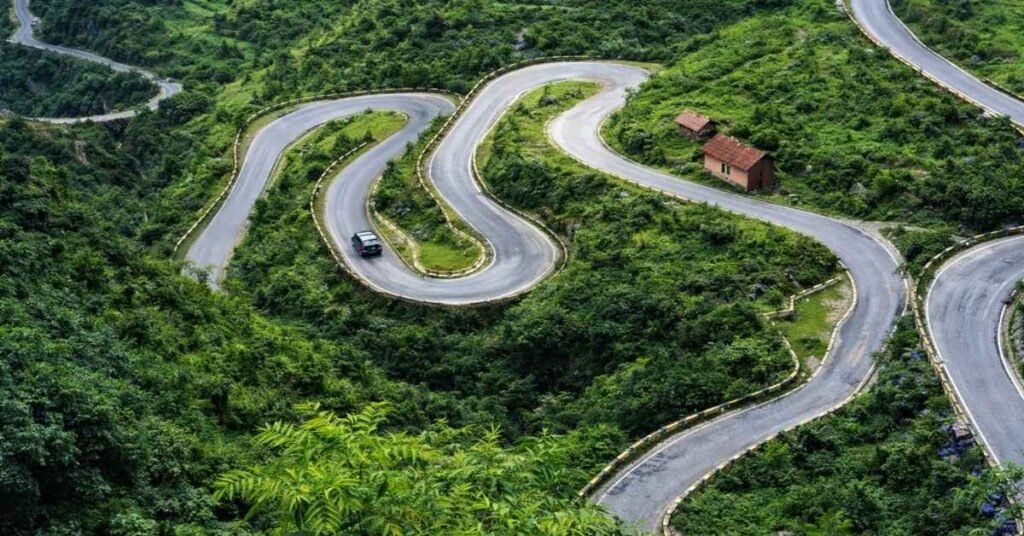
The best attractions in Dehradun are easy to enjoy when the weather cooperates. Here is what to put on your list:
Robber’s Cave (Gucchupani)
This is a natural river cave where a stream runs right through the rocks. It is the go-to spot for beating the summer heat, and best visited between March and June when the water levels are just right.
Sahastradhara
Sahastradhara is known for its natural sulphur springs and a ropeway with views of the surrounding hills. The springs are said to have medicinal properties, and the site is popular with both locals and tourists. Check the full list of attractions at uttarakhandtourism.gov.in before planning your day.
Forest Research Institute (FRI)
FRI is one of the most beautiful colonial-era buildings in North India. The sprawling campus and grand architecture make it a favourite for photography. Several Bollywood films have been shot here over the years.
Rajaji National Park
This wildlife sanctuary is open from November to June. You can spot elephants, leopards, and over 300 bird species on a safari here. Do not plan a monsoon visit since the park closes completely during July to October.
Kalsang Friends Corner
No visit to Dehradun is complete without a meal here. Kalsang on Rajpur Road is a local favourite for Tibetan food, especially momos and thukpa. It gets busy during peak season, so go early or expect a short wait.
Travel Tips Before You Pack
How many days do you need? Two to three days is enough to cover Dehradun’s main spots comfortably. Most travellers use it as a base before heading to Rishikesh (1.5 hours away) or Landour (just above Mussoorie).
Traffic has gotten worse Dehradun is no longer the sleepy town it used to be. The city has grown fast, and traffic near Paltan Bazaar and Rajpur Road can slow you down significantly, especially on weekends and during peak season. Keep extra time in your schedule for getting around.
What to pack by season
- March to June: Light cottons, sunscreen, sunglasses, and a reusable water bottle. Evenings can be breezy so carry one light layer.
- July to September: A good raincoat is non-negotiable. Waterproof shoes help too. Avoid open sandals if you plan to walk through Robber’s Cave during this period.
- October to February: Heavy woolens for January and February. A medium jacket works fine for October and November when it is cool but not freezing.
One last practical note Book hotels in advance if you are visiting in April, May, or during Diwali week. Prices go up and good mid-range options fill up fast.
Final Thoughts
March to June and October to November are the windows that give you the best of Dehradun without the risk of rain-washed plans or extreme heat. Pick your month based on what you want out of the trip, pack right, and the city will deliver.
Frequently Asked Questions
Is it safe to visit Dehradun in July and August?
It is not the ideal time. Heavy rainfall increases the risk of landslides, particularly on roads leading to Mussoorie. Dehradun city itself is manageable, but road travel to nearby hill spots becomes unpredictable.
Does Dehradun get snowfall?
No. Dehradun sits in a valley at 435 metres and does not receive snow. If snowfall is on your wishlist, head up to Mussoorie which is about 35 km away and sits at a much higher elevation.
How many days do I need for Dehradun?
Two to three days is the right amount for most travellers. That gives you time to cover the main attractions and still leave with energy for the next stop on your trip.