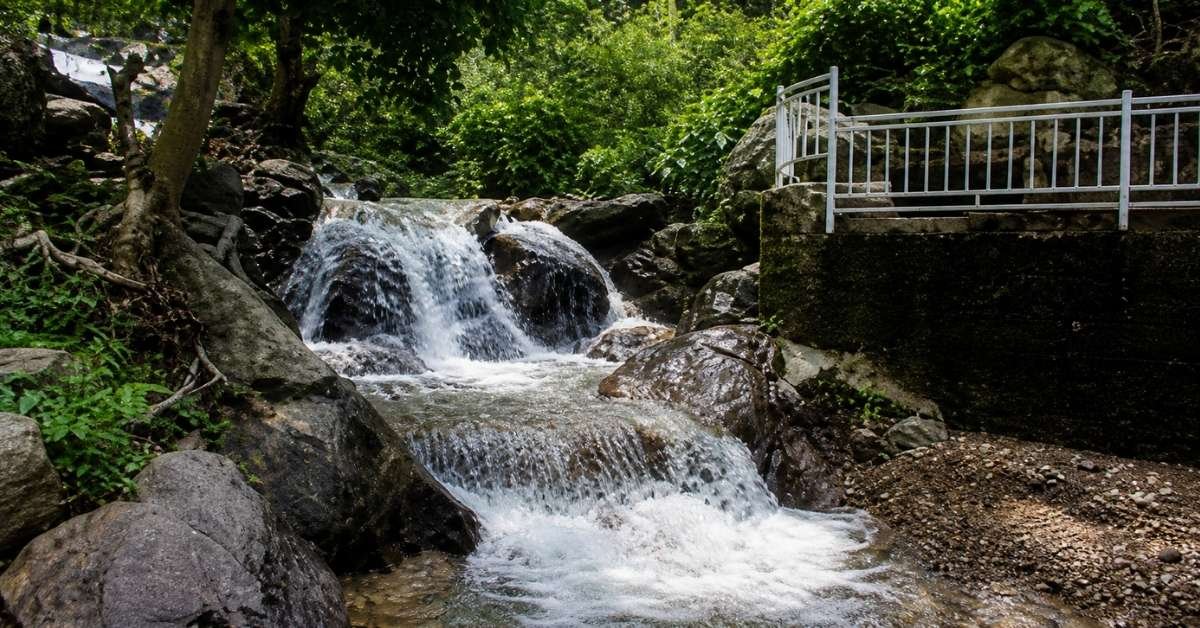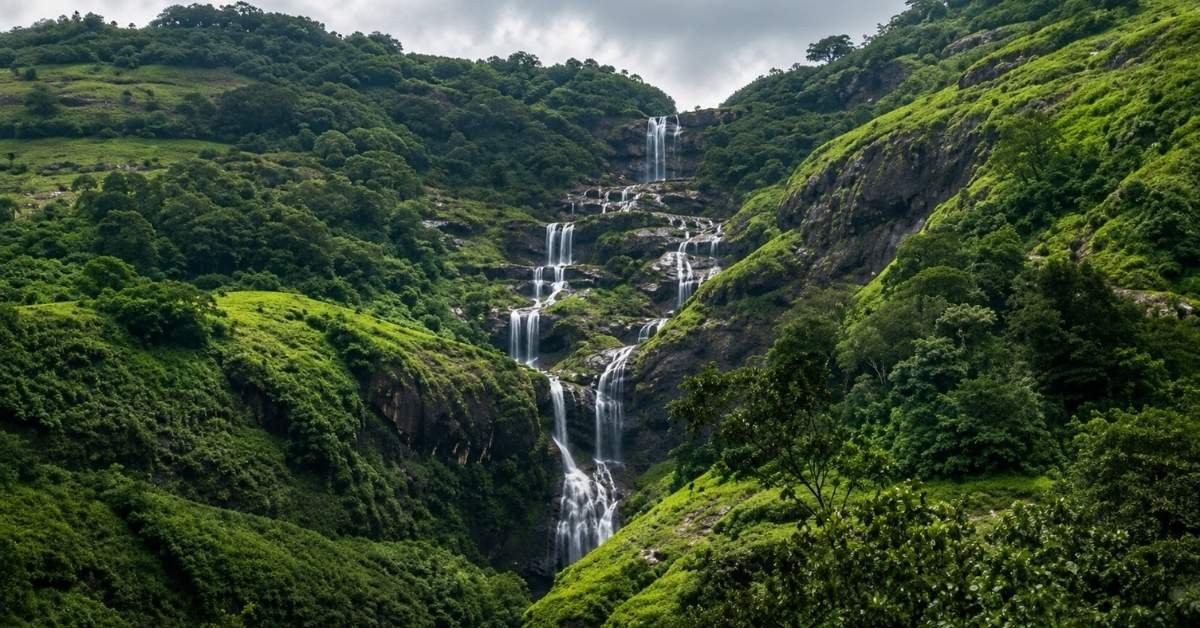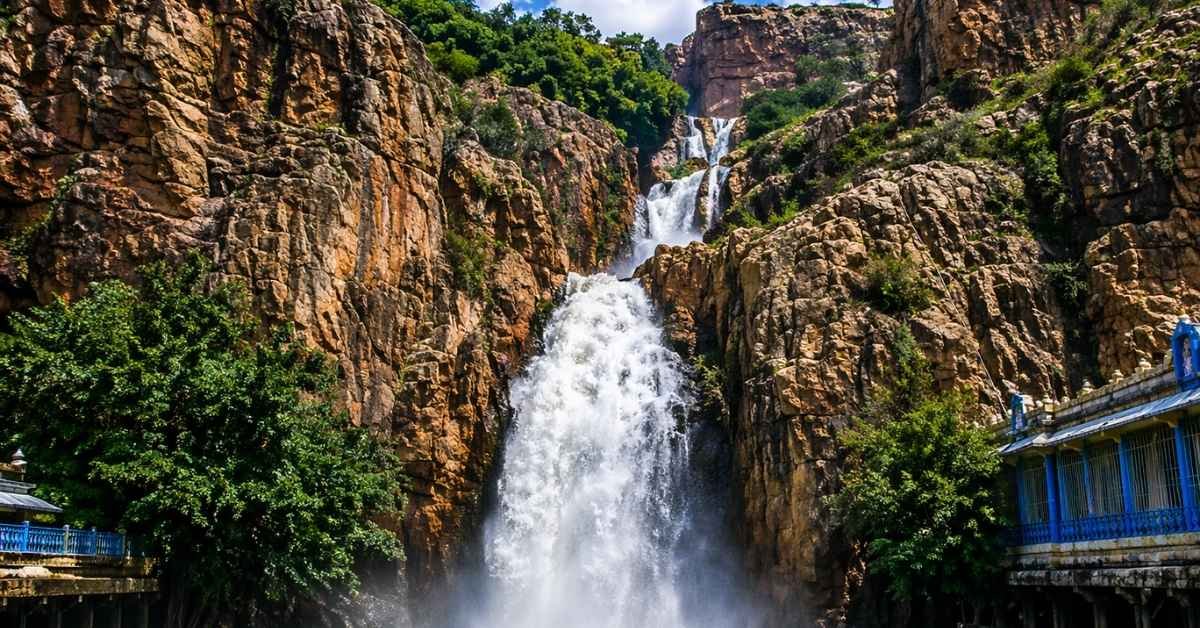
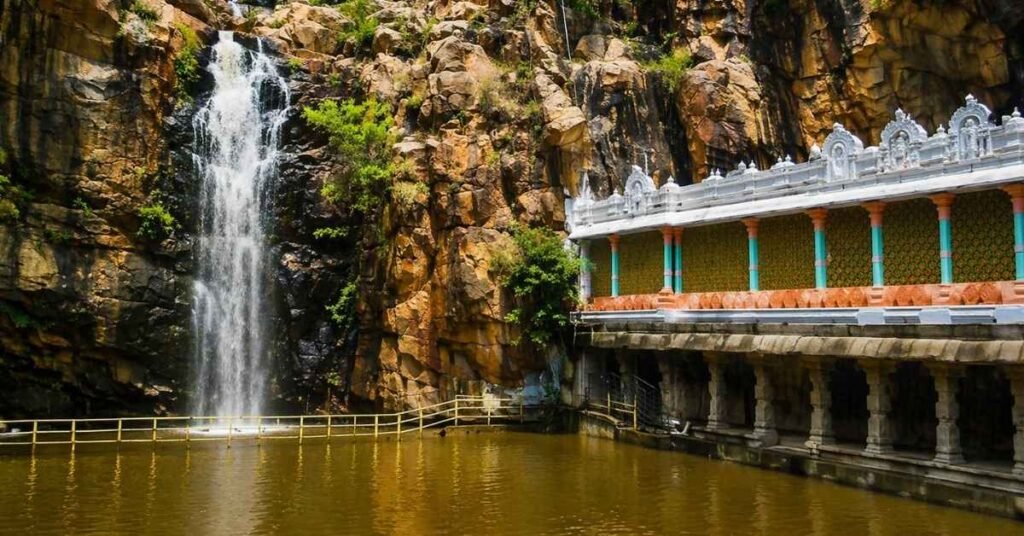
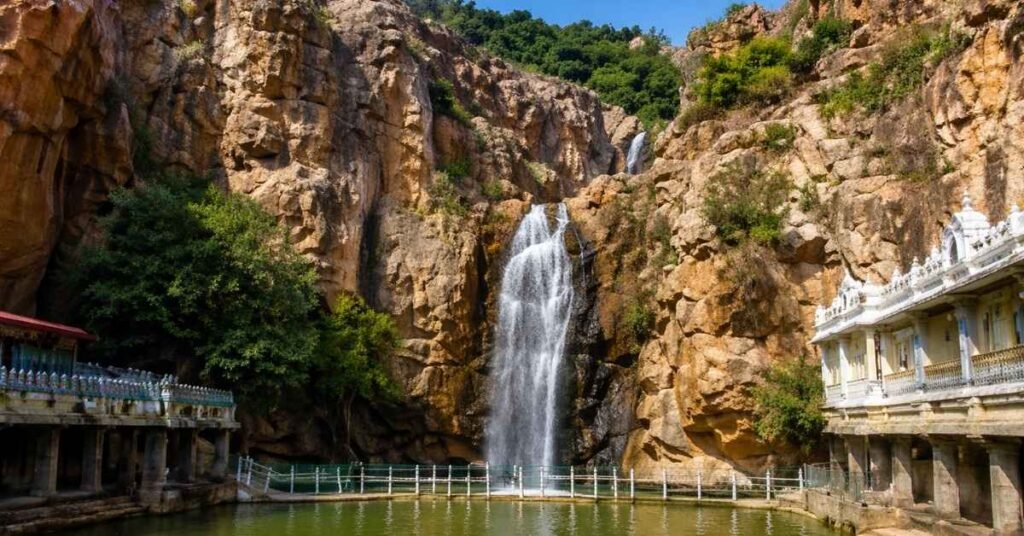
Kapila Theertham waterfall is at the base of the Seshachalam Hills, Tirupati. It drops 100 feet into a sacred pond inside Kapileswara Swamy Temple. Visit between November and February for full water flow. The temple is dedicated to Lord Shiva.
Tirupati is Vishnu’s territory. Every hill, every shrine, every chant here points to Lord Venkateswara. So when a temple dedicated to Lord Shiva stands at the foot of the same sacred hills, drawing thousands of devotees, it stops you in your tracks.
This is not a coincidence. This is ancient geography meeting divine legend.
Kapileswara Swamy Temple is the only major Shiva temple in a city overflowing with Vishnu devotion. The waterfall that crashes 100 feet from the Seshachalam Hills directly into its pond is not a tourist feature. It is a ritual. It is the reason this place holds a completely different spiritual weight in Tirupati.
The Reality Check: Does the Waterfall Actually Have Water?
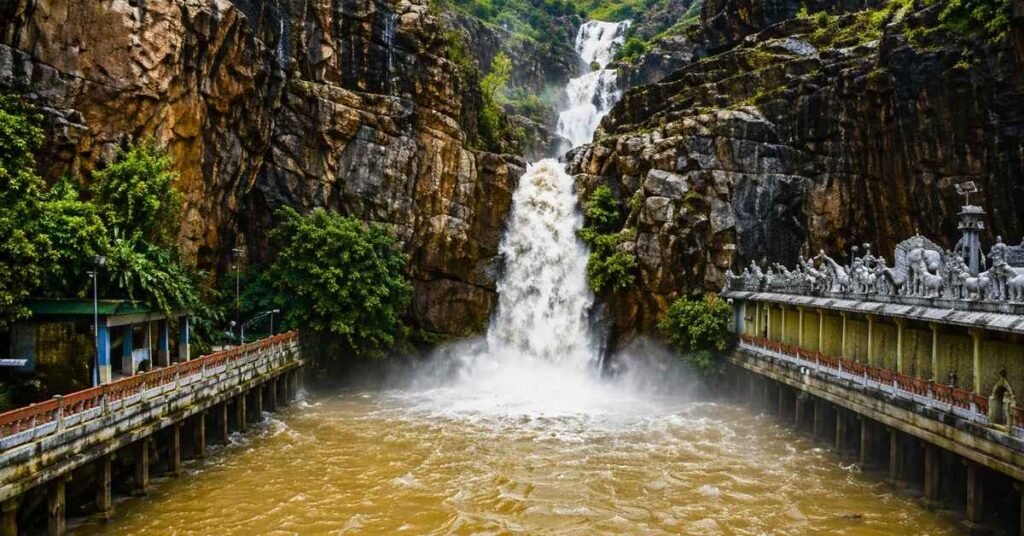
This is the first question every first-time visitor asks after they arrive and find a trickle instead of a cascade. The answer depends entirely on when you show up.
The waterfall at Kapila Theertham is fed by rainwater collected in the Seshachalam Hills. There is no underground spring or man-made source keeping it alive year-round. When the hills receive heavy monsoon rain, the water rushes down and drops 100 feet into the temple’s sacred pond (Sarovaram) with full force. When the rain stops and summer heat sets in, the flow slows to almost nothing.
The waterfall is not a guarantee. It is a seasonal reward.
Visiting between November and February gives you the best chance of seeing it at full power. The post-monsoon months keep the hillside saturated, which means the water keeps flowing even after the rains are gone. By March, the flow starts weakening. From April through June, most visitors find the waterfall completely dry.
| Season | Water Level | Crowd Level |
| November to February | High, full flow | Moderate to High |
| March to April | Reducing, partial flow | Moderate |
| May to June | Very low or dry | Low |
| July to October | Monsoon active, unpredictable | Low to Moderate |
Plan your visit for November to February. You get the waterfall at its most powerful, cooler temperatures for comfortable darshan, and a complete experience of what Kapila Theertham is actually meant to feel like.
Planning a Road Trip in India?
Stop guessing! Calculate your exact fuel cost for Petrol, Diesel, CNG, or EV trips instantly.
🚗 Calculate Fuel Cost NowReaching the Base of Tirumala Hills: Distance & Transport
Kapila Theertham sits just 3 to 4 km from both Tirupati Railway Station and APSRTC Central Bus Station. In a city where Tirumala darshan queues stretch for hours, reaching this temple is refreshingly simple.
From Tirupati Railway Station
Step out of the station and you will find auto-rickshaws available immediately at the prepaid stand. The ride to Kapileswara Swamy Temple takes roughly 10 to 15 minutes depending on traffic. Agree on the fare before boarding if using a non-prepaid auto. The roads are well-marked and any local driver knows this temple by name.
From APSRTC Central Bus Station
The distance is equally short at 3 to 4 km. Auto-rickshaws are the most practical option from here as well. City buses also run toward the Kapila Theertham direction, but for families with elderly members or young children, an auto-rickshaw is the smarter choice. It drops you directly at the temple entrance without any walking confusion.
Tips for Families and Elderly Visitors
- The road leading to the temple entrance is paved and manageable.
- The final stretch near the temple gate involves some uneven stone ground, so wear flat, grippy footwear.
- Wheelchairs are not widely available at the site, so plan accordingly for mobility-limited visitors.
- Mornings are cooler and less crowded, making them ideal for older travelers.
For broader Tirupati travel planning, AP Tourism’s official portal is a reliable starting point for route and accommodation information.
Kapileswara Swamy Temple: Timings, Entry, & Bathing Rules
Kapileswara Swamy Temple is open to all visitors free of charge. There is no entry ticket, no special darshan fee, and no prior booking required. This makes it one of the most accessible sacred sites in Tirupati, especially for pilgrims who have already spent significantly on Tirumala darshan arrangements.
Temple Timings
While exact timings can shift during festivals, the general daily schedule follows this pattern:
- Morning opening: 6:00 AM
- Afternoon break: 12:00 PM to 3:00 PM (temple closes during this period)
- Evening reopening: 3:00 PM
- Night closing: 8:00 PM
Arrive before 11:00 AM for a calm, unhurried darshan. The temple fills up quickly on weekends and festival days.
Bathing in the Sarovaram (Temple Pond)
The sacred pond at the base of the waterfall is a major draw for pilgrims. Taking a holy dip here is considered deeply auspicious. However, there are rules every visitor must follow:
- Bathing is permitted only in the designated sections of the Sarovaram.
- Entry into the waterfall area itself may be restricted depending on water flow intensity and safety conditions.
- Modest, traditional clothing is expected before entering the pond area.
- Carry a separate set of dry clothes. Entering the main temple sanctum in wet clothes is not permitted.
- Children must be accompanied by adults at all times near the pond.
Facilities for Pilgrims
- Basic changing rooms are available near the pond area for pilgrims who take a dip.
- Footwear stands are available at the temple entrance.
- Locker facilities are limited, so carry only essentials.
- Drinking water points are accessible within the temple complex.
For verified and updated pooja timings, checking the official TTD website before your visit is strongly recommended.
The Legend of Alwar Theertham: A Spiritual Deep Dive
Kapila Theertham carries two names, and both matter. Most pilgrims know it as Kapila Theertham. But locals and devout Vaishnavites often call it Alwar Theertham. Understanding why reveals a layered spiritual story that goes far deeper than a waterfall.
Why Is It Called Alwar Theertham?
The Alwars were Tamil Vaishnava poet-saints who travelled across South India composing devotional hymns in praise of Lord Vishnu. The connection of this Shaivite site to the Alwar tradition speaks to the extraordinary religious harmony embedded in this landscape. The sacred water body here was venerated by these saints, which gave it the name Alwar Theertham over generations of pilgrimage and oral tradition.
This is rare. A Shiva temple carrying the spiritual imprint of Vaishnava saints. It reflects how Tirupati, as a sacred geography, transcended sectarian boundaries long before modern pilgrimage culture existed.
The Mythology of Lord Shiva at This Spot
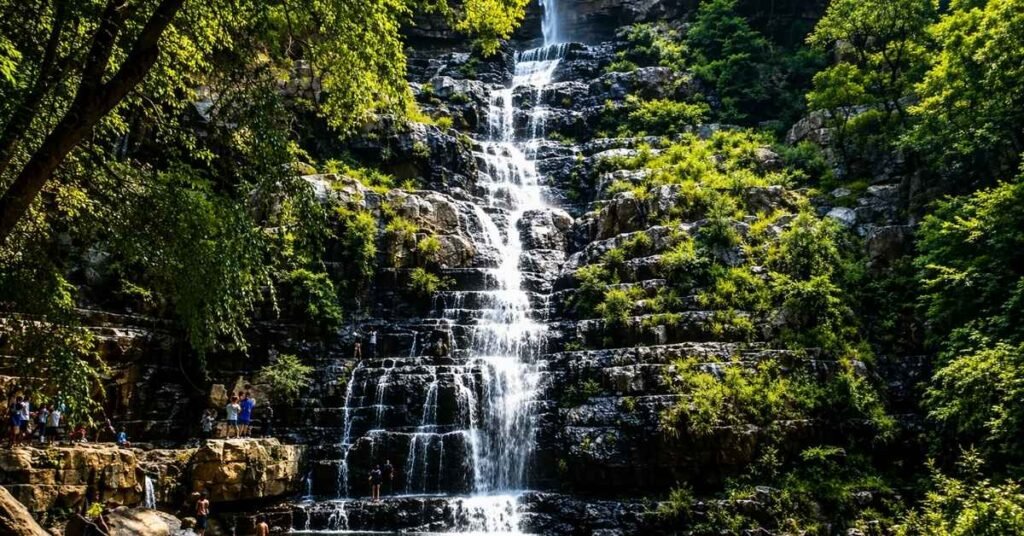
Ancient texts and local temple tradition hold that the sage Kapila performed intense penance at this precise location, at the foot of the Tirumala Hills. Lord Shiva, pleased by this devotion, is believed to have manifested here. The waterfall cascading from the Seshachalam Hills is considered not merely a natural phenomenon but a physical expression of divine grace flowing from the hills above.
The temple pond, the Sarovaram, is believed to carry the same sanctity as major pilgrimage rivers. Bathing in it is not treated as optional by devout pilgrims. It is a spiritual preparation.
Bathing Here Before Tirumala: The Ritual Logic
Many devout pilgrims follow a specific sequence. They bathe in the Sarovaram at Kapileswara Swamy Temple first, seek Lord Shiva’s blessings, and then climb to Tirumala for Lord Venkateswara’s darshan. The belief is that approaching Vishnu after receiving Shiva’s grace completes a sacred circuit.
This practice reflects a theology of wholeness rather than rivalry between traditions.
For deeper context on Tirupati’s sacred sites and their spiritual significance, the official TTD website carries authoritative information across its heritage documentation.
Frequently Asked Questions (FAQs)
Is Kapila Theertham and Kapileswara Swamy Temple the same?
Yes. Kapila Theertham is the name of the sacred waterfall and the overall pilgrimage site. Kapileswara Swamy Temple is the name of the Shiva temple within that complex. Most people use both names interchangeably when referring to the same destination.
How much time is required to visit?
A comfortable visit takes between 1.5 to 2 hours. This includes darshan at the temple, time near the Sarovaram, and a holy dip if you plan one. During peak season when the waterfall flows fully, many pilgrims spend longer simply absorbing the atmosphere.
Are lockers available near the waterfall?
Locker facilities at the site are limited. Do not rely on them for valuables. Carry only what you need for darshan and leave expensive items secured at your hotel before visiting.
Is it safe for elderly pilgrims?
The main temple area is accessible and manageable for most elderly visitors. The ground near the pond and waterfall zone can be wet and uneven, so proper footwear is essential. Visiting during morning hours reduces heat-related discomfort significantly.
What is the best time of day to visit Kapila Theertham?
Early morning between 6:00 AM and 9:00 AM is ideal. The temple is less crowded, temperatures are cooler, and the atmosphere during morning prayers is especially peaceful.
Can you visit Kapila Theertham and Tirumala on the same day?
Yes, many pilgrims do both in one day. Visit Kapila Theertham early in the morning first, complete your darshan and holy dip, then proceed toward Tirumala. The 3 to 4 km distance from the railway station makes the logistics straightforward.
A Final Word Before You Go
Kapila Theertham waterfall is not a sightseeing checkbox. It is a living pilgrimage point that has drawn devoted visitors for centuries, long before Tirupati became one of India’s most visited temple towns.
In a city where Lord Vishnu commands every hilltop and horizon, this singular Shiva shrine at the foot of the Seshachalam Hills holds its ground with quiet authority. The waterfall, the sacred pond, the ancient legend of sage Kapila, and the dual identity as Alwar Theertham all come together to create something that no other spot in Tirupati replicates.
Come between November and February. Bathe in the Sarovaram. Take the blessings of Kapileswara Swamy. Then climb to Tirumala.
That is the complete Tirupati.